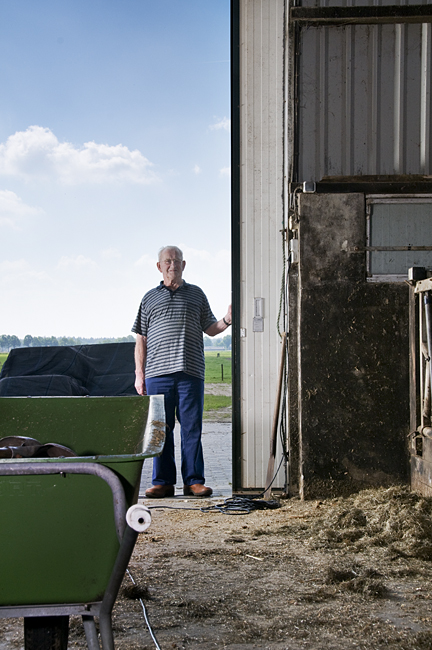
Capturing History

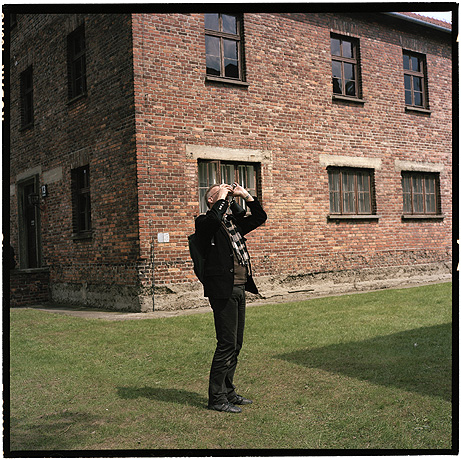
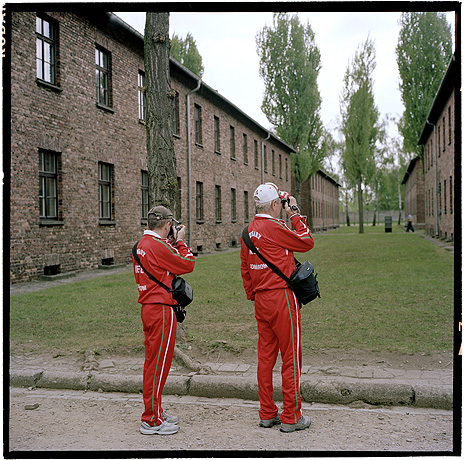
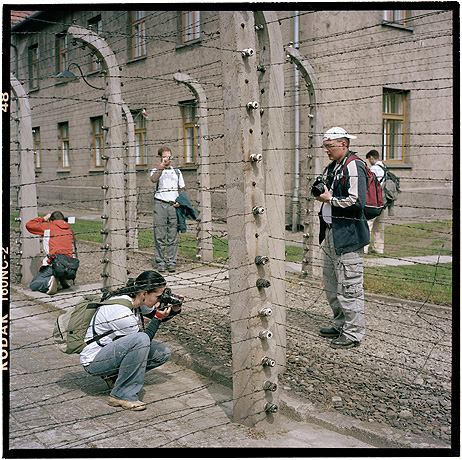
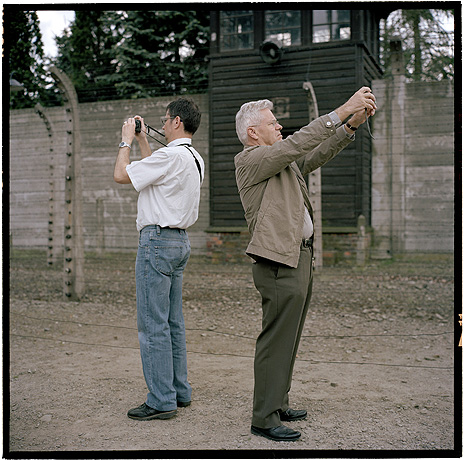
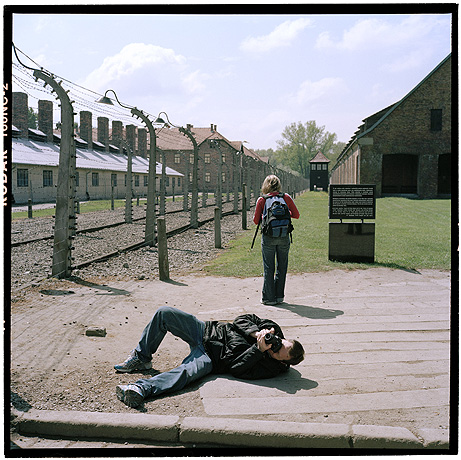
The UEFA Euro 2012 tournament is about to kick off. This time it takes place in Poland and Ukraine. Many squads visit different historic places before or during the tournament. One of the major ones: Auschwitz. One of the concentration camps where many people have lost their lives during World War II. And I think it’s a good thing to educate many people about this horrible chapter in our  history through their national squads.

Roger Cremers, Dutch photographer, made a remarkable photo series about the concentration camp and its visitors. The tourists of today. One might look at the photos and see some kind of joke or mass tourism as a contradiction on what has taken place at that very same location so many years ago. But Cremers doesn’t necessarily take a position on the reason for the visitors to be there. He merely shows the visitors and their way of trying to document and remember this place.

Roger Cremers’ website: www.rogercremers.nl
Read More

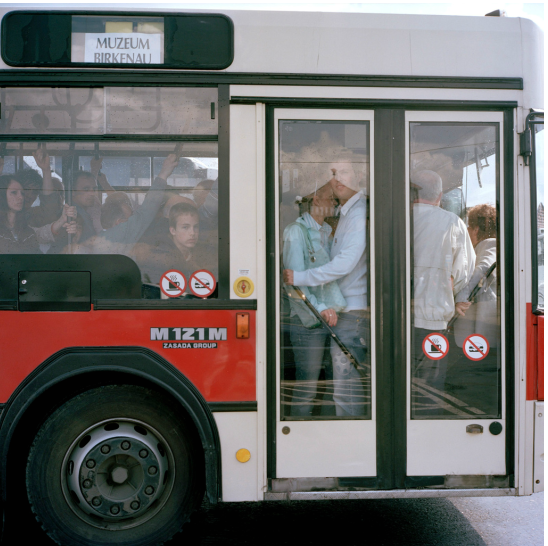
Constructed Landscapes

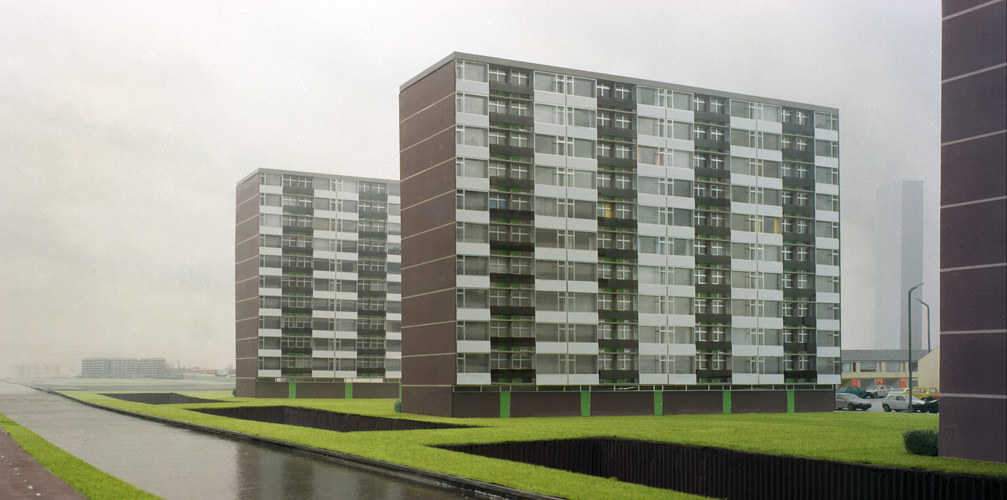
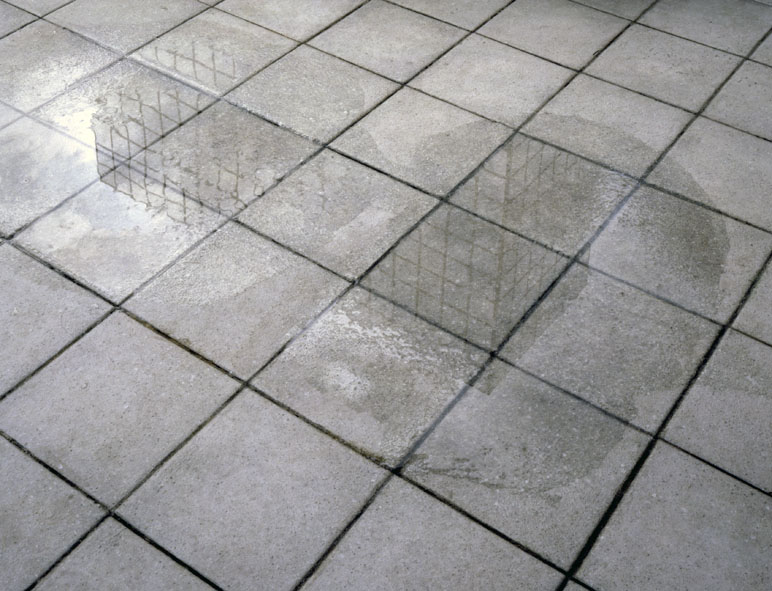
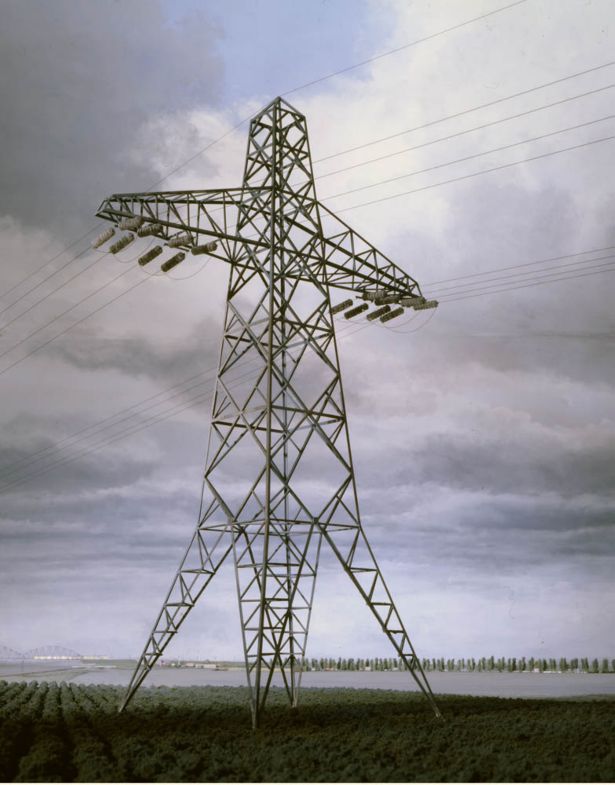
Photography has long surpassed the field of merely capturing reality. Ever since Man Ray, artist have used the camera like a painter uses his brush. What we see is never truly what is really going on. Take the work of Edwin Zwakman. This Dutch visual artist creates scenes, inspired by real life, and reconstructs them by memory in his studio. Landscape photography with the control of studio photography. The result is amazing. Life like scenes of what seems to be ordinary Dutch places. Perhaps a take on Dutch constructed landscapes. Every inch of it designed and thought of in an office. Controlled like Edwin does in his studio. Manipulation on a wide scale.

Edwin Zwakman’s website: www.edwinzwakman.nl
Read More

Behind the News

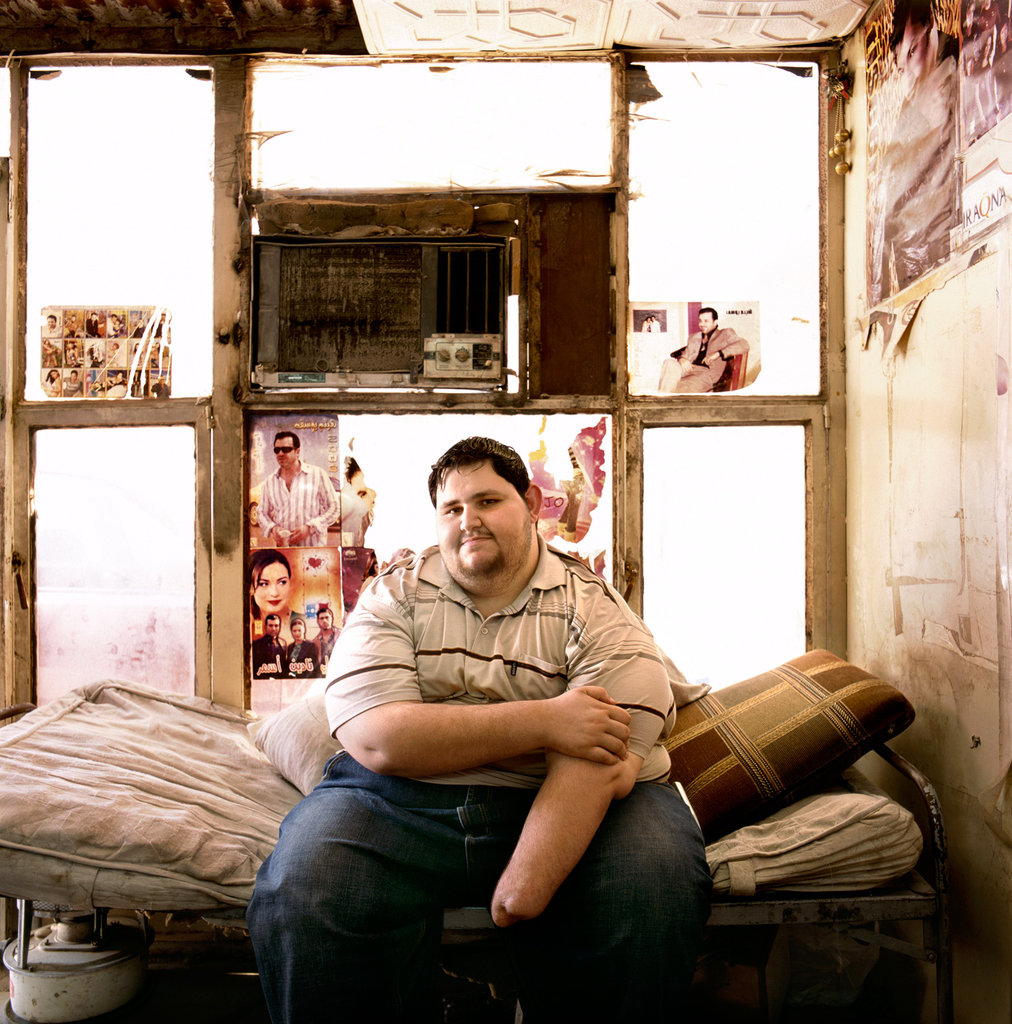
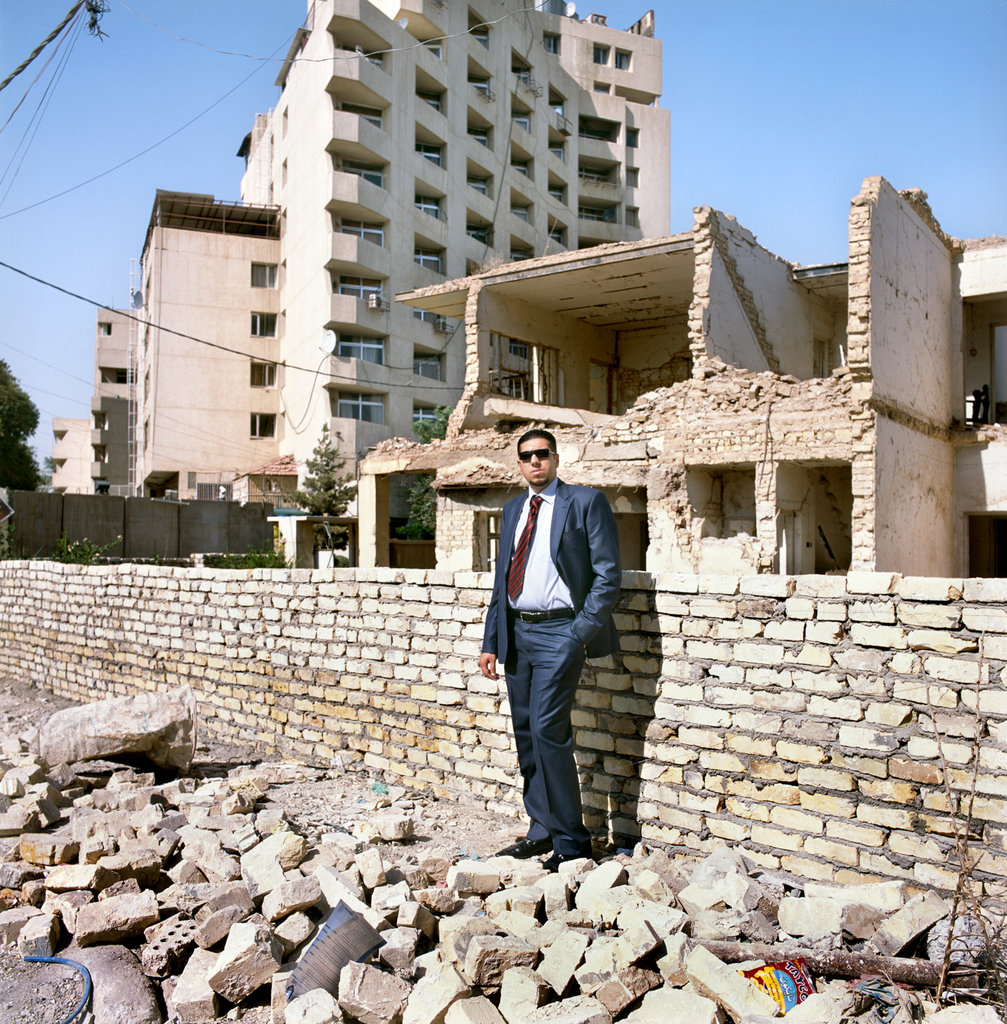
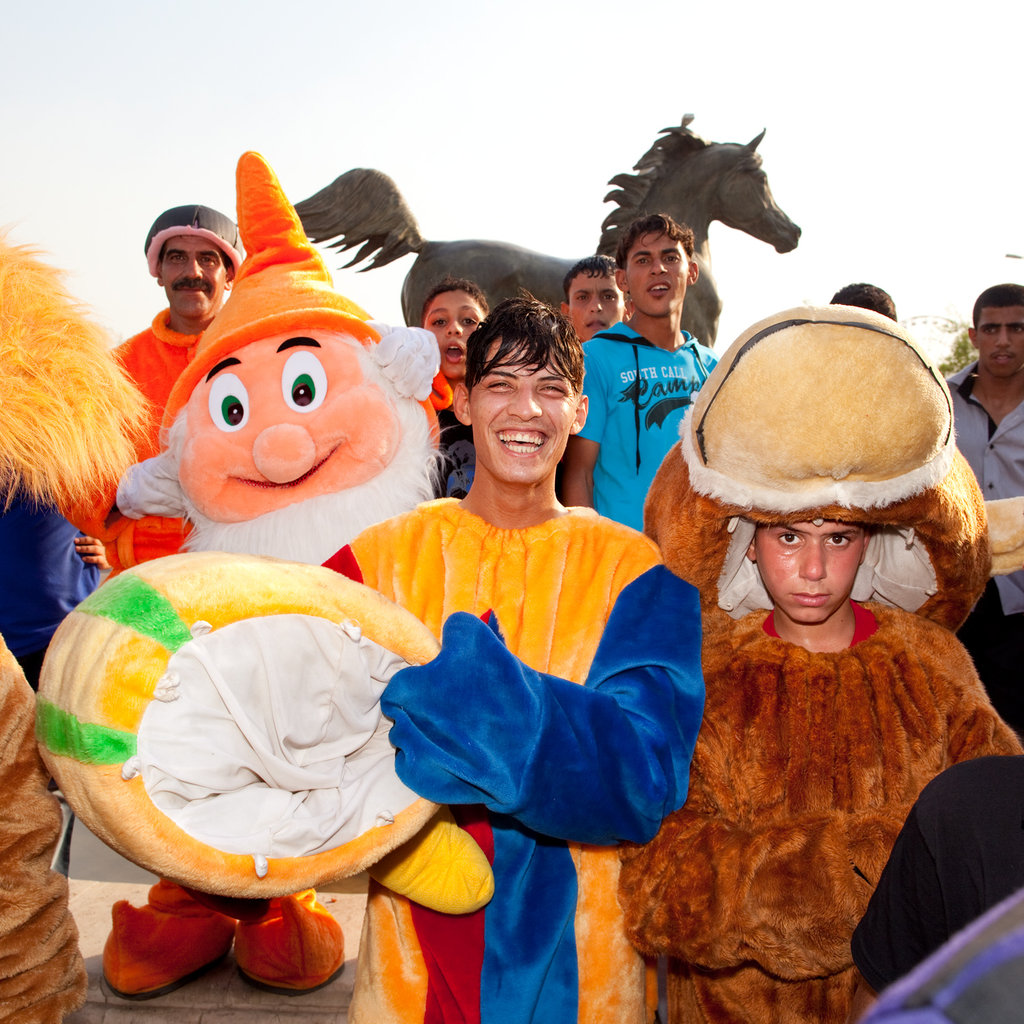
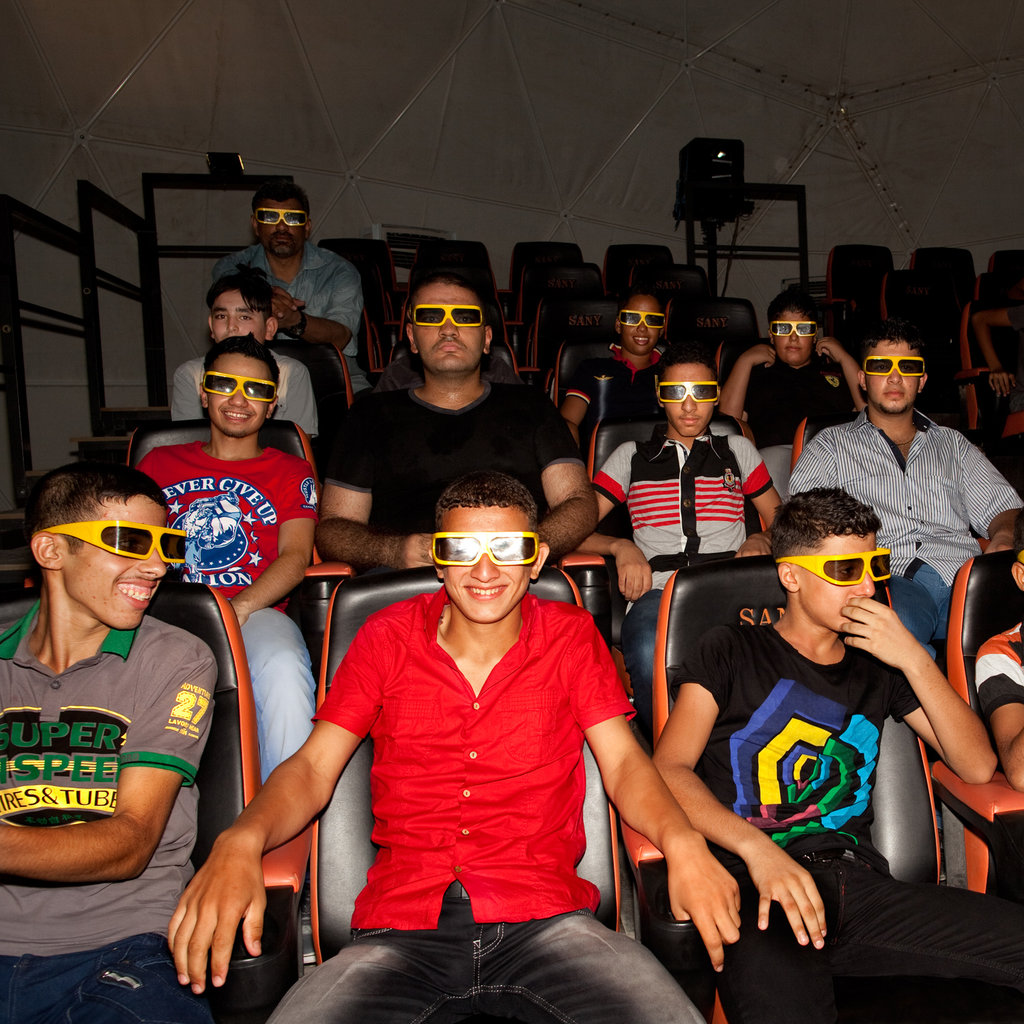
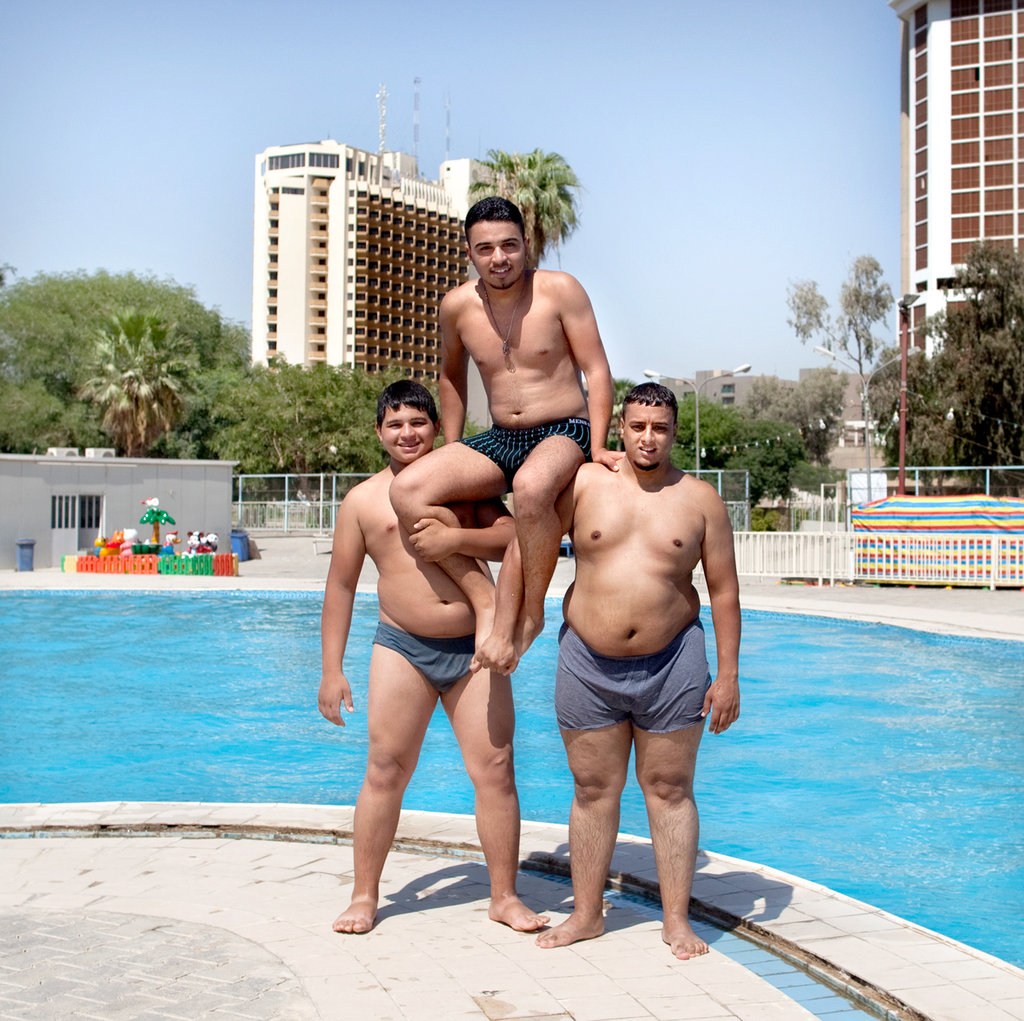
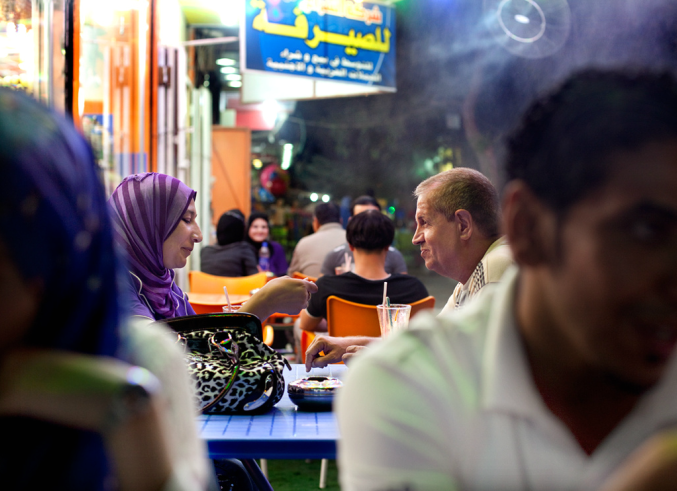
The west and the middle east are driven apart ever since the horrible events that took place at 9/11. What we learn about ‘them’, speaking now from the western point of view, is coming to us through the media. Western media. The news covers every suicide bomber and every attack on a western military base. What we never truly get to see is the people who try to live their normal lives.
Together with journalist Pauline Bakker, photographer Marieke van der Velden traveled to Baghdad Aug/Sept 2011 with a simple question: How are you?  The photographs see took shows us the people behind the news stories. Or behind the cover stories, the truth we never get to really know since a propaganda machine is keeping the humanity out of these conflict zones. A very interesting series called Baghdad Today.

Marieke van der Velden’s website: www.mariekevandervelden.com

Read More

Man’s Best Friend?

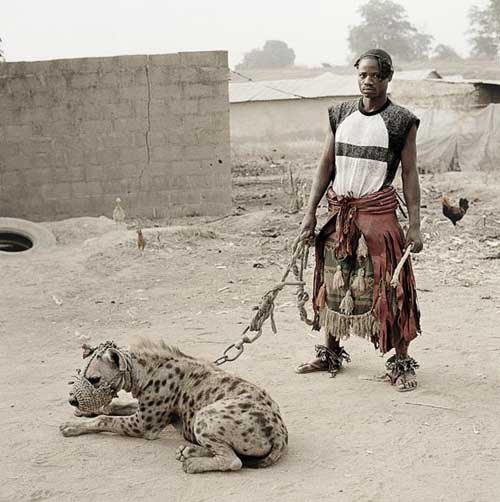
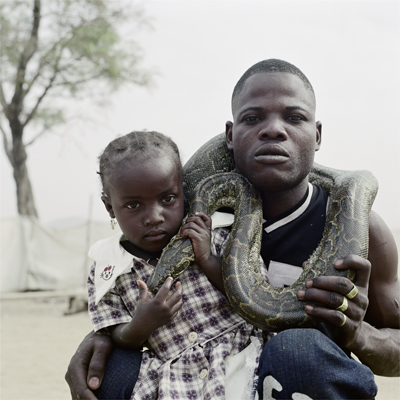
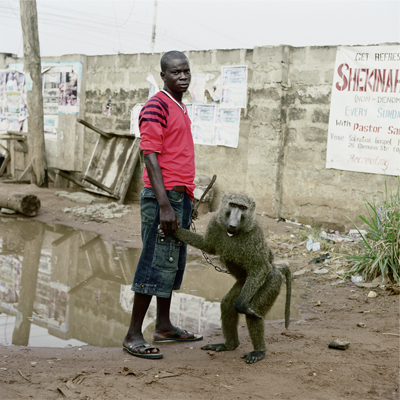
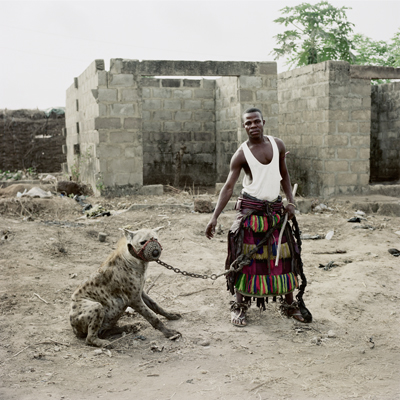
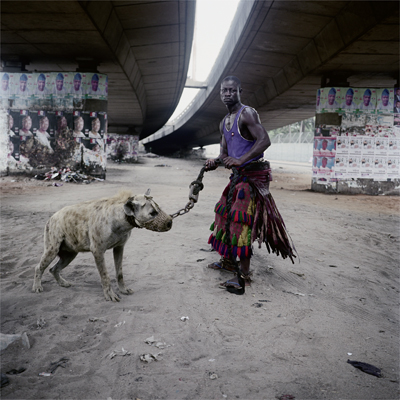
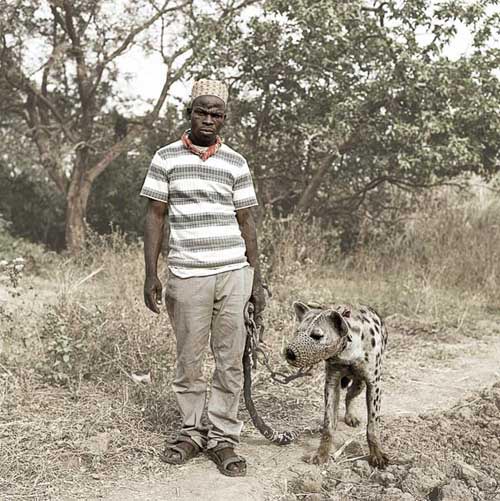
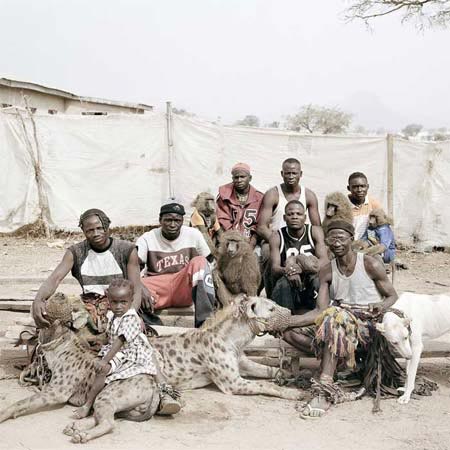
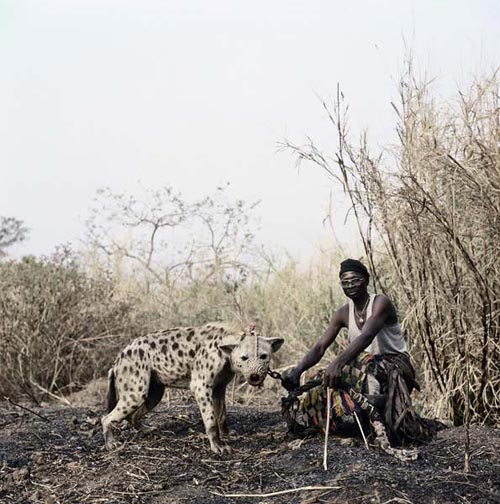
Pieter Hugo photographed hyenas and their owners. Yes, their owners. In Lagos, Nigeria, men seem to keep an hyena as a pet. Using a chain as a leash, they walk around with their pets like you normally would with your dog. I wonder if this animal is a good and smart substitute for what we normally would call men’s best friend. Does a hyena really looks out for the owners best interests. The muzzles indicates otherwise.

Pieter Hugo found out the true relationship between these men and hyenas. He spent eight days with them. The men are called ‘Gadawan Kura’, roughly translated ‘Hyena handlers/guides’. They are a group of itinerant minstrels, performers who used the animals to entertain crowds and sell traditional medicines. For the complete story please visit Hugo’s website or click here.

Pieter Hugo’s website: www.pieterhugo.com

Read More

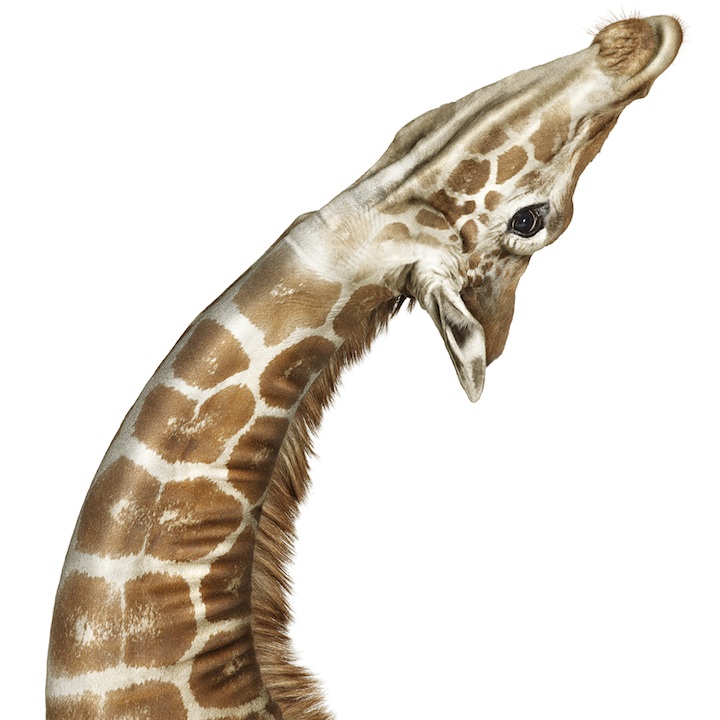
Portraits of Nature

Portrait photography has been a big hit ever since the invention of photography. The subjects photographed evolved along with the evolution of the camera. From dead people, stationary living people, to spontaneous portraits. Exposure times were just a little longer back then, than we are now accustomed to. Often the eyes of the people photographed in the middle of the 1800s looked weird. Due to the long exposure, people were able to stand still, but blinking and moving your eyes seemed a challenge.

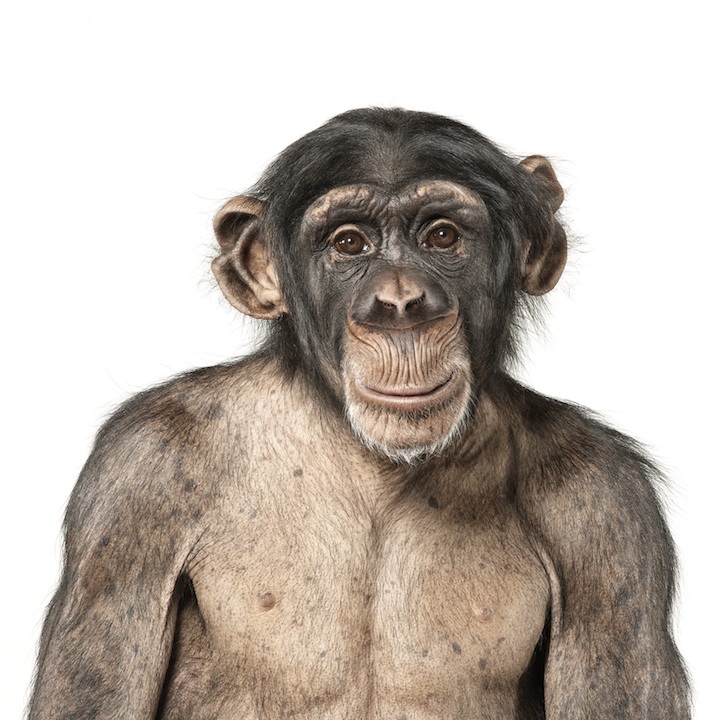
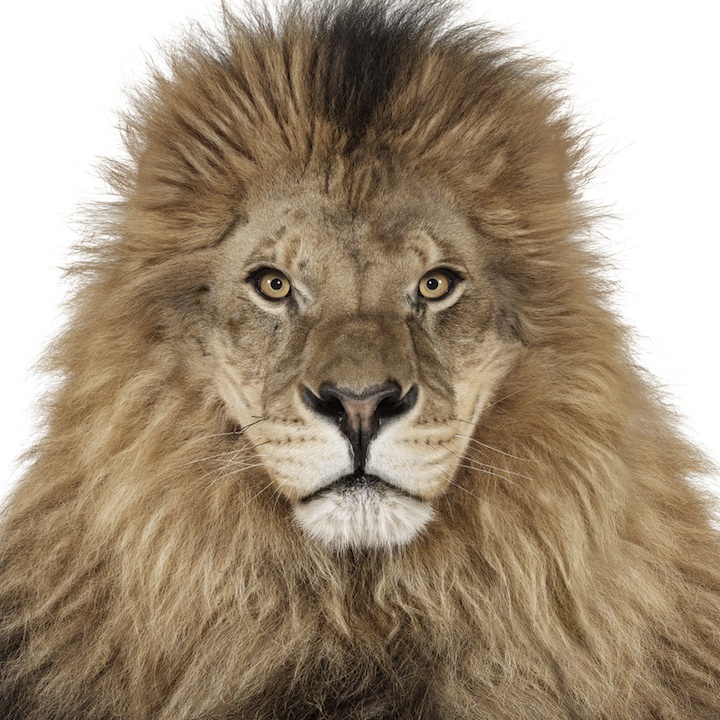
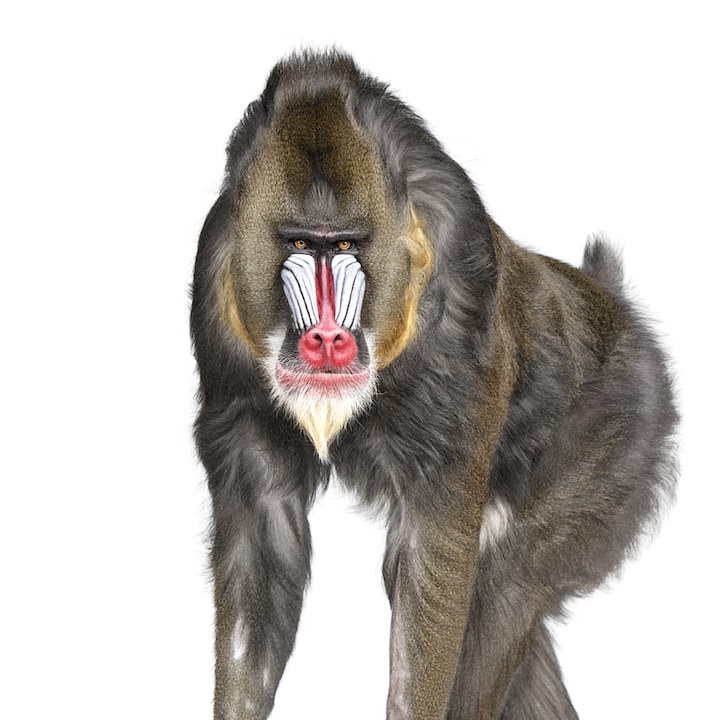
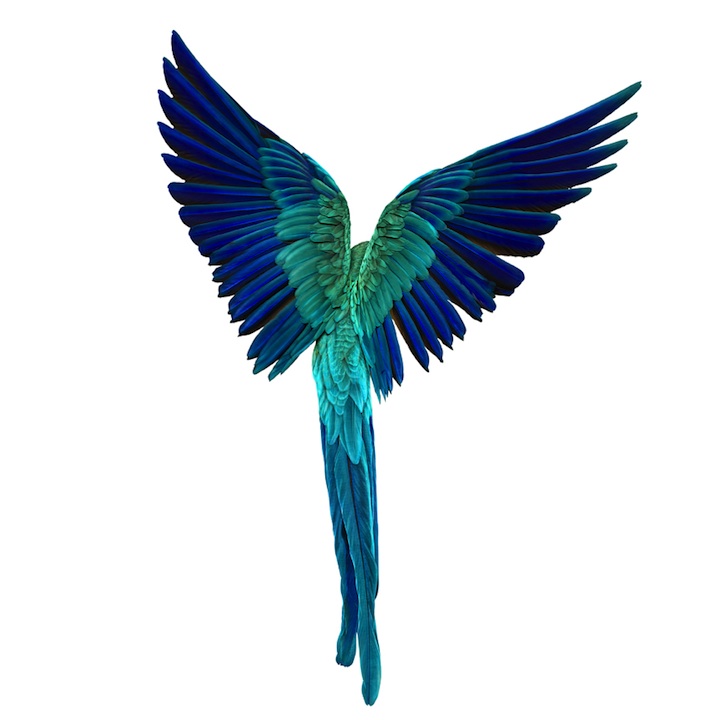
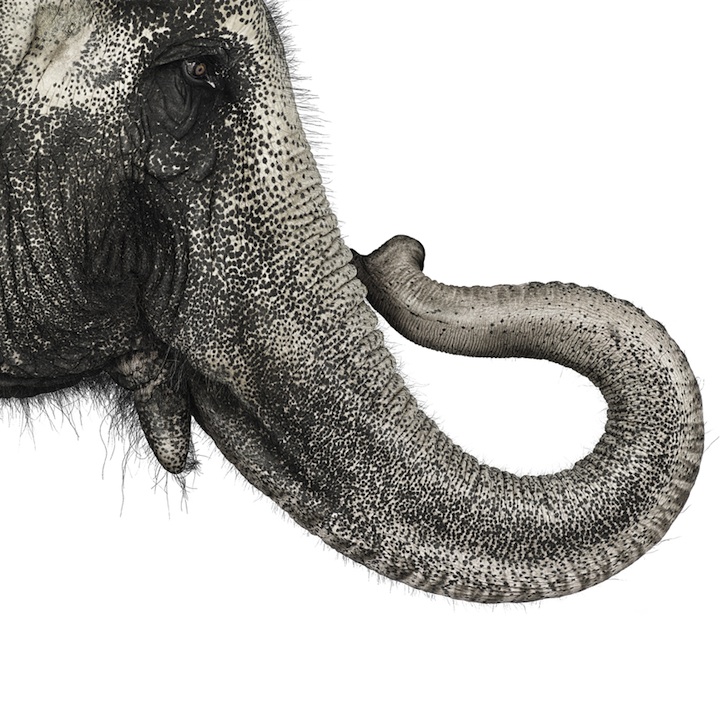
Today we are able to portray anything we like. Some photographers seem to take it on them selves to photograph subjects that are not easily controlled. So long live the short exposure times and the ability to control light. Andrew Zuckerman photographed different animals in his series “Creature”. With his studio approach he photographed elephants, giraffes lions, and many other creatures. And he did this on a white background. Just like Richard Avedon did with people in his series “In the American West” (1985). Zuckerman takes the animal out of its natural habitat to show us just the animal and all its beauty.

Website Andrew Zuckerman: www.andrewzuckerman.com

Read More

Form Integration

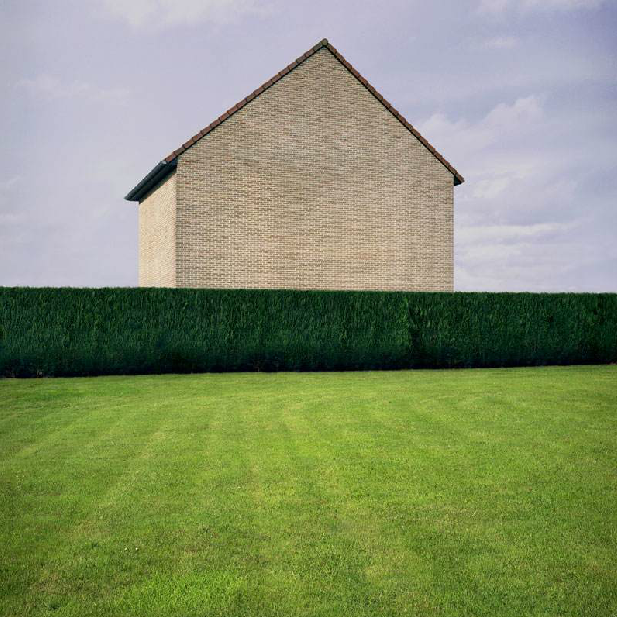
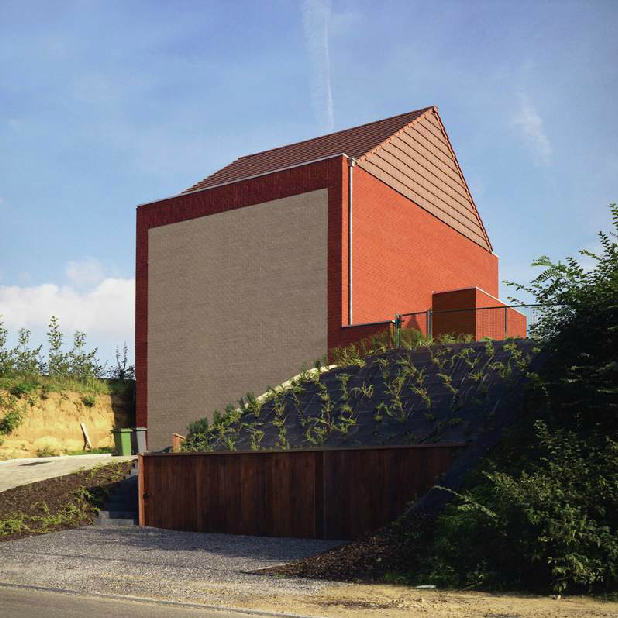
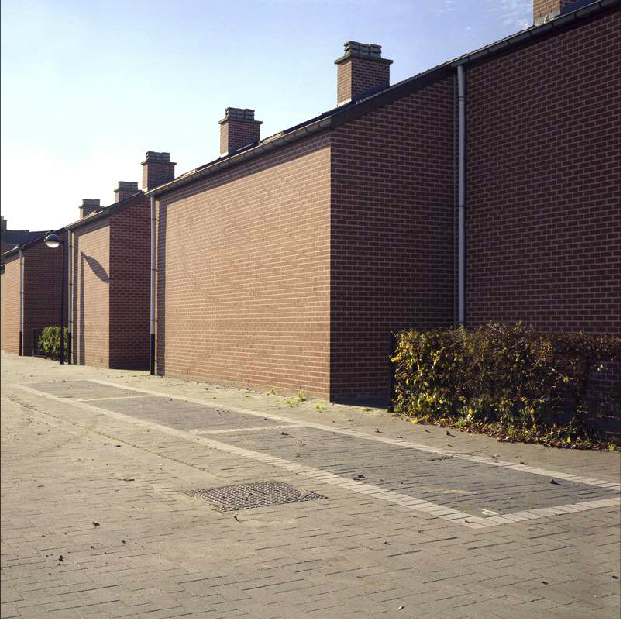
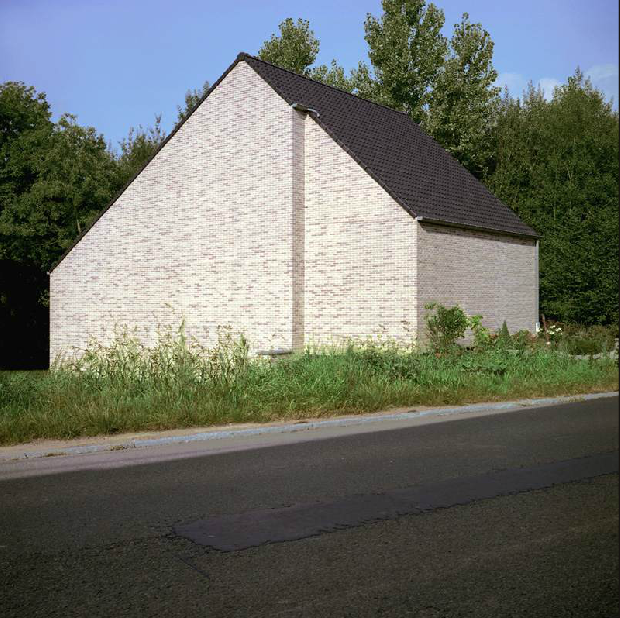
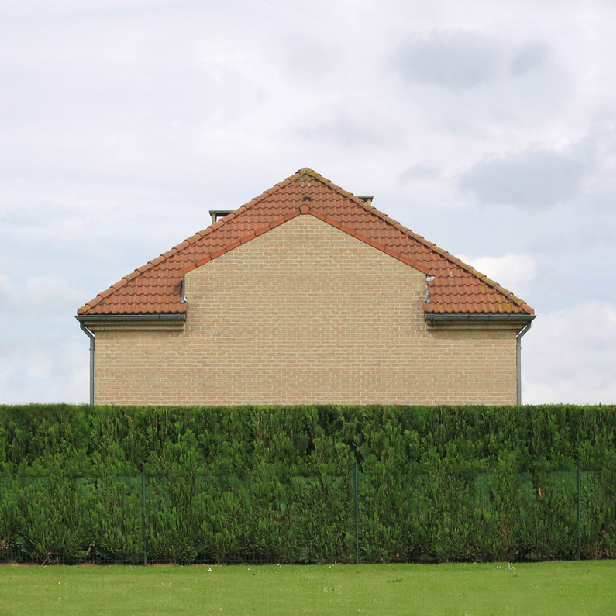
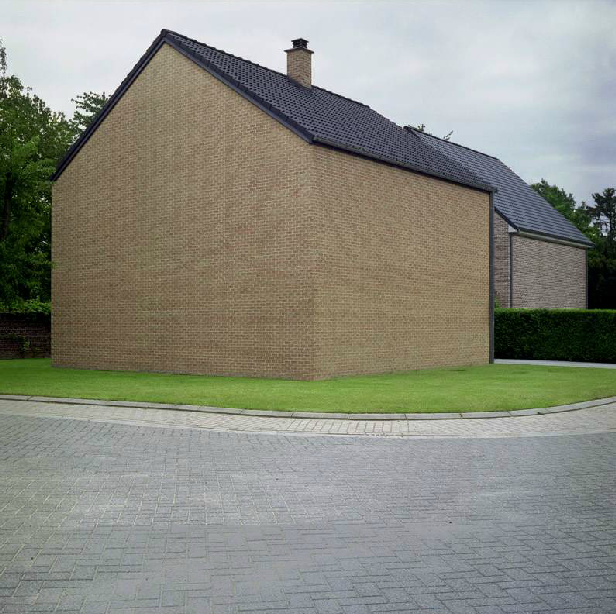
In the series “Habitat” Belgium photographer/artist Xavier Delory looks at prefab houses. House that can be found on the countryside of Belgium. And perhaps even in other western countries. One specific type of houses can be found here, called ‘Clé sur porte’. Or “Turnkey”. From which the definition is” Urban prefab cluster of similar forms implanted in the landscape without any effort of integration.

I look at the photographs and see visually interesting landscapes. Xavier depicts these houses almost as a representation of a social mega-trend. With little adjustments to the houses we see a closed up habitat were we, the individual, live our lives. Perhaps the words “without any effort of integration” says it all. We are all living in a society that builds on individuality by presenting us choices. And in the end the choices made per individual are not so different at all, yet we all feel unique. And all life our close-up lives without really trying to integrate.

Xavier Delory’s website: www.xavierdelory.be 

Read More