Website: www.stephengill.co.uk
photography
The Way We Move

A big hit today on the web is the Graphics Interchange Format (GIF). Introduced by CompuServe in 1987, GIFs allows movement to perhaps otherwise boring images. I see you think, how are GIFs photography related? Well in a way GIFs finds its origin way back in the 1800s. The early days of photography.
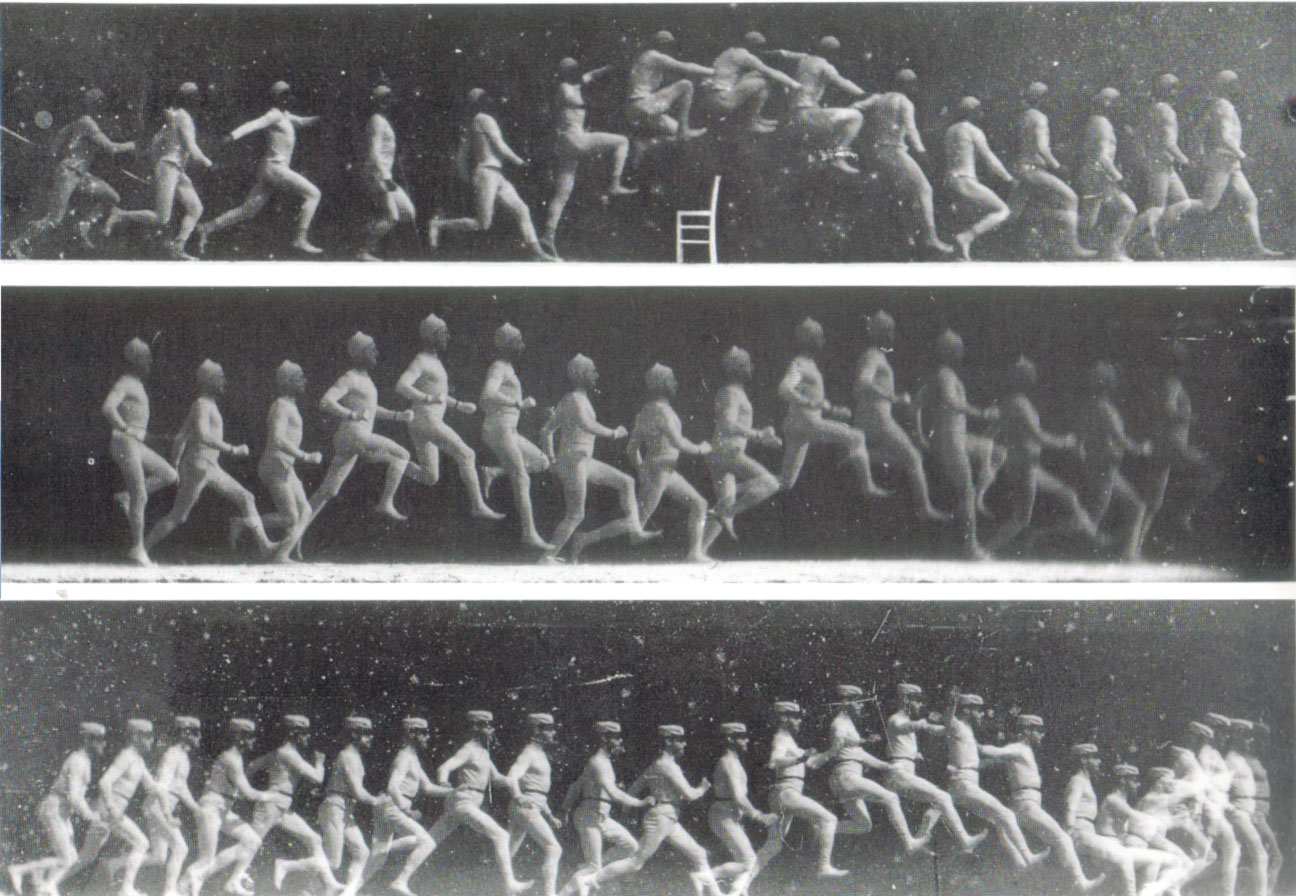
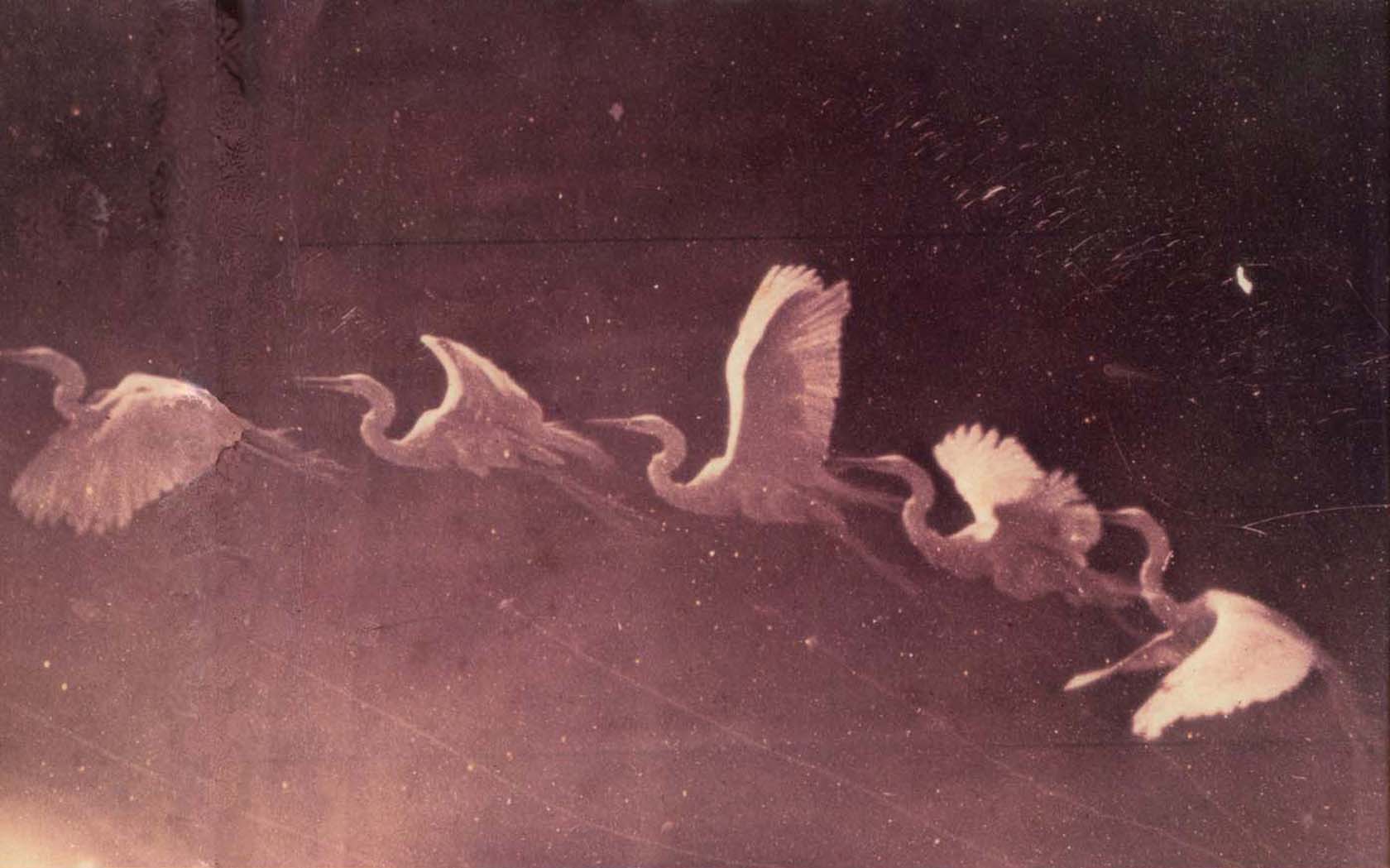
Étienne-Jules Marey was a pioneer in the field of photography. As a scientist and physiologist he became fascinated in the movement of the body and that of air. He started to research flying animals. He had the brilliant idea of capturing a flying animal on one photographic surface. He adopted and further developed animated photography into a separate field of chronophotography in the 1880s.
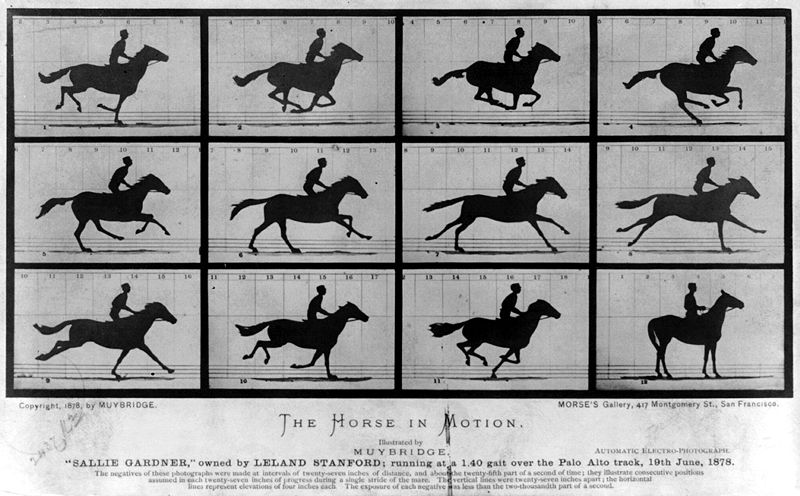
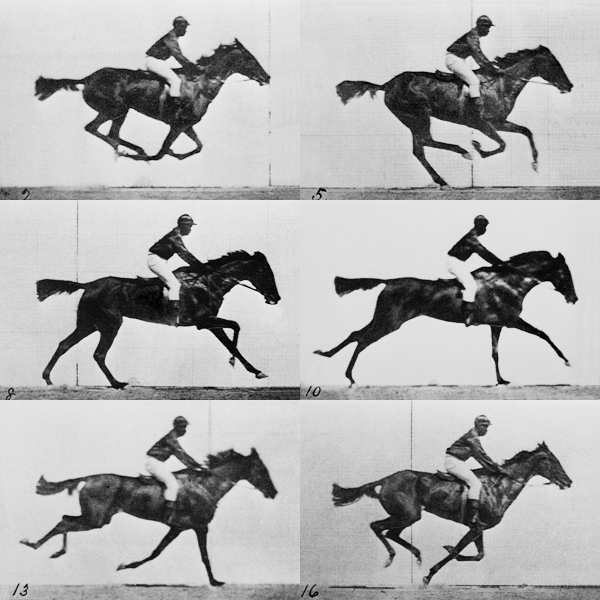
Around the same time a popular debate in the USA was about the movement of horses. People wanted to know whether all four hooves of a horse were off the ground at the same time while trotting or galloping. Eadweard Muybridge, allegedly inspired and influenced by the works of Étienne-Jules Marey, was asked to settle the debate by using his photographic skills.
To study the gallop, Muybridge planned to take a series of photos on June 19, 1878 at Stanford’s Palo Alto Stock Farm. He placed numerous large glass-plate cameras in a line along the edge of the track; the shutter of each was triggered by a thread as the horse passed. (In later studies he used a clockwork device to set off the shutters and capture the images.) He copied the images in the form of silhouettes onto a disc to be viewed in a machine he had invented, which he called a zoopraxiscope. This device was later regarded as an early movie projector, and the process as an intermediate stage toward motion pictures or cinematography.
(source: Wikipedia)
So there you have it. The invention of photography kickstarted the understanding of movement, the movie industry, animations and GIFs.
UPDATE
I came across this video by coincidence today (4/13). I thought I would share it with you. Since it fits so perfectly in this post about Muybridge. It is a movie from 1965.
Surroundings

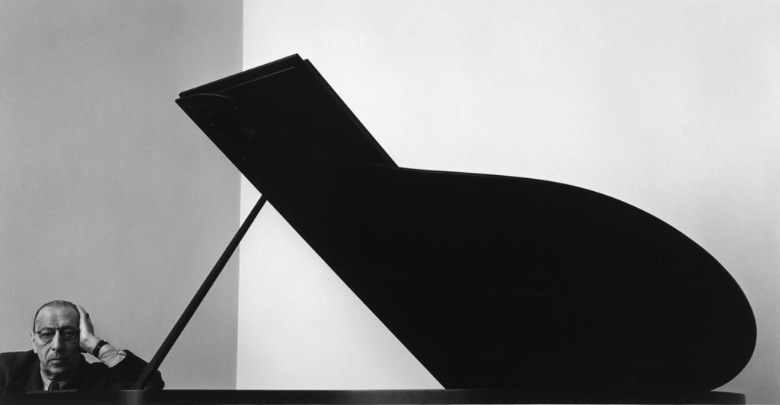
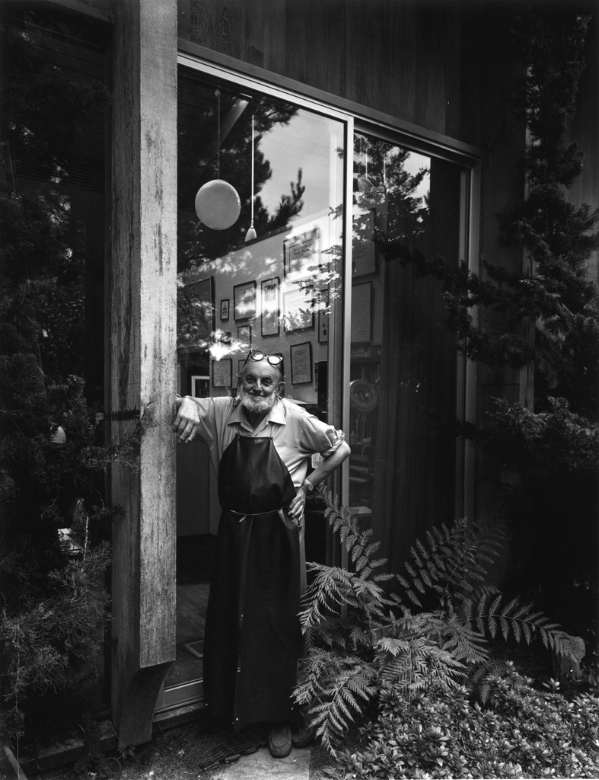
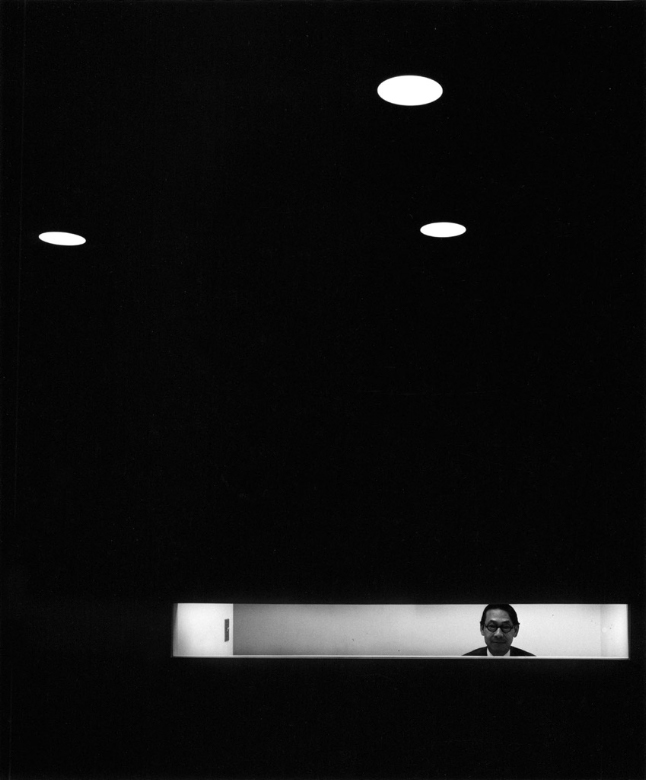
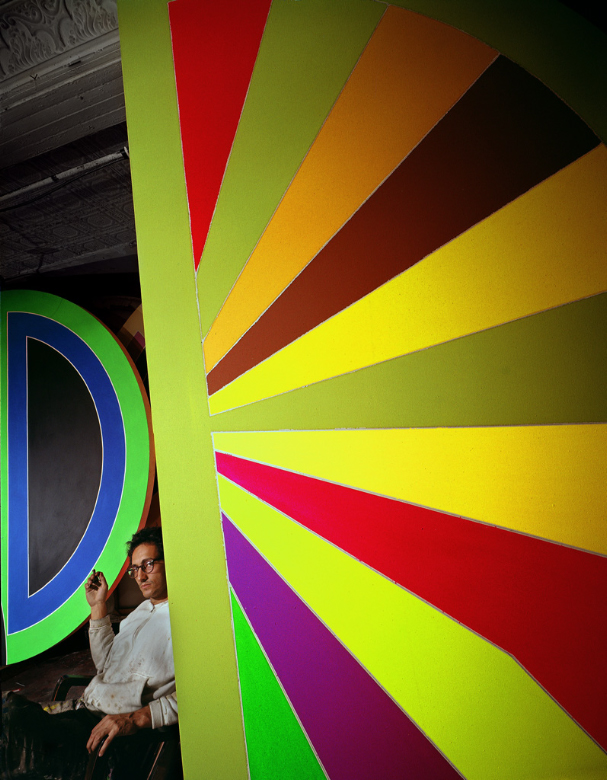
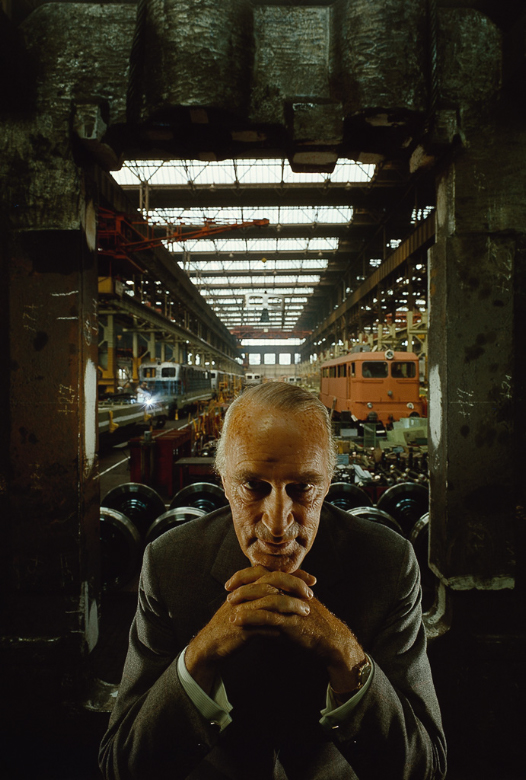
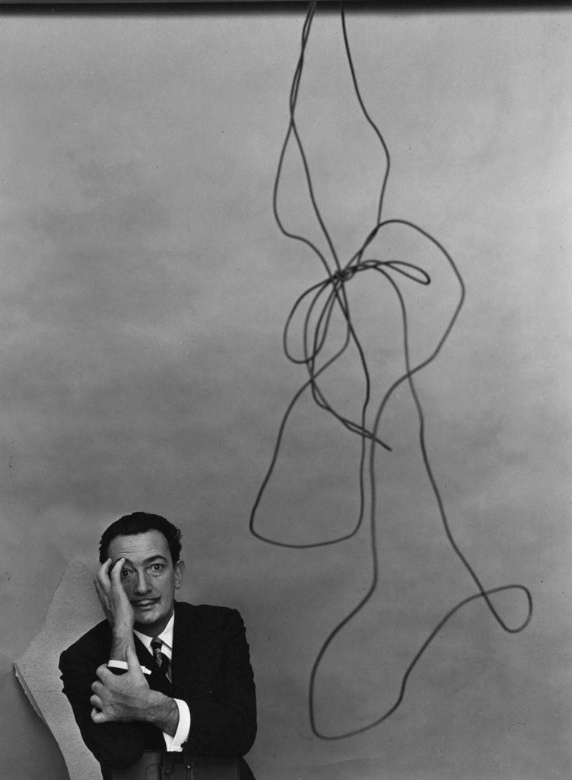
I’ve always find portrait photography interesting. To be able to capture a person’s personality in one single frame is just an amazing challenge. And not many photographers master this skill the way Arnold Newman does. The amazing portraits by Newman has inspired me greatly. What Newman does is including the surroundings in his portraits. Most famous example is that of Igor Stravinsky. Allegedly, the now famous photo of Stravinsky was rejected by the magazine who commissioned the shoot. Arnold Newman is able to reflect the personalities of all the famous ones as no other. Sometimes he translates his feelings about a person brilliantly. He did this beautifully with convicted Nazi war criminal, an industrialist, Alfred Krupp.
True Craftsmanship

Photography is everywhere. Because of cameras getting smaller and smaller every day, the art-form is available to everybody. We see a flood of image making across the web. And with Facebook and Twitter, sharing was never so easy.
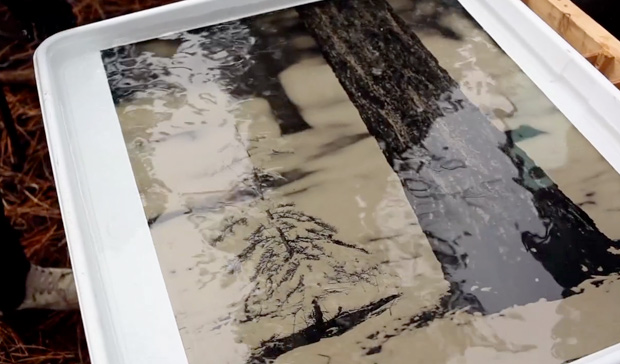
But photography started as a true craftsmanship. To make an image, one had to understand chemical processes, the adjustments of a camera and the way light influenced everything. You had to understand many thing before you were able to produce one photograph, and in the beginning of photography often a unique photograph. The first photographers weren’t really photographers. You could see them as scientists or technicians.
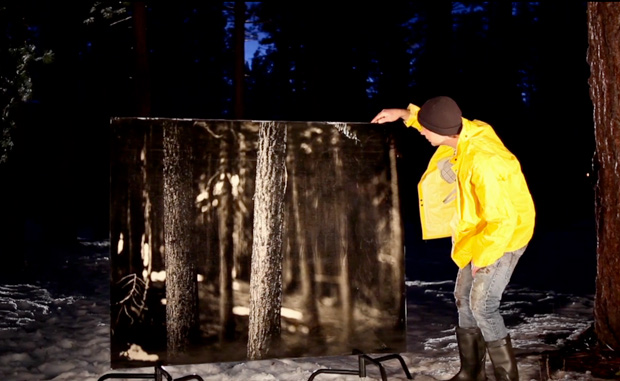
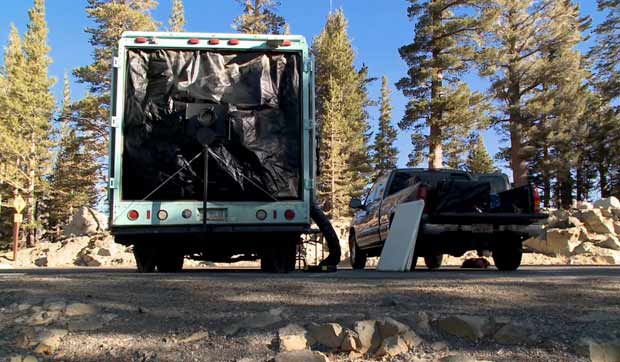
There is something quite poetic and beautiful about producing a unique photograph. Ian Ruhter is a modern photographer who missed the feeling of being in a darkroom. He decided to go trough great lengths to be a true craftsman. If you can spare some minutes please watch his movie below or read the interview on CoolHunting.
Sunday Vid – Views on Vermeer
Above a few samples of the documentary Views on Vermeer. Some famous and very great photographers talk about the Dutch painter Johannes Vermeer. And how he uses light. Among the photographers: Steve McCurry, Erwin Olaf, Philip-Lorca diCorcia, Chuck Close and others. A must see documentary. So if you have the time please look it up and be inspired.
Religious Immersion

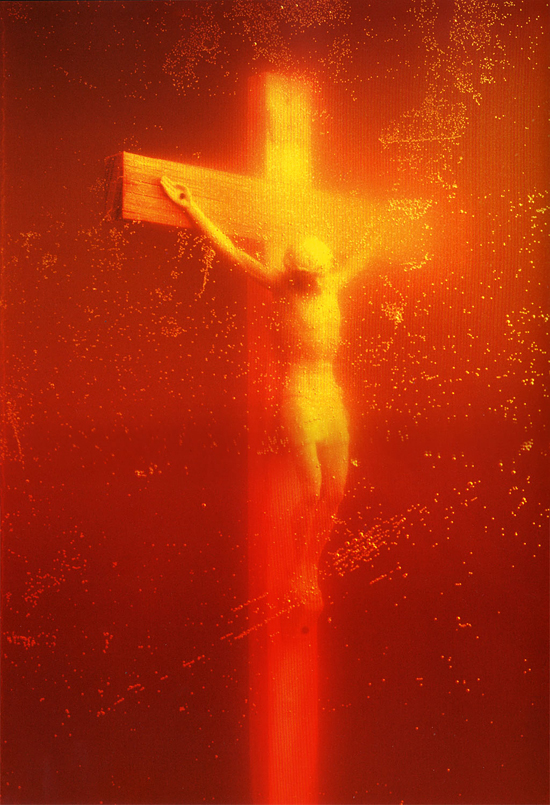
Controversy is a word that springs to mind when looking at the photographs of Andres Serrano. The American photographer became notorious through his photos of corpses and his use of faeces and bodily fluids in his work. One of the very controversial photographs was that of a crucifix submerged in a liquid. The liquid was his own urine. This in 1987 created artwork he called “Immersion (Piss Christ)”.
For Serrano this artwork was a statement on the misuse of religion. He defended his photograph as a criticism of the “Billion-dollar-Christ-for-profit industry” and a “condemnation of those who abuse the teachings of Christ for their own ignoble ends”.
On several occasions the photograph was vandalized. A print of the photograph was damaged using a screwdriver or ice-pick on April 17, 2011 while on exhibit in Avignon, France. Before that a print was also vandalized in Australia. And in Sweden, neo-Nazis took it upon themselves to ransack the art work.
If by definition art has to communicate some form of emotion, Serrano sure managed to do so.
A Dutch Master

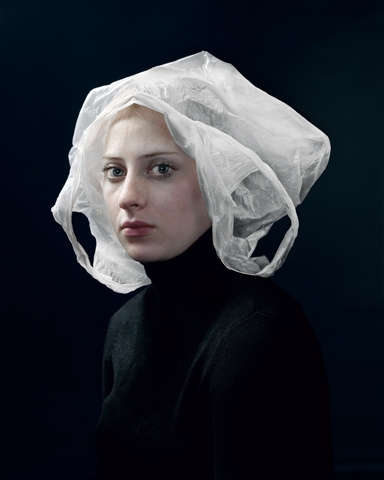
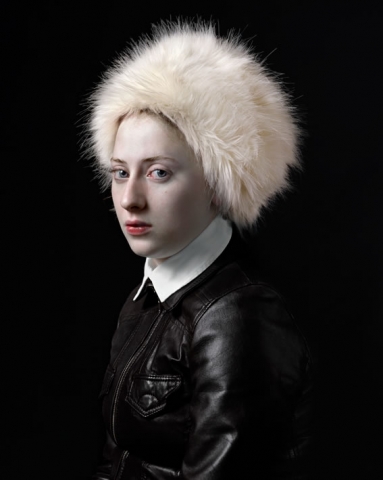
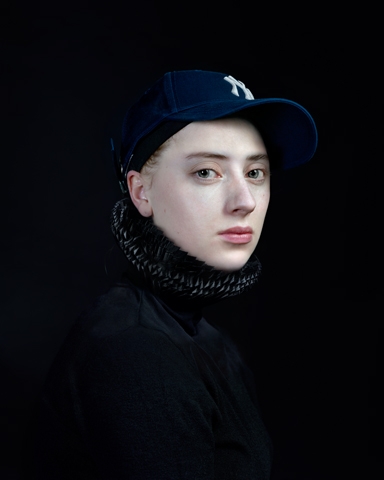
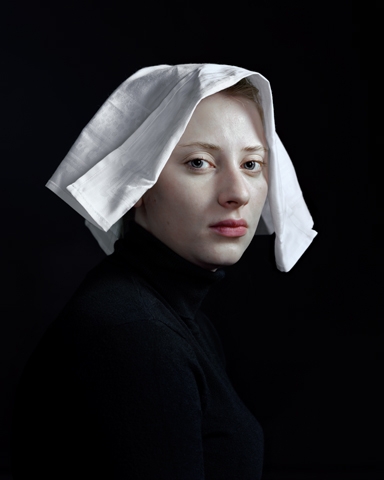
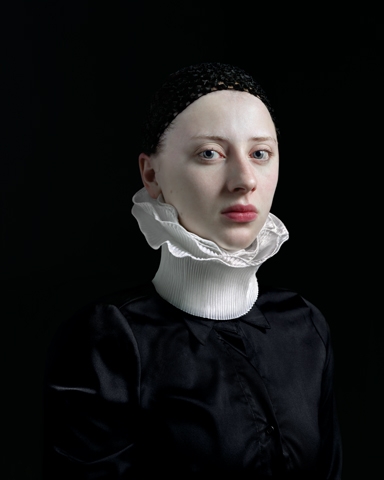
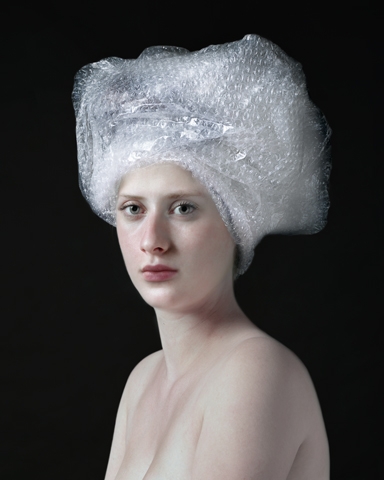
Inspired by the works of old Dutch Masters and the Italian Renaissance, Hendrik Kerstens‘ photography shows an interesting series of his daughter Paula. Important moments in her life were captured by the crisp sharp image-making of Hendrik Kerstens. The techniques he uses bears a great resemblance to the old Dutch masters.
By the use of photography, the new master gives us a mix of the greatness of the paintings from Johannes Vermeer and the likes, and the modern interpretation of this art form. By using classical poses and techniques combined with modern objects the photos send out an appropriation of the Dutch golden age of painting and the rising acknowledgment in art photography.
Junk Development

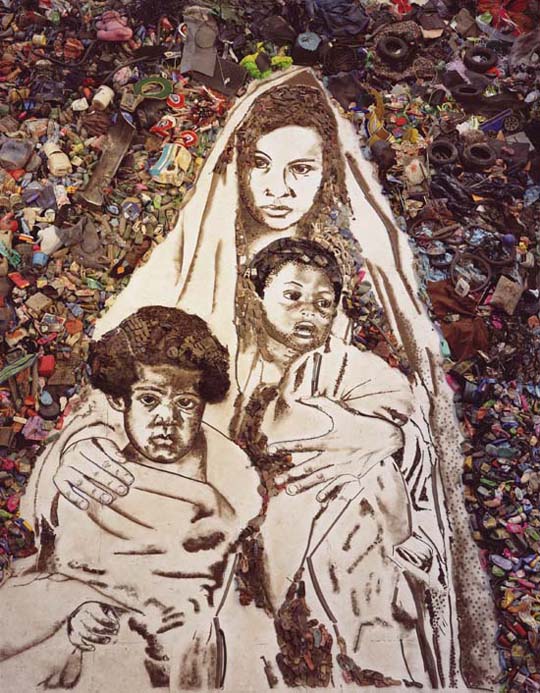
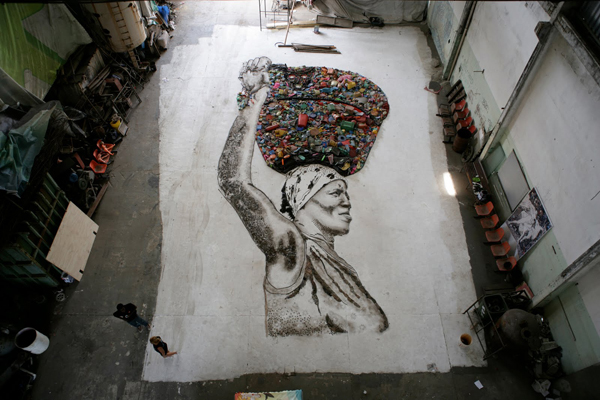
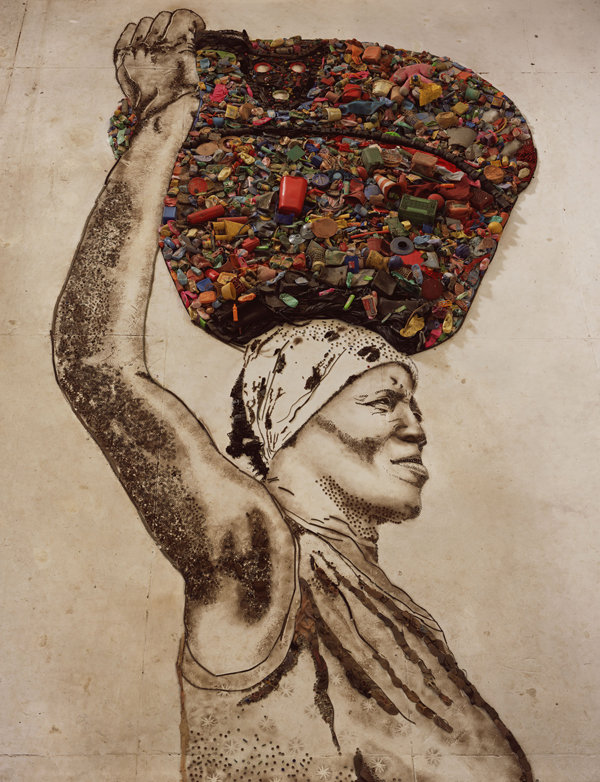
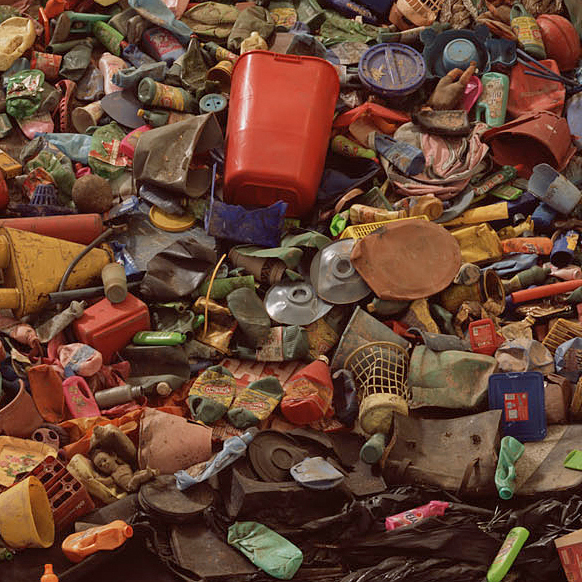
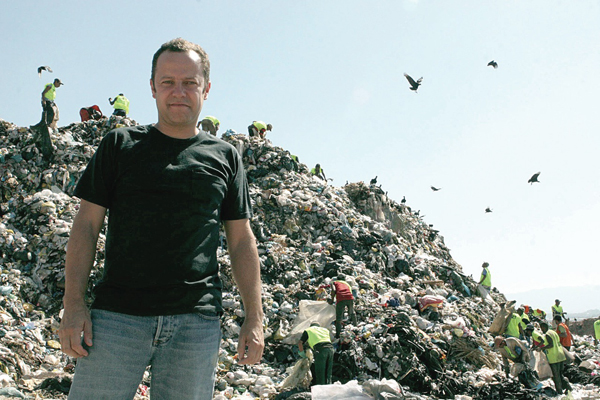
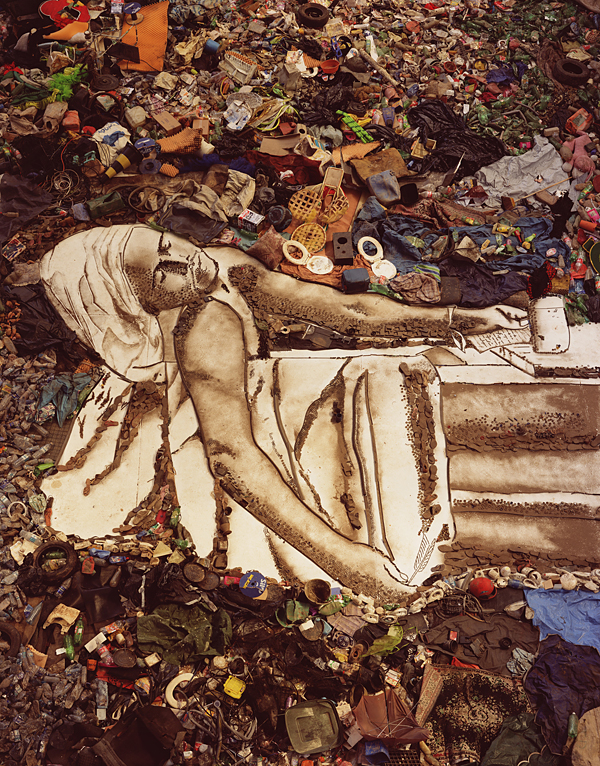
To develop an image one can use different techniques. Especially when photographing analog. And usually the end result is presented on paper. But Brazilian artist Vicente Jose de Oliveria Muniz, also known as Vik Muniz, takes a different approach. In his series “Pictures of Garbage” he uses, well its in the name, garbage.
In this series he is portraying the garbage pickers of Jardim Gramacho, a 321-acre open-air dump just outside Rio that is one of the largest landfills in Latin America. In the wonderful documentary “Waste Land” we follow him during this project. In it we see the lives of the portrayed garbage pickers. We see what it means to have a job at such a landfill. We see how proud people are for the work that they do. And Vik Muniz brings it all together in those wonderful portraits. The story, the people and the proudness. Luckily for us, Vic did also developed the portraits on paper. It makes the exposure for this project some what easier.