Google Road Trip

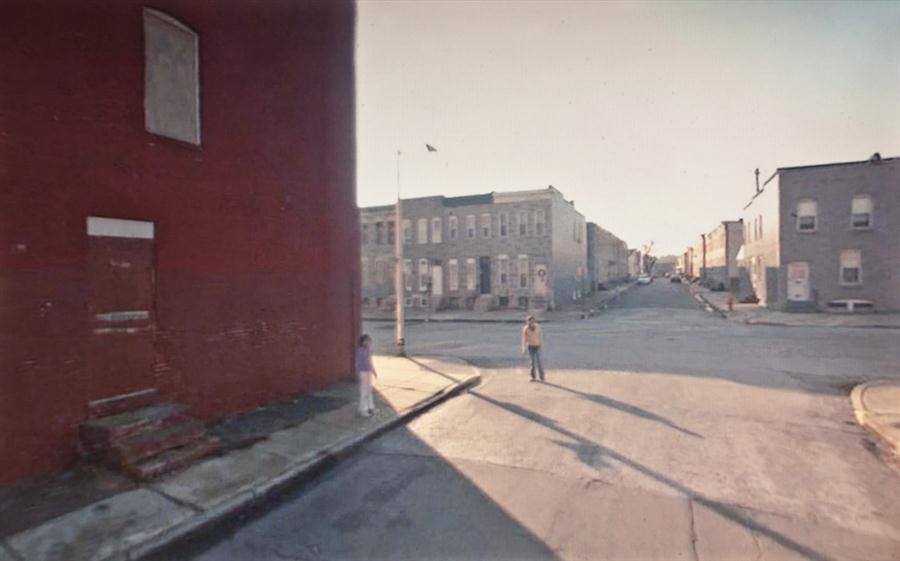
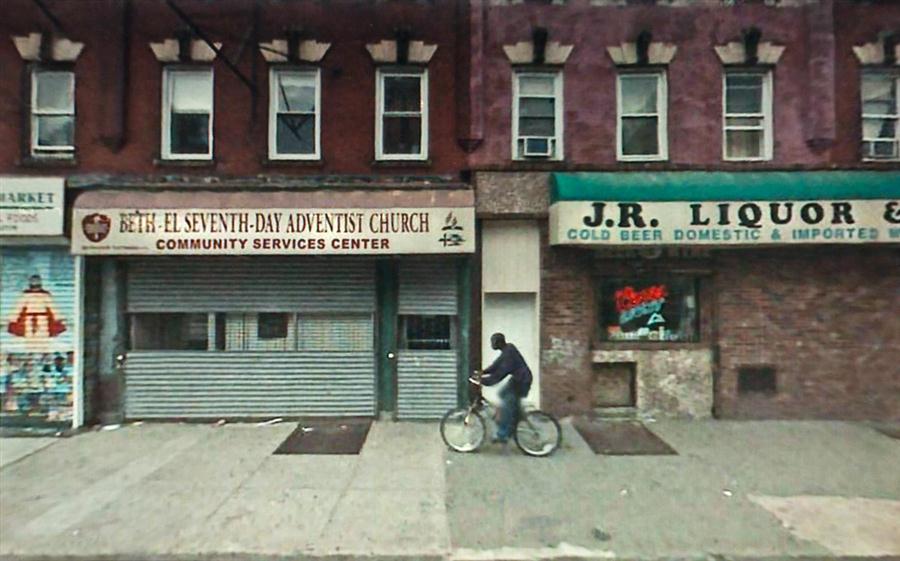
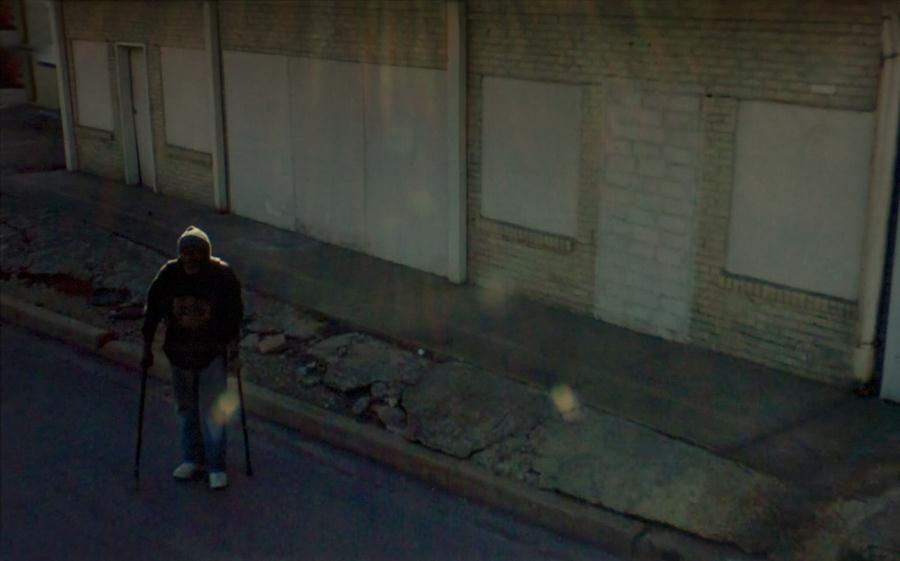
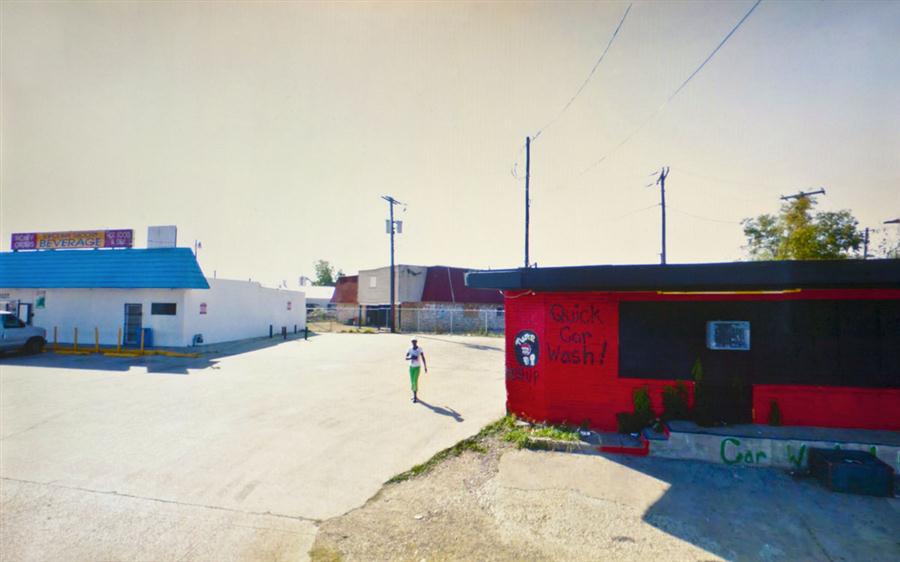
The United States of America has and will always be a place that will inspire dreams and capture the imagination of many. The greatness of the land, the nature, the mixture of cultures and way of living, it all makes the USA a great place to travel around in. A country made for an epic road trip.

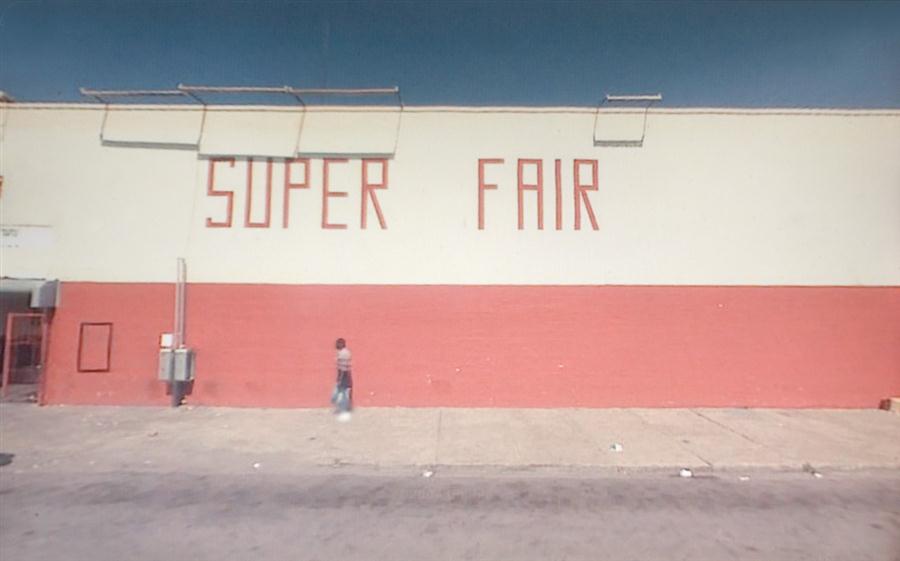
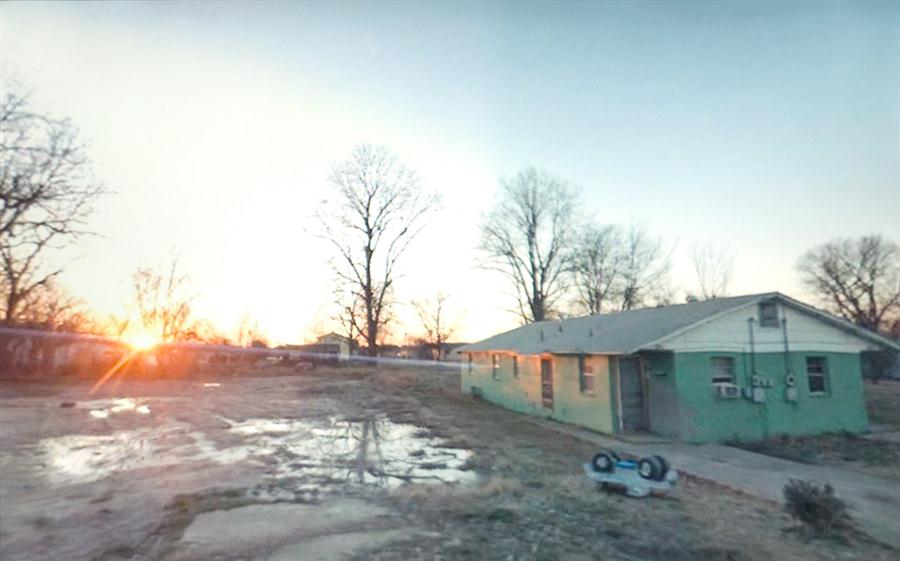
Unfortunately not everybody will be able to travel around in this vast part of the world. But fortunately Google Maps makes it possible to wander around in neighborhoods and trough the states of the Americas from the comfort of your own home. Doug Rickard undertook a trip that lasted around two years. He looked for places with vivid colors and certain compositions. Many have compared it with the works of Stephen Shore and William Eggleston. Some of the photos even remind me of paintings by Edward Hopper. Rickard’s series’ called “A New American Picture”. He lets us see a glimpse of americana by using a service meant for many things. And like all artist he makes us look differently at what is in front of us. On the screen and on the streets. So next time you find yourself traveling on your computer, think about Doug Rickard’s wonderful photo series.

Doug Rickard’s website: www.dougrickard.com
Read More

Old + New

Many photographers will find themselves from time to time defending either analog or digital processing. Which is better? And why? Well for me the answer is easy, both are just fine.

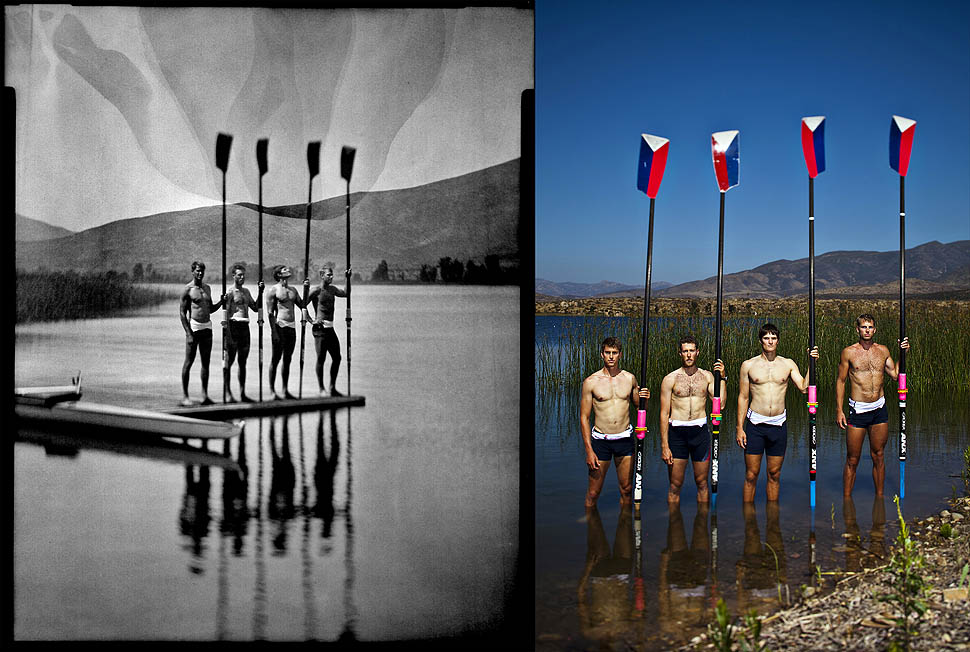
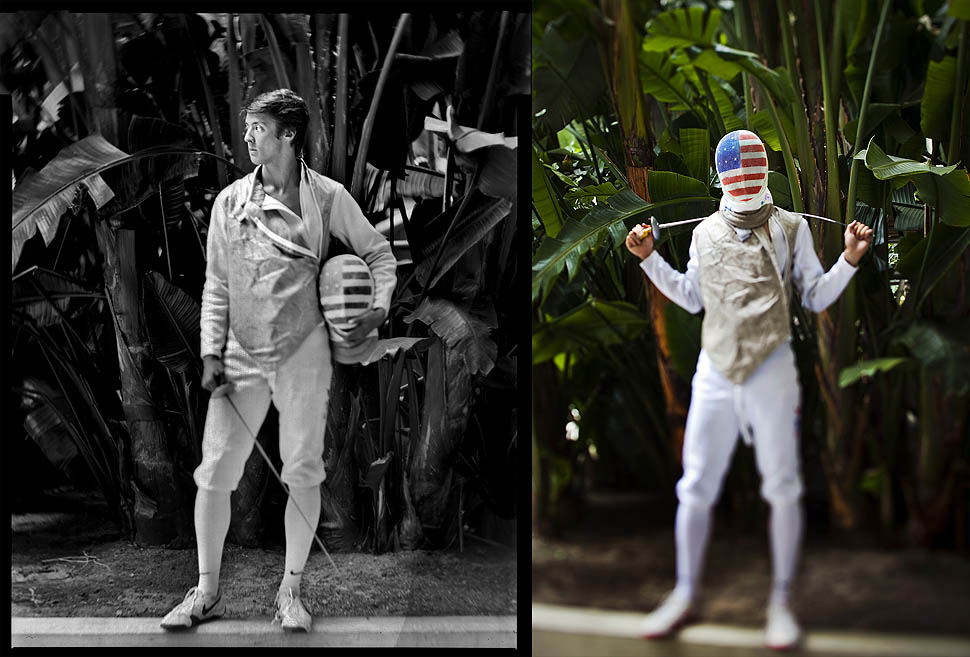
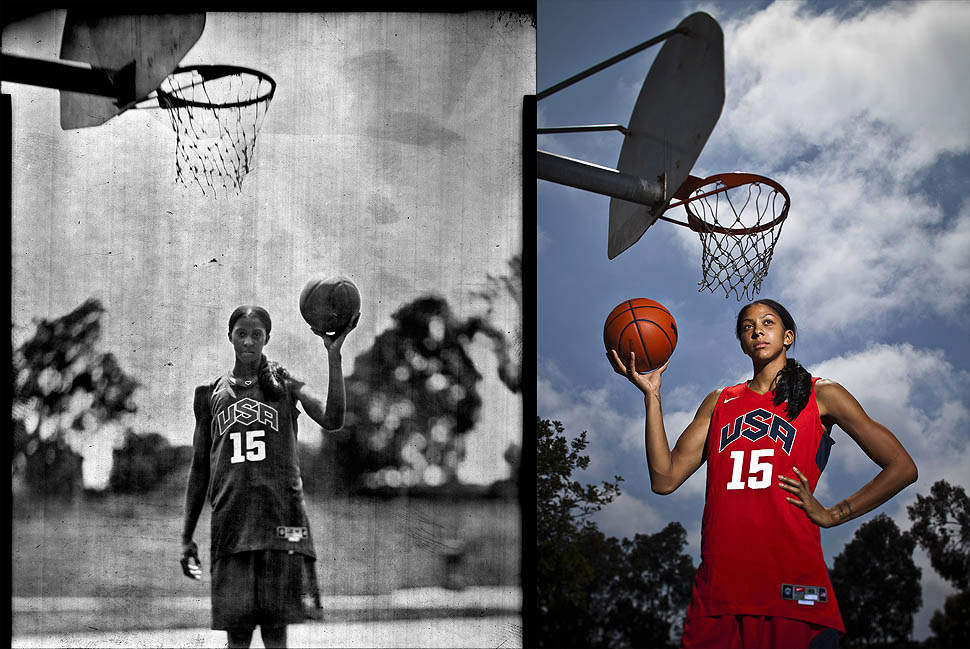
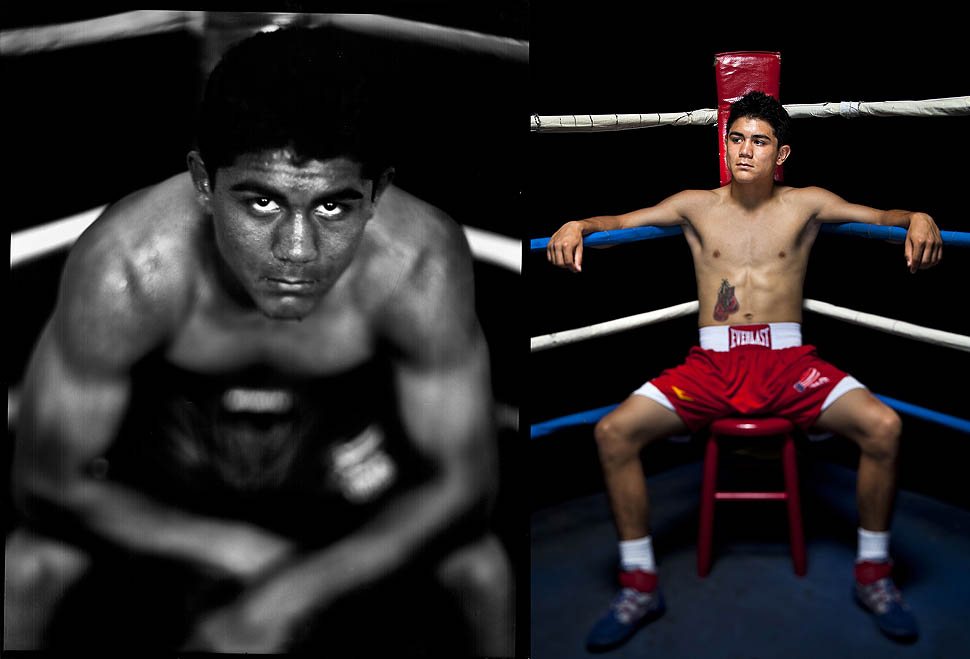
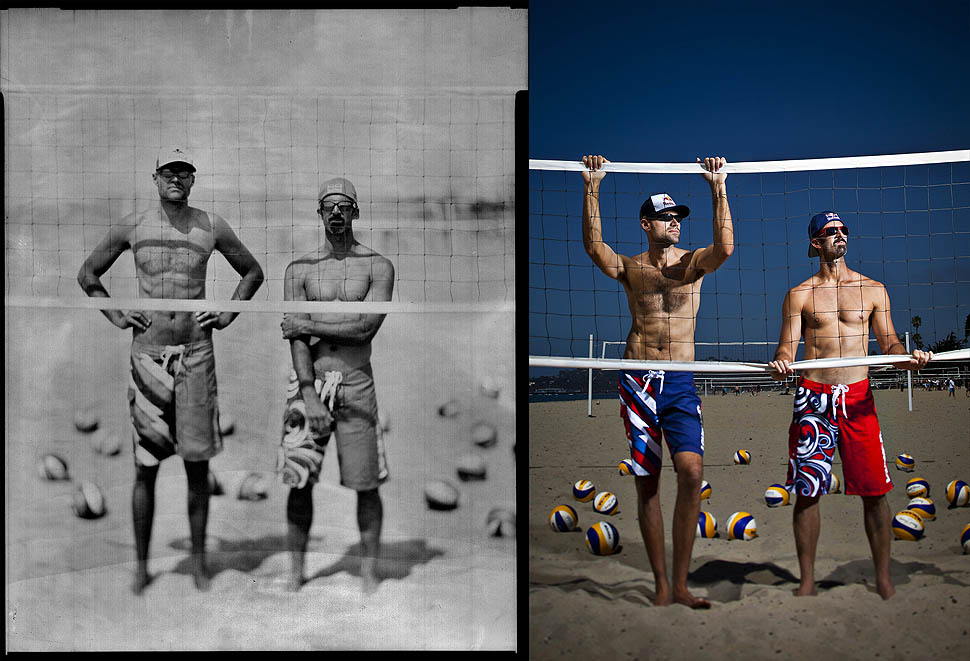
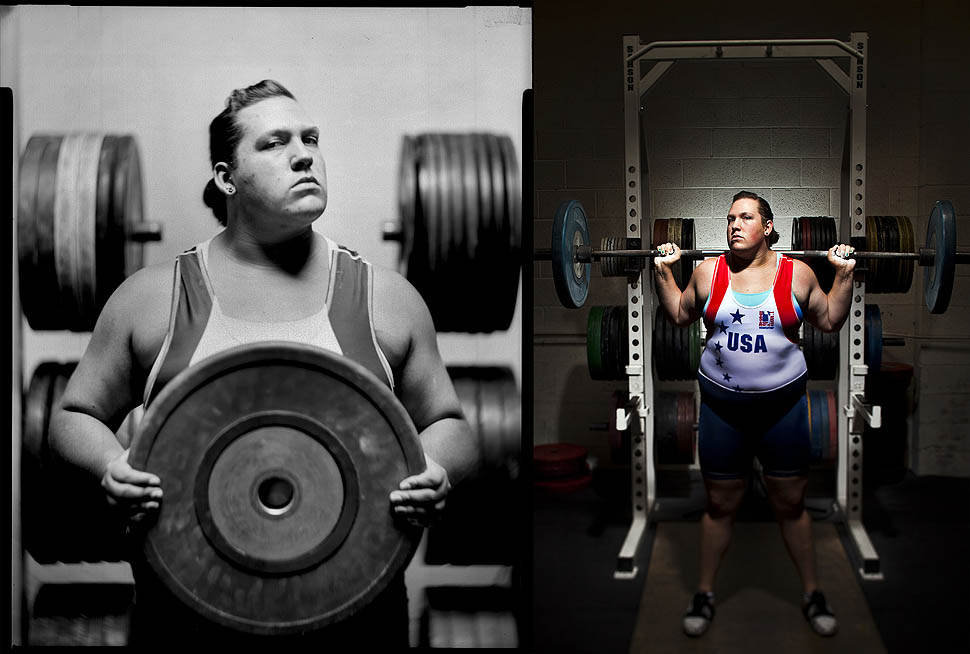
L.A. Times photographer Jay L. Clendenin photographed Olympic athletes before they went off to London. He used both a digital and an analog camera. A Canon 5D Mark IIs and a 4×5 inch field camera with a 100+ year oold Petzval lens. Perhaps he had the same discussion and was planning on showing everyone that both ways can deliver wonderful photos. By placing the end results next to each other, the differences become very clear. It’s a game of depth of field against vivid colors. Take your pick. I love them both. So Old vs New? Nah, Old + New is just fine. Watch the video clip below to see Clendenin in action.

LA Times Framework blog

Read More

In Full Swing

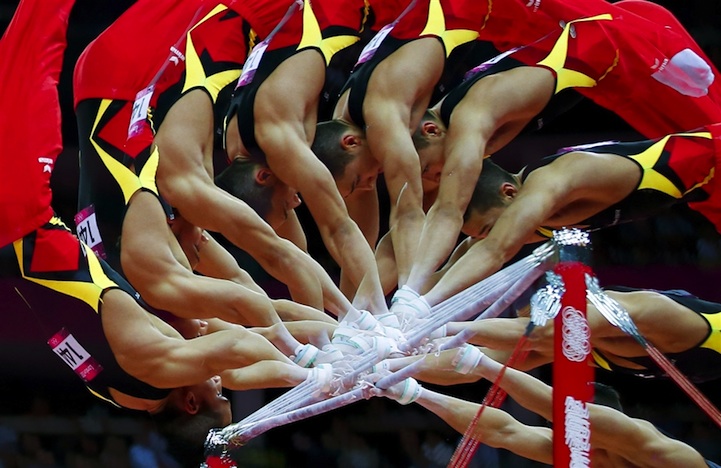
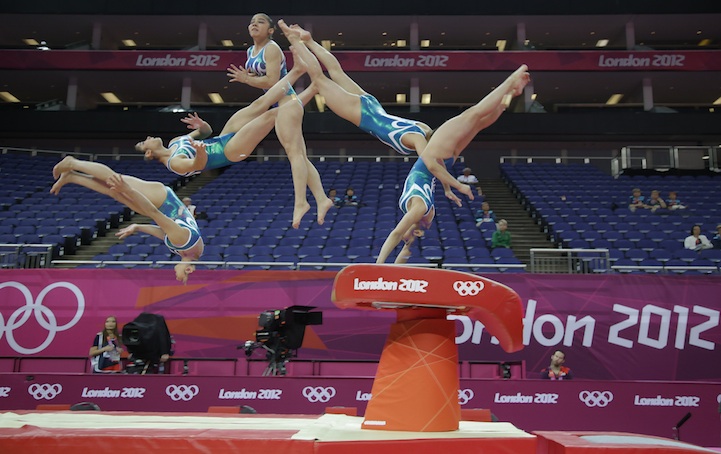
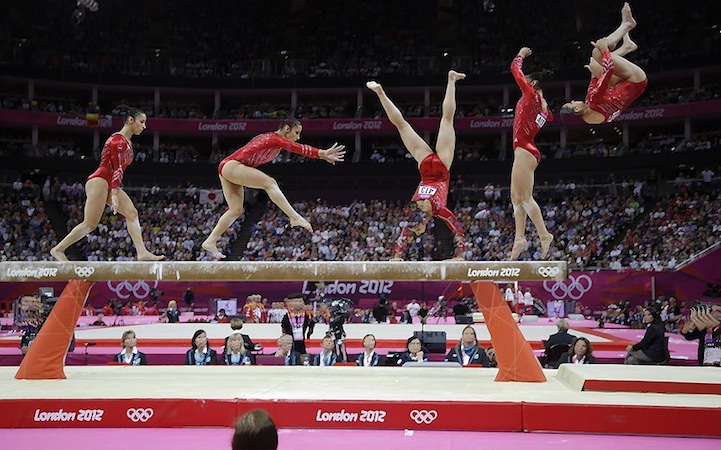
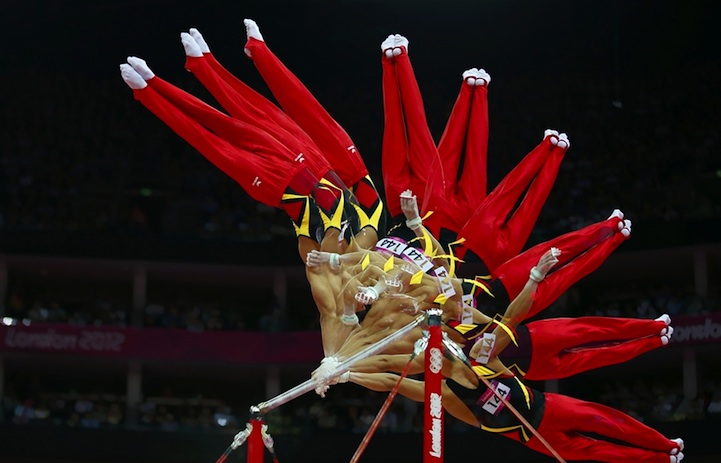
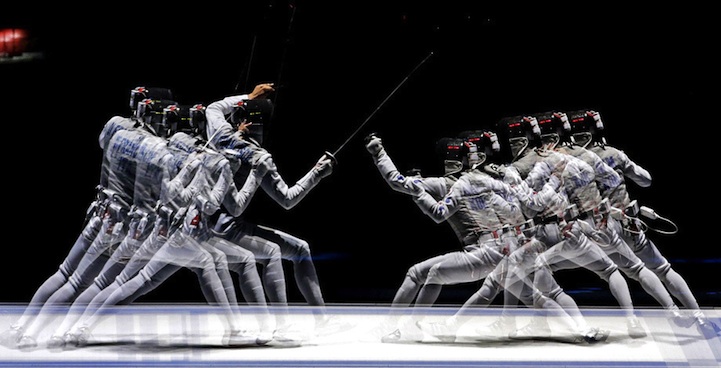
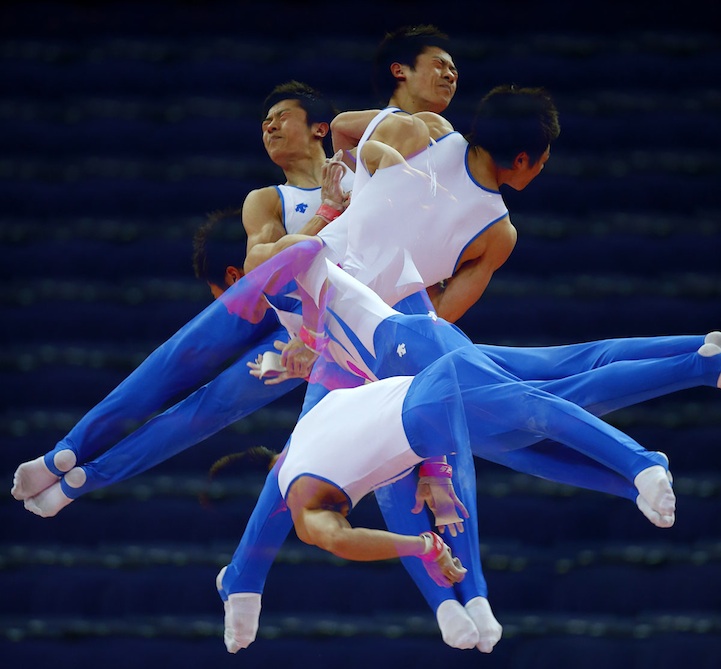
The Olympics are in full swing. And of course the media is trying to capture all the events in the best and most beautiful way possible. But still images lack a certain something compared to video when it comes to sports. Mike Blake is trying to give photography back that certain something. He is senior photographer for Reuters and trying to achieve something special with the medium we all love. With a system build by Fabrizio Bensch and Pawel Kopczynski, he gives us something video can’t.

For Reuters they developed this system to shoot multiple exposures in one frame. This isn’t new in the world of analog photography or even in digital photography. With Photoshop and all. But cameras are getting better and better, today they allow you to shoot multiple exposures in one frame directly within the camera. No need for expensive and time-consuming software tools. And with the system created by the two gentlemen they are able to stream the photographs into Reuters’ remote editing system. And so the photos can be sent off to clients just minutes later.

Now you can enjoy all the movements an athlete makes within just one single image.

See all the wonderful Multiple exposures here: Reuters.com/…

Read More

Intense Olympics

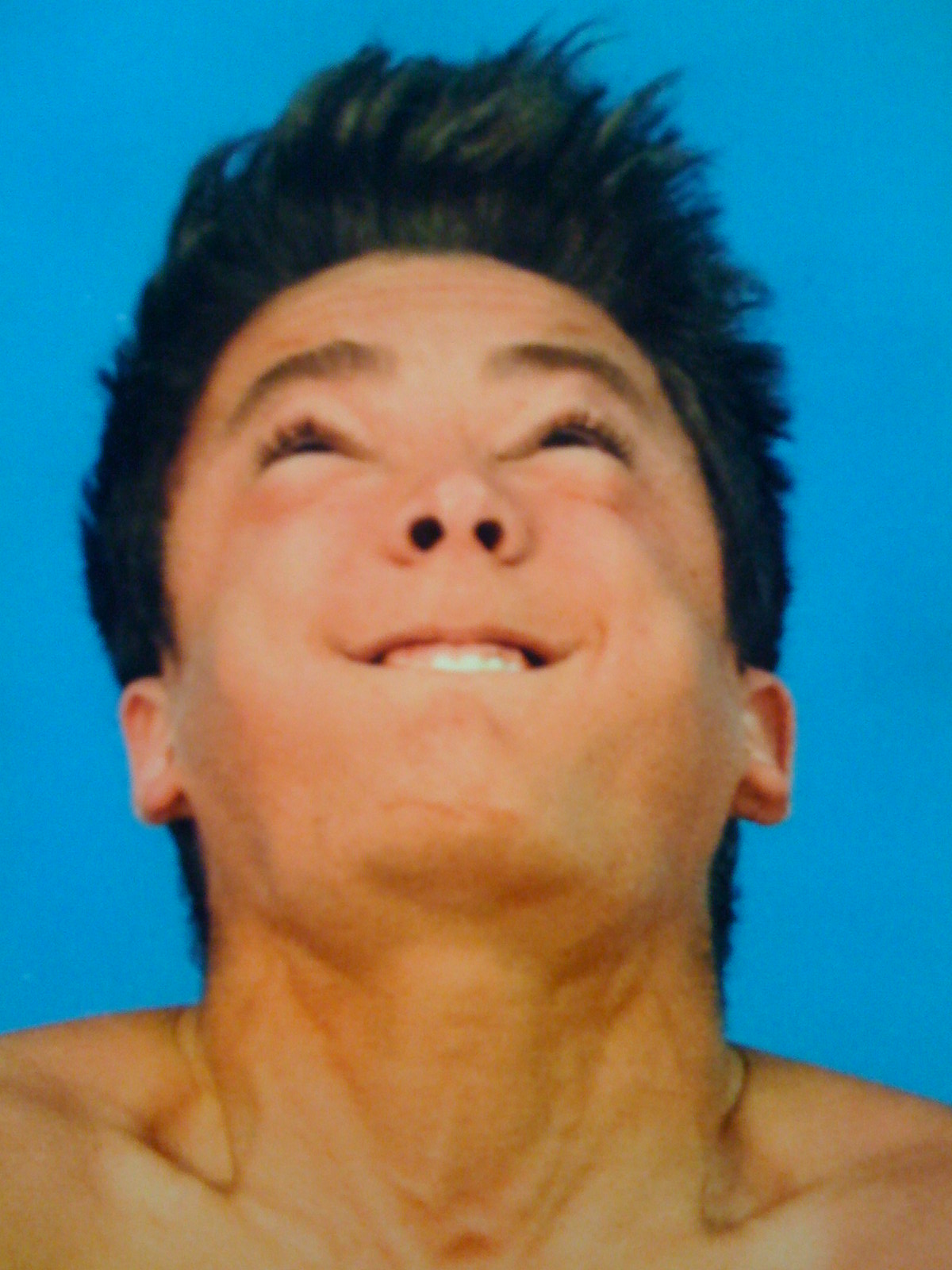
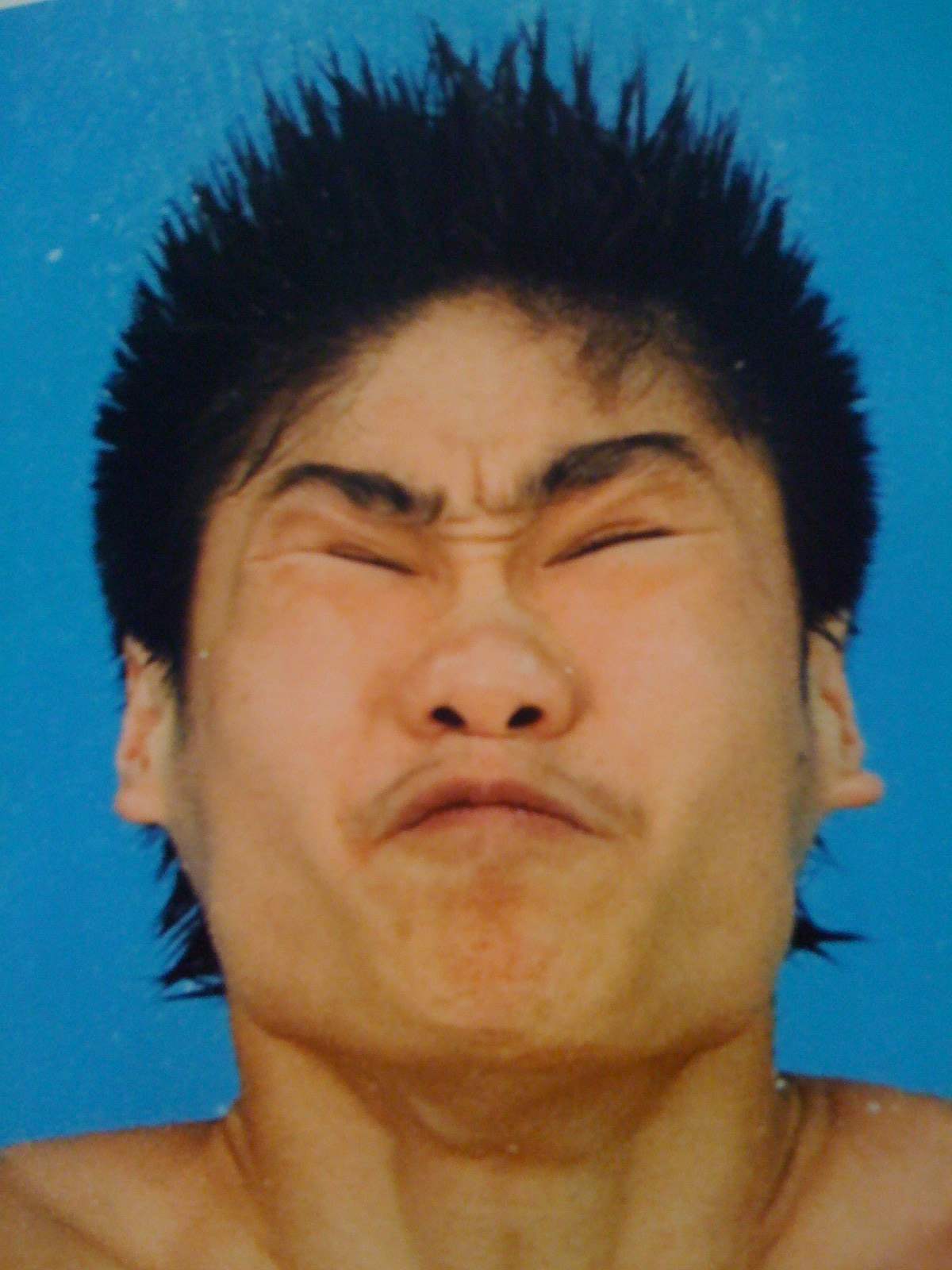
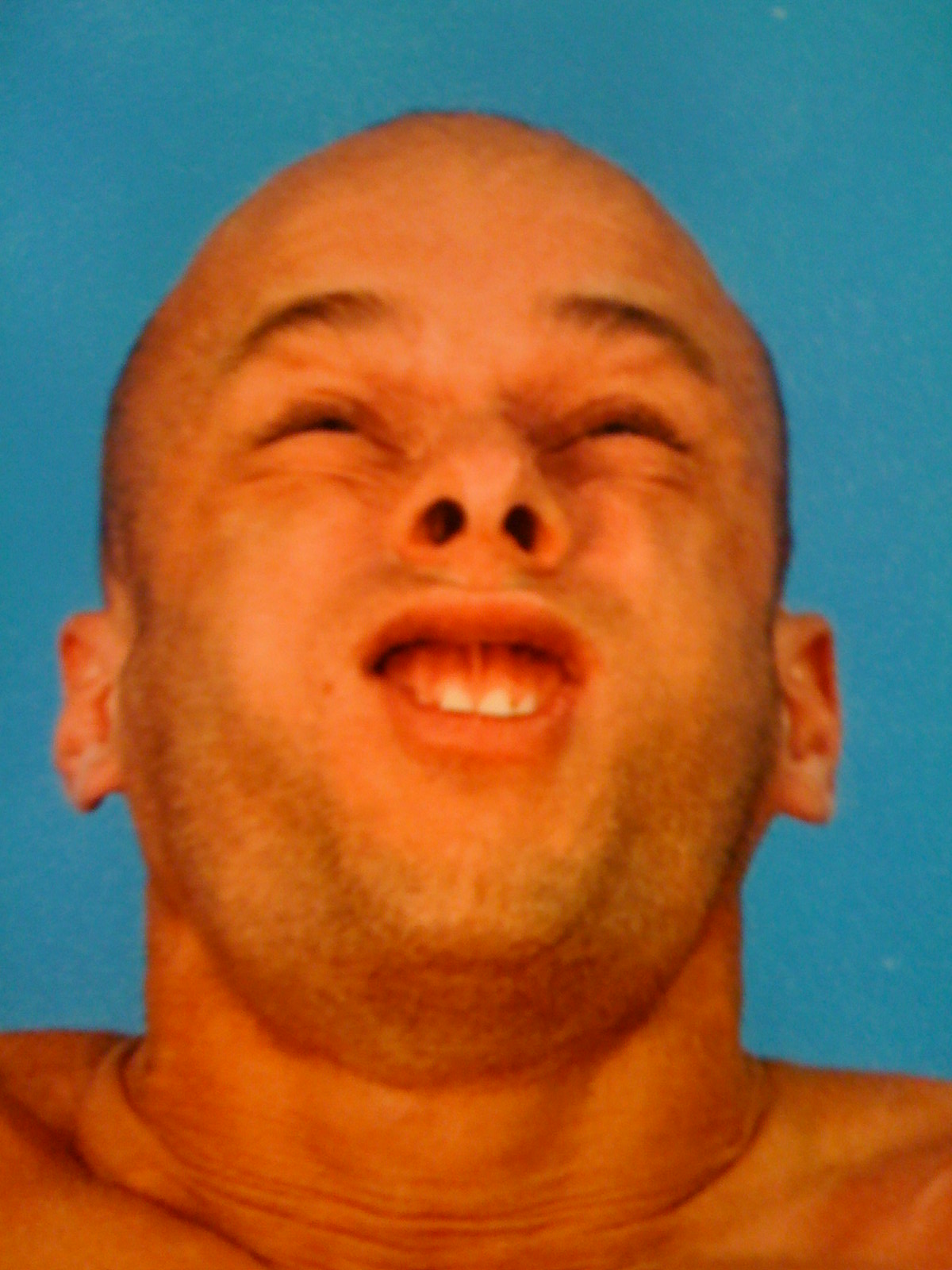
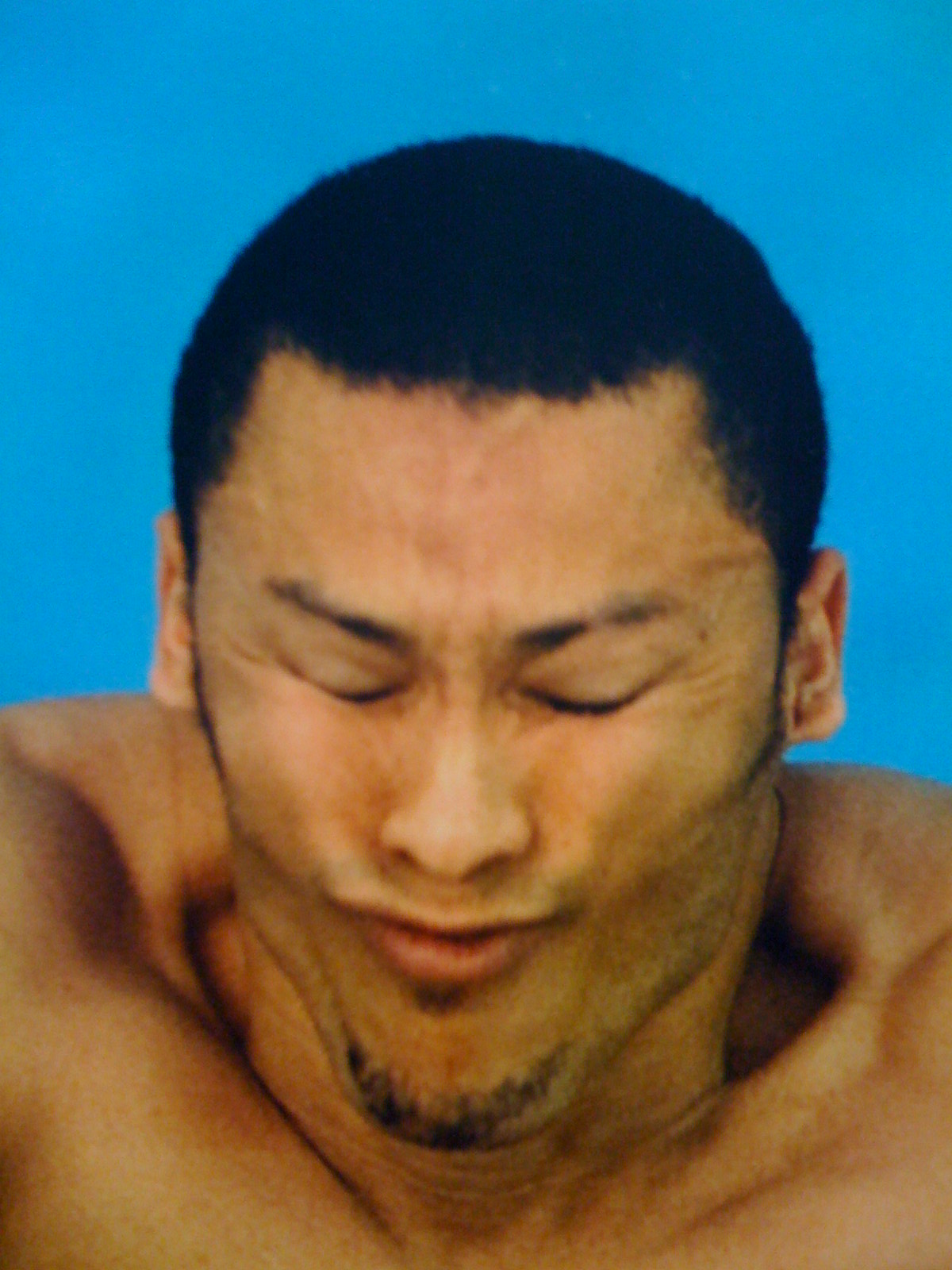
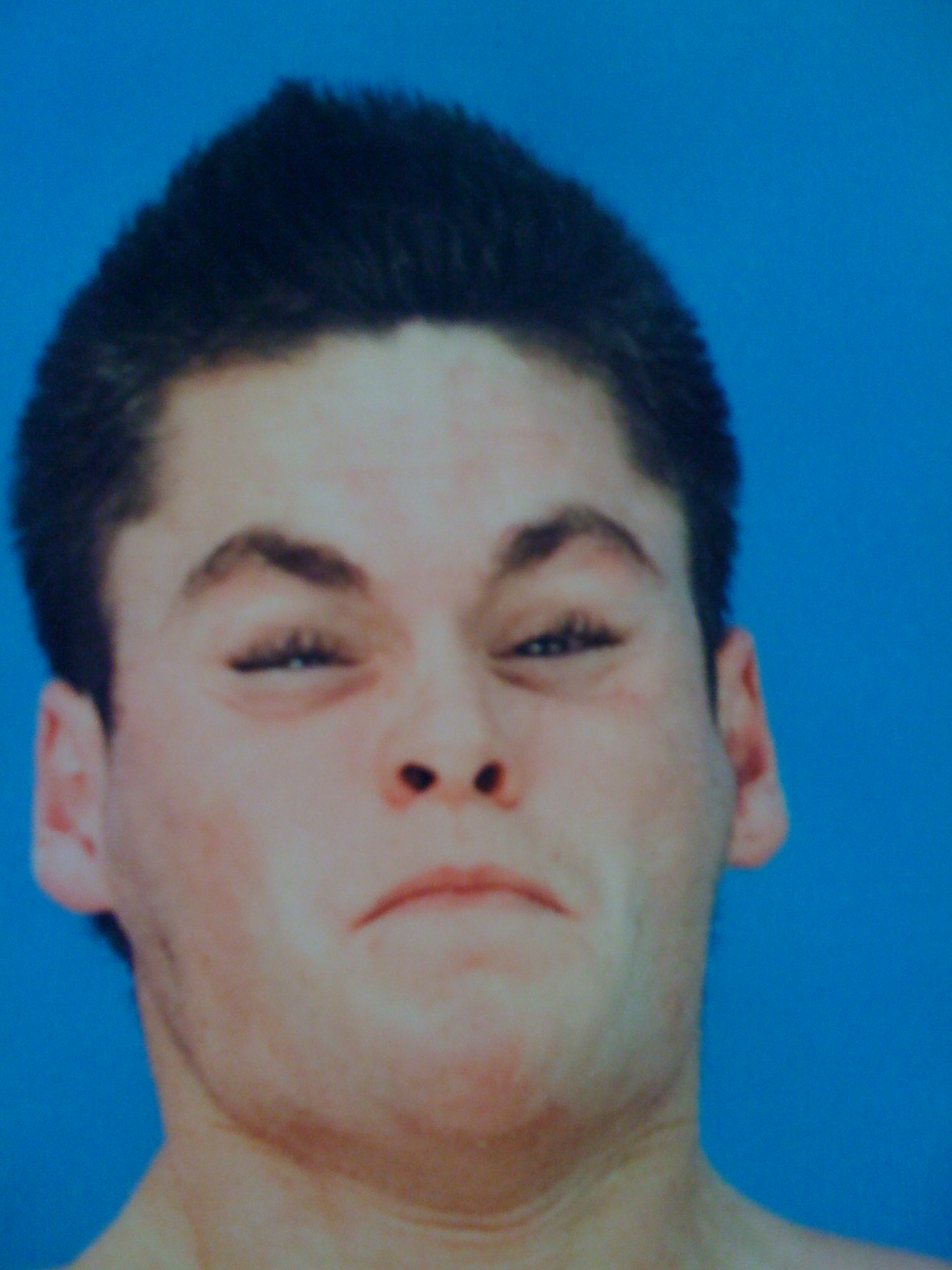
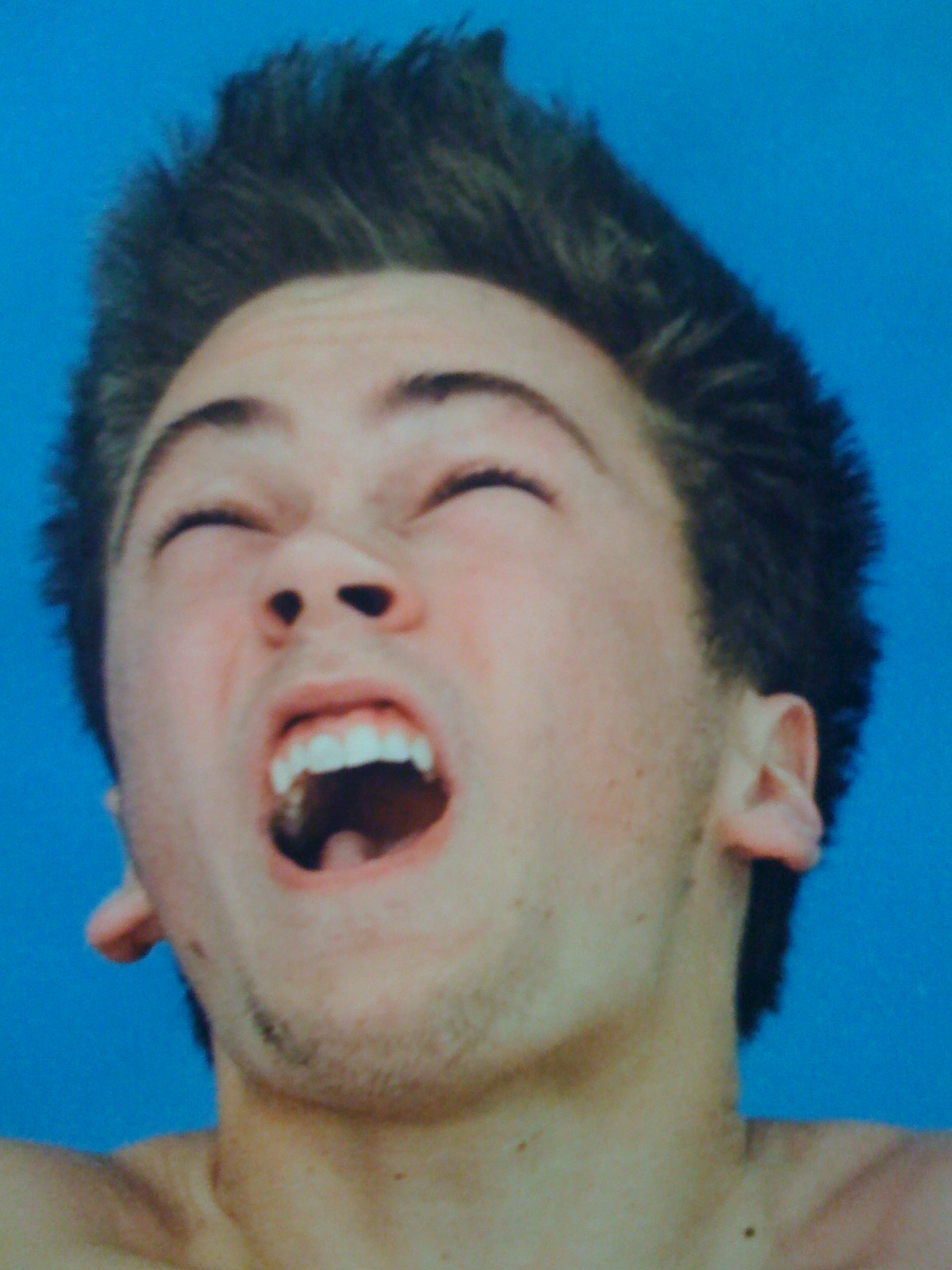
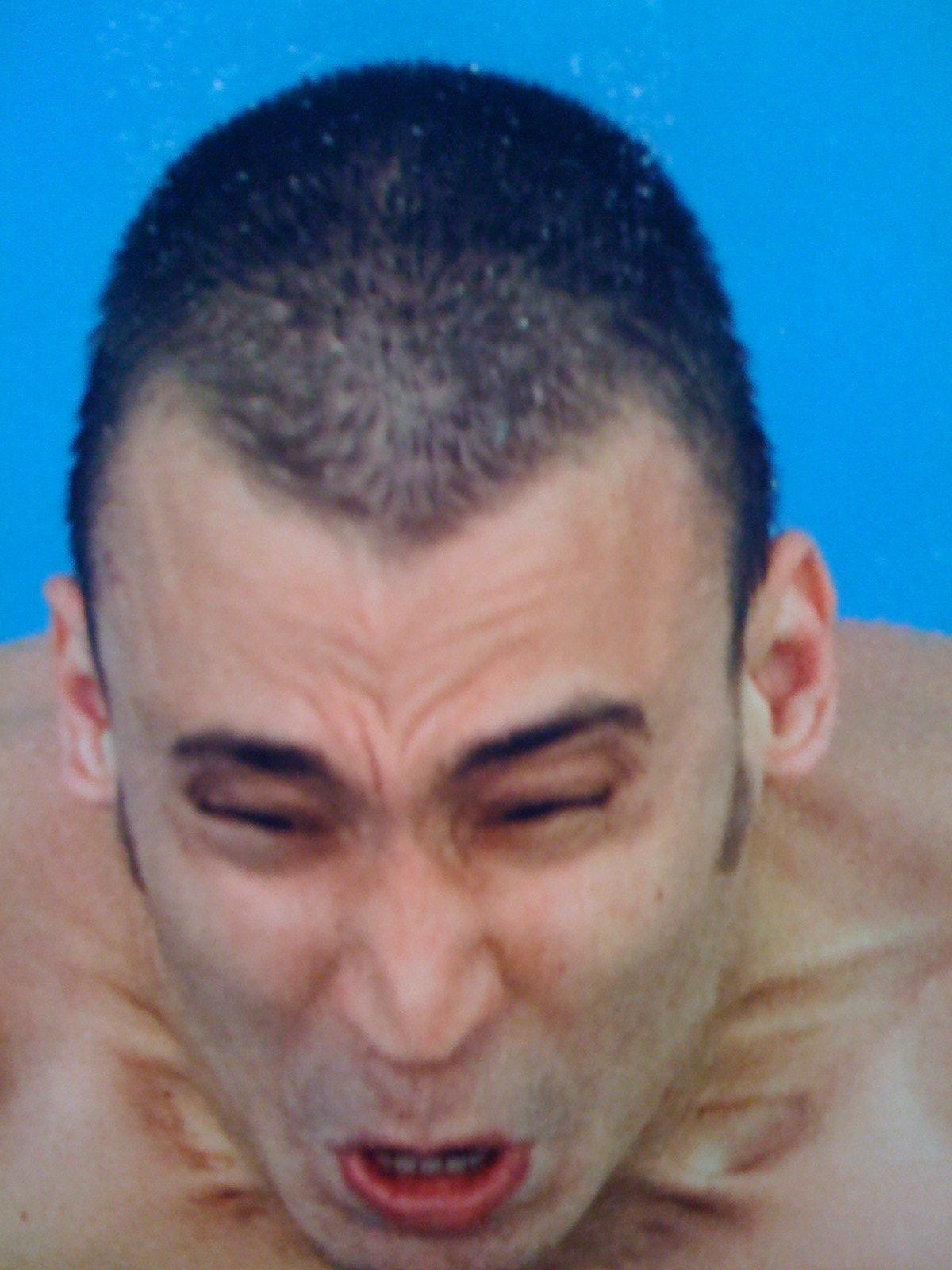
The Olympics are almost a week on their way now. Many medals have been won and many tears have been shed. Hours of training resulting in either eternal bliss or quite the opposite. All those sports and emotions reminded me of a photo series.

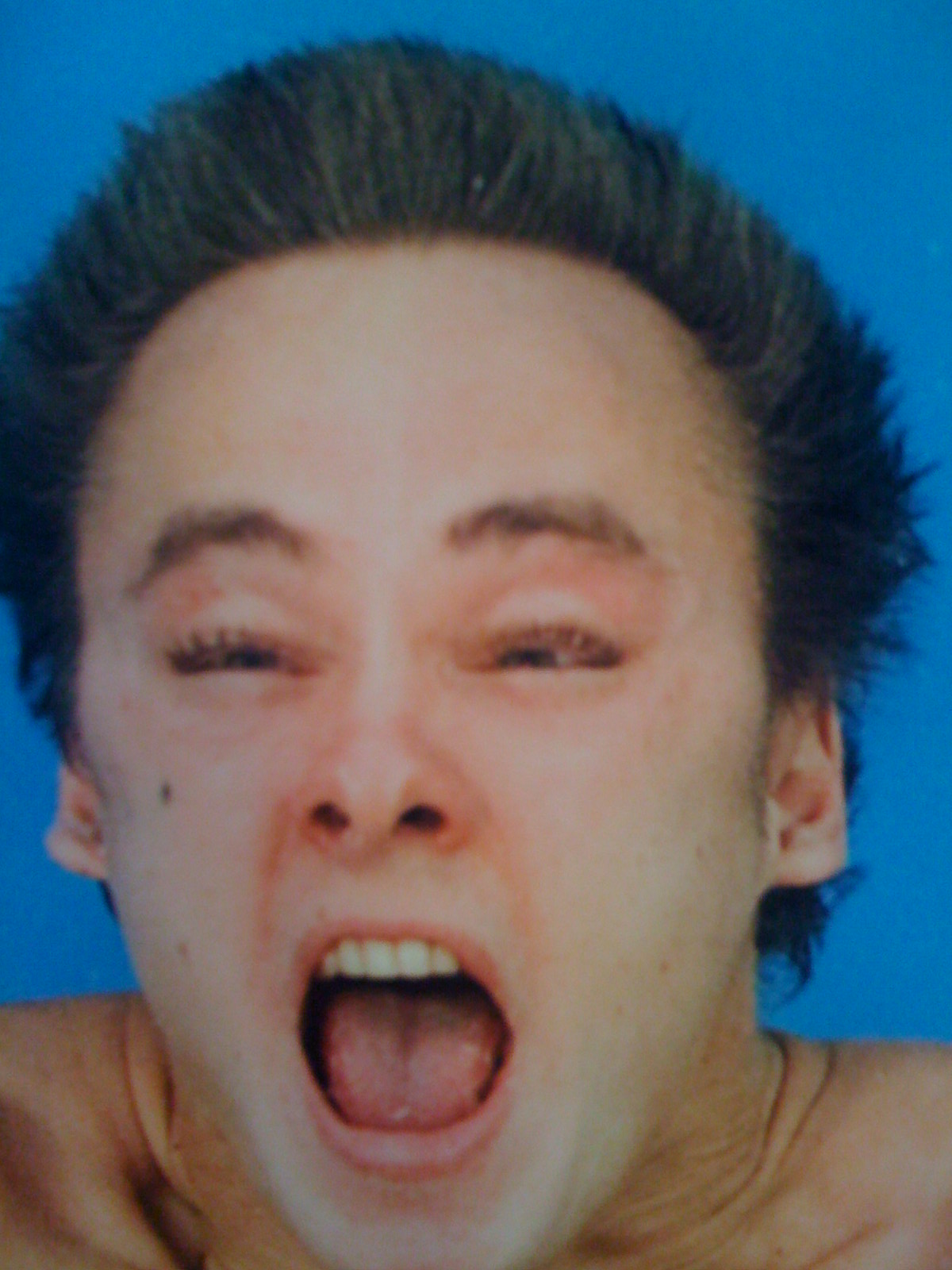
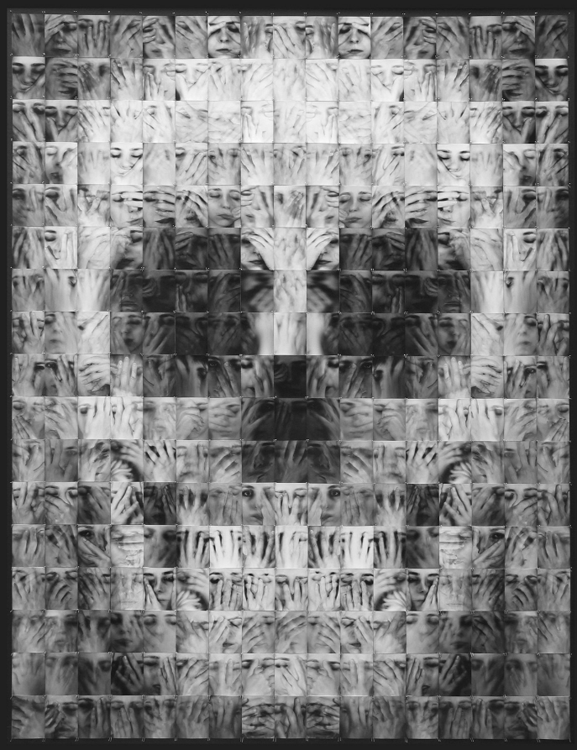
Back in 2009 I visited the World Press Photo. The photo series the Olympics reminded me of was that of diving men by Vincent Laforet. I liked the photos. But being a photography student at the time,  I felt the need to edit the photos. By taking some pictures with my mobile, I cropped the pictures in a way that the photo’s context didn’t matter anymore. All that is left are the faces of men doing something intense.

Vicent Laforet’s website: www.laforetvisuals.com
Read More

People of the West

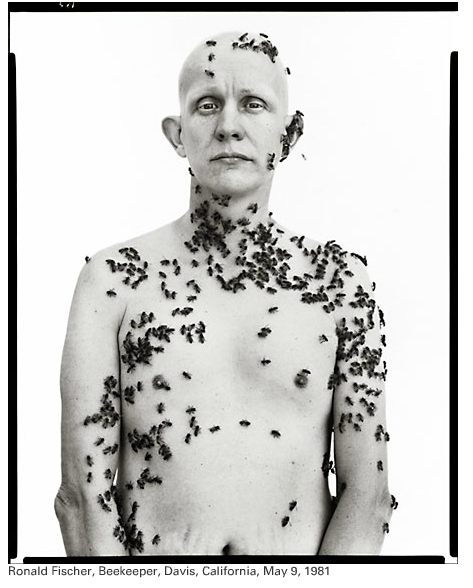
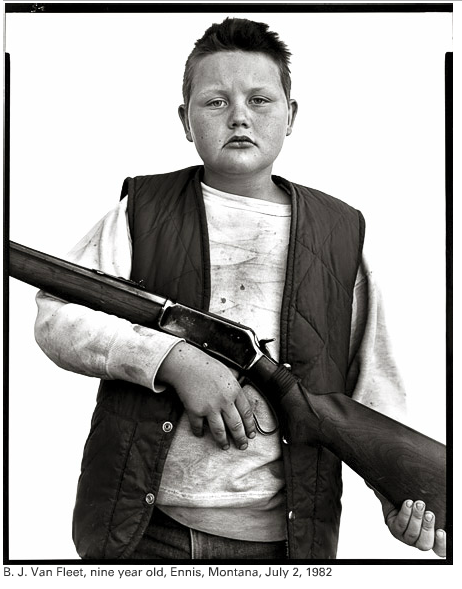
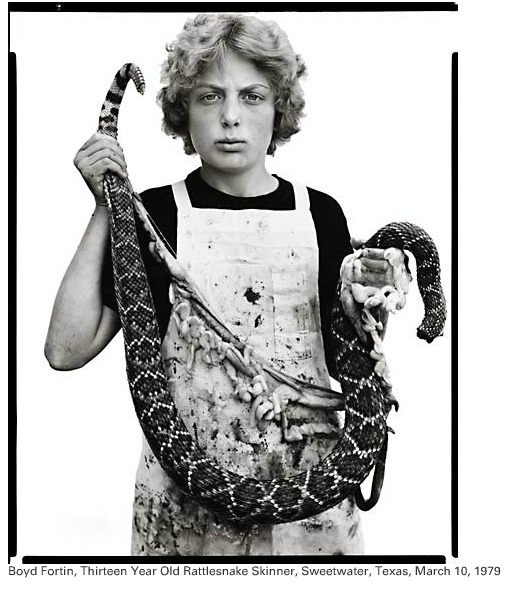
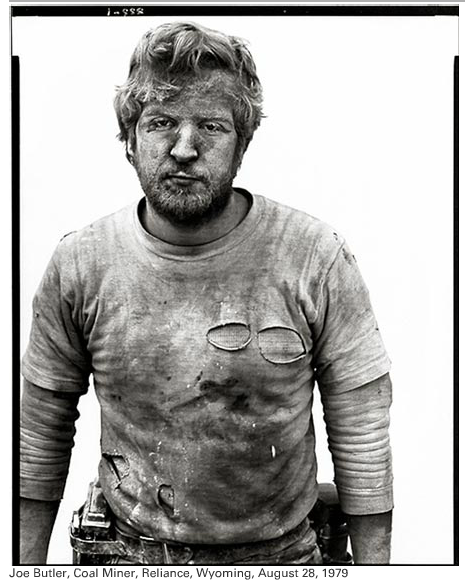
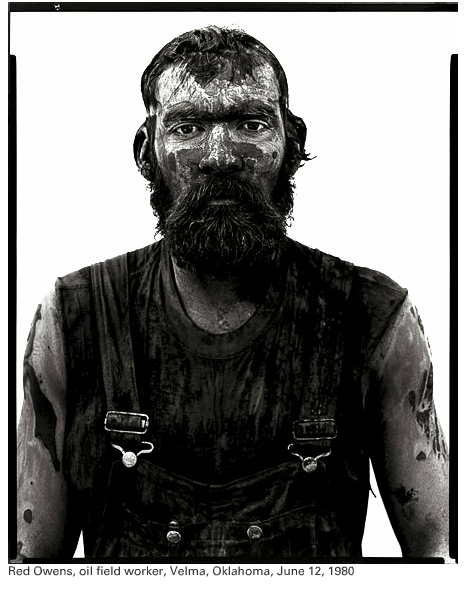
One of the great photographers of the 20th century, and it’s a shame he hasn’t been mentioned on PforPHOTO before, is Richard Avedon. He was famous for both his fashion as his portrait photography. His photos were published in different magazines. E.g. Harper’s Bazaar, Vogue and Life. But before I get lost in all of his work for magazines, I like to focus on his portraiture work. And especially his series In the American West.

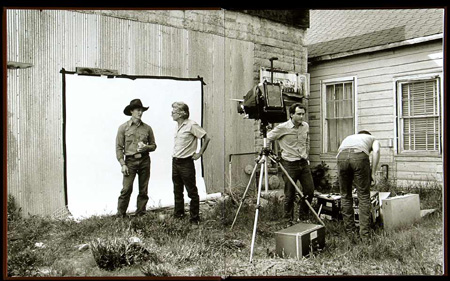
In the American West came about during 1979 till 1984. He portrayed the working people of the west. Such as miners and oil field workers. But also unemployed drifters and the teenagers who grew up in the West. He photographed each individual on a plain white background. By using a large format camera the details of the photographs are just amazing. You really get to see the people of the American West, up close and personal. This series really shows the power of photography. With only a white background and a camera Avedon shows us a simple yet effective way of portrait photography.

Read More

All Different Shades of Mankind

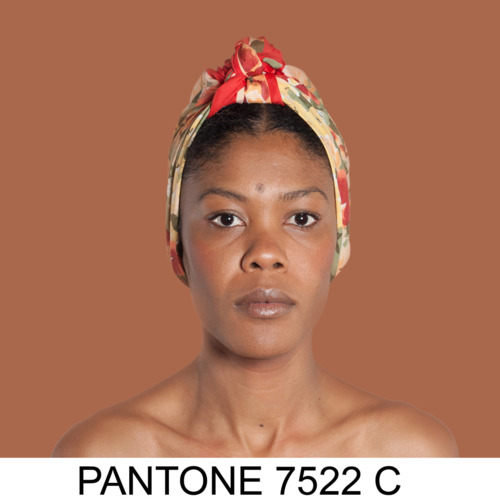
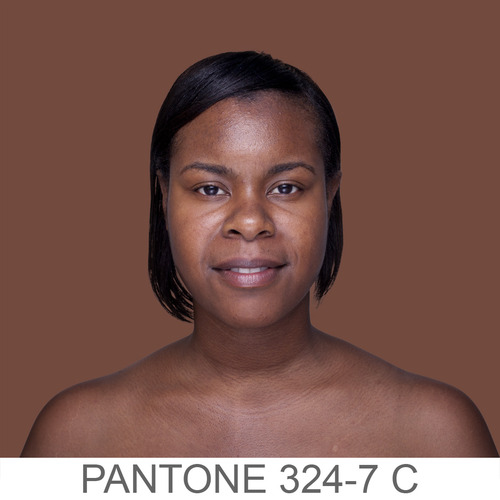
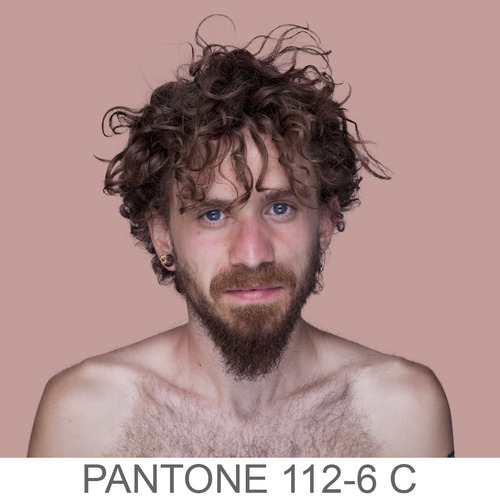
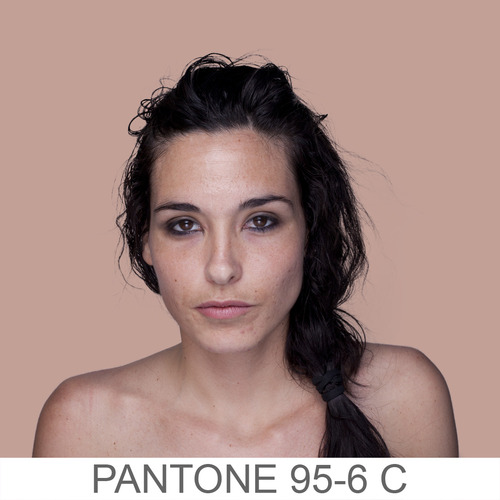
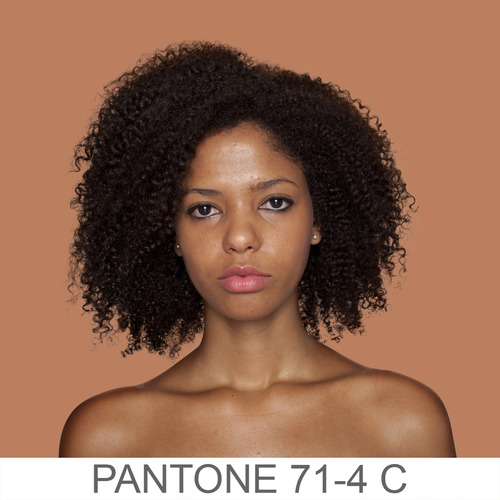
The color of the skin has been, and unfortunately still is, a reason to discriminate. Somehow we human beings have to label people for our own comfort. And the first impression of someone is one of the mayor influences in this labeling process. But how many colors are there? If you say a person is black, brown, white, yellow, red or something in between, what do you really mean? We only have a few words to define so many colors.

Brazilian artist Angelica Dass started a project called Humanæ. She strives to record and catalog all possible skin tones. By using the PANTONE® color scheme. Visit her website and look if your skin can find a matching PANTONE®  code. A wonderful project showing us that there isn’t just one black, white, or whatever.

Angelica Dass’ website: humanae.tumblr.com
Read More

Raw Emotions Captured

Babies are born every day. According to Wiki; a staggering 255 babies every minute. As a photographer babies and small children can help in generating a steady income. Since there’s an endless flow of the little ones. Anne Geddes became famous with her baby photos. She shows us the sweet and cute side of those tiny human beings.

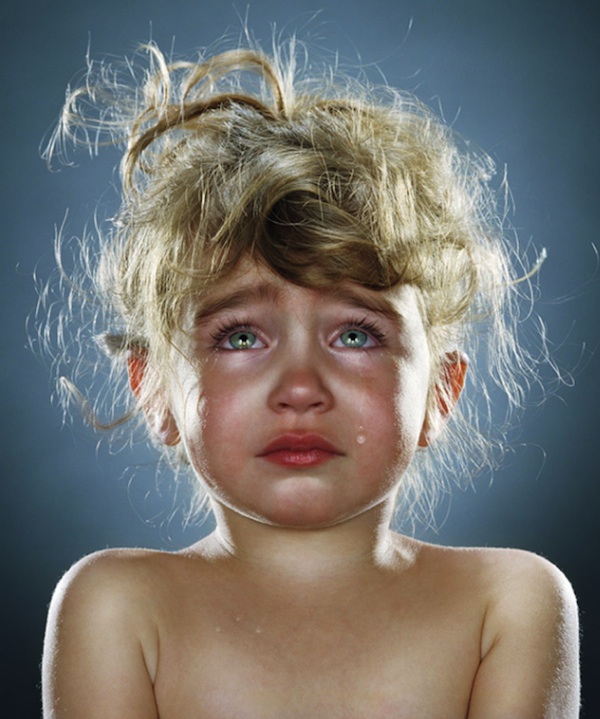
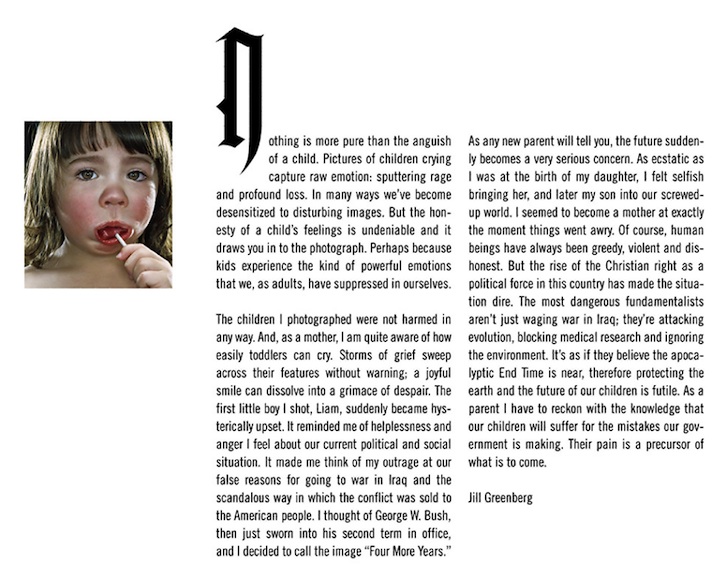
Jill Greenberg on the other hand is showing us a the opposite side. She shows us a side that has nothing to do with cute or with sweet. But a side of us human beings, that we all know too well.  When children are not getting what they want, don’t want to go to bed or travel along on an airplane. Jill Greenberg gave the kids in these photos some candy. And just before she released the shutter she took the candy away. Resulting in a wonderful yet little unsettling portrait series. That side of us we don’t really like to see photographed. That side that we as adults have learned to suppress.

Read More

Distorted Self-image

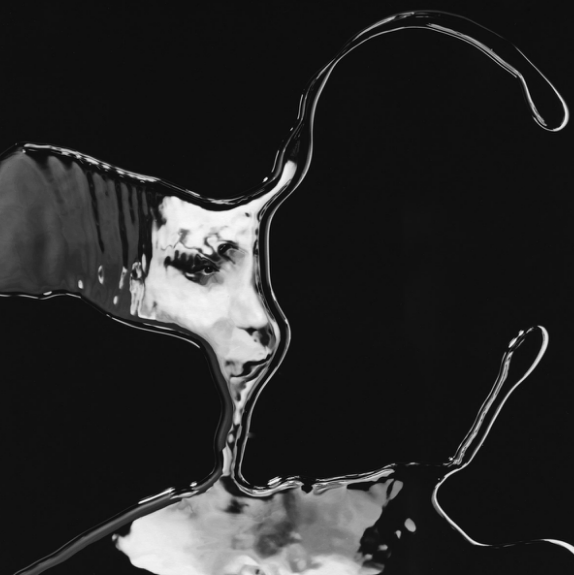
Every artist will create a self-portrait once in a while. Whether it’s a study to try out some new ideas or a piece of remembrance for history’s sake. Rembrandt did it. Picasso did it. Cindy Sherman became famous with it. And today it seems that Photoshop gives photographers the same freedom every painter enjoys when creating something. Yet there are still artists out there who create everything without that useful digital tool.

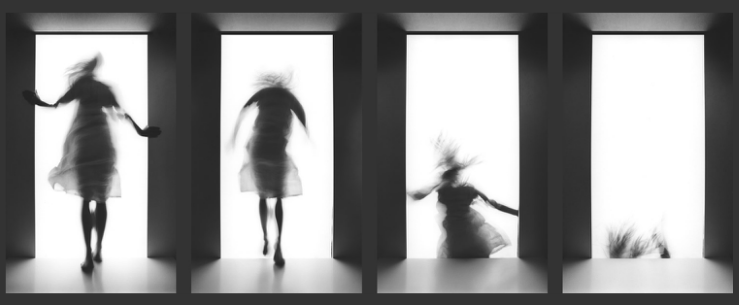
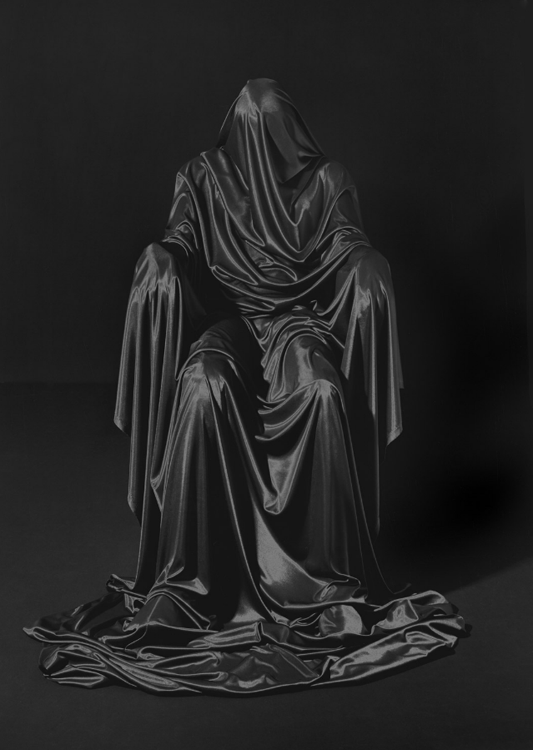
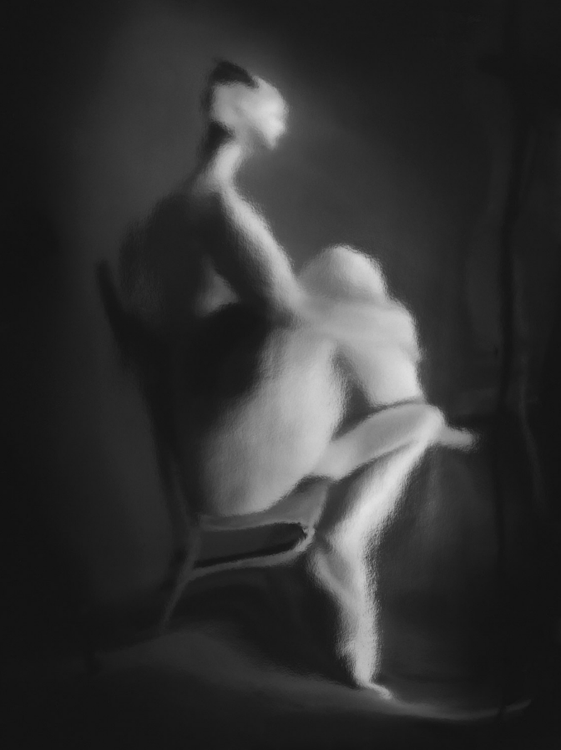
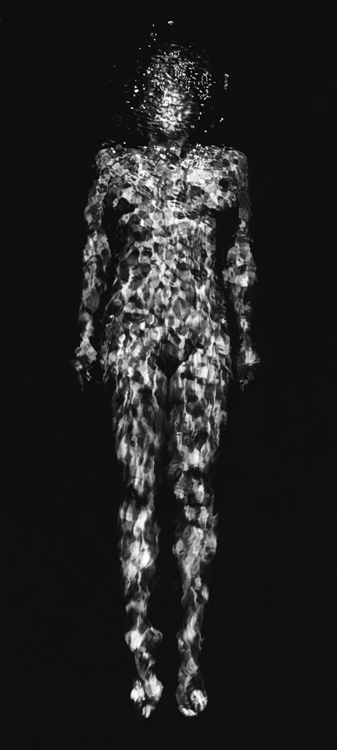
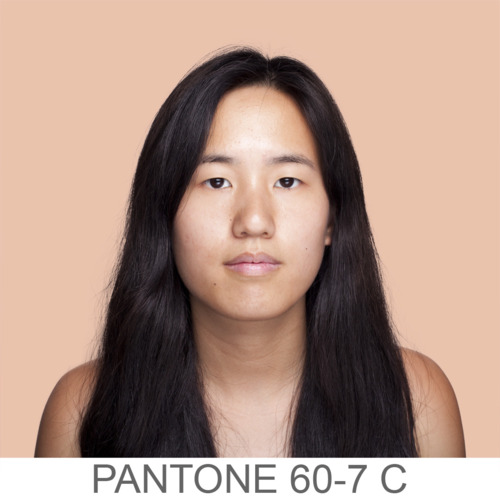
And that makes the work of Laurence Demaison, French artist, even more wonderful and special. She’s an artist who shoots on film. The photographs are not manipulated afterwards. Sometimes she does play around with the chemicals a bit, but that’s it. Her work consists out of self-portraits that give me a sense of deepness and seriousness. The distortion of herself seem to resonate a deeper meaning. A meaning that go further than only her self-image. Often the finished images shows us a figure, not immediately recognizable to be Laurence herself. Her work brings me in a melancholic state of mind. What it does with you? I don’t know. Visit her website and see for yourself.
Laurence Demaison’s website: www.laurencedemaison.com

Read More