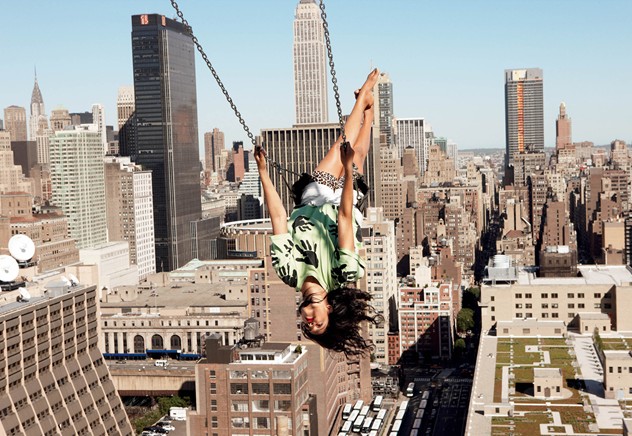
Foam and The New York Times Magazine

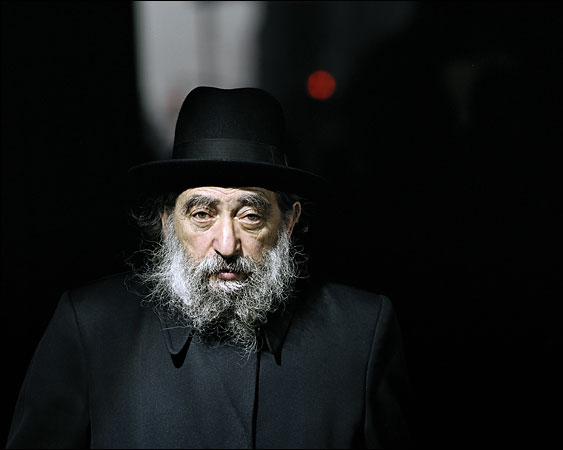
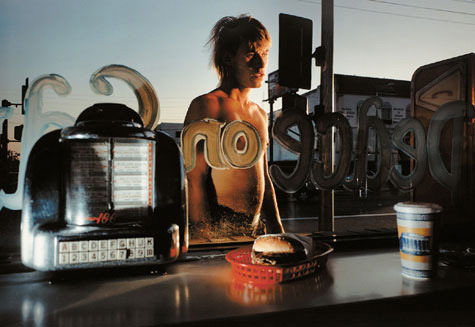
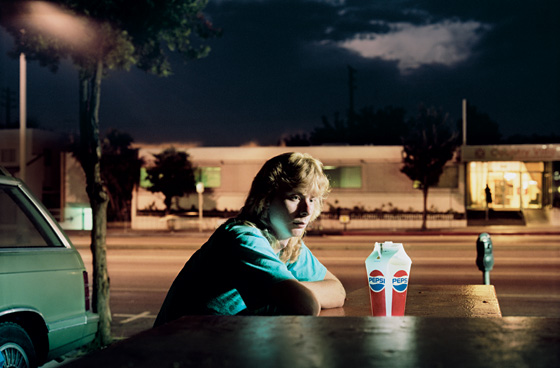
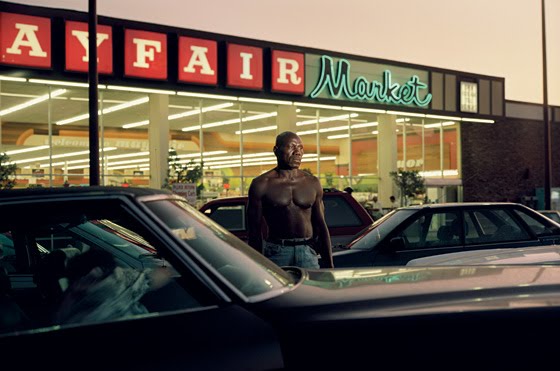
If you find yourself in Amsterdam you should really try to bring a visit to Foam. The museum that is all about photography. Go there to look at some new talents, works of the greatest photographers around or a collection of photography presented by The New York Times Magazine.

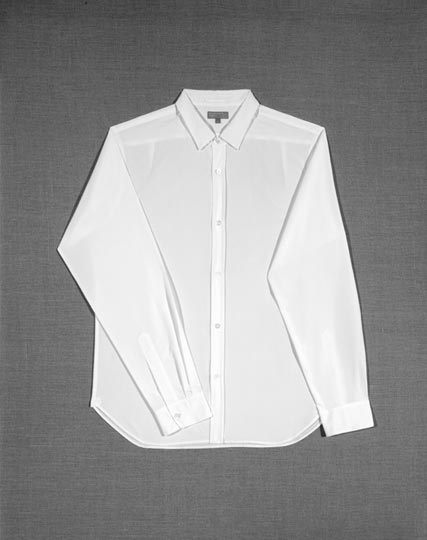
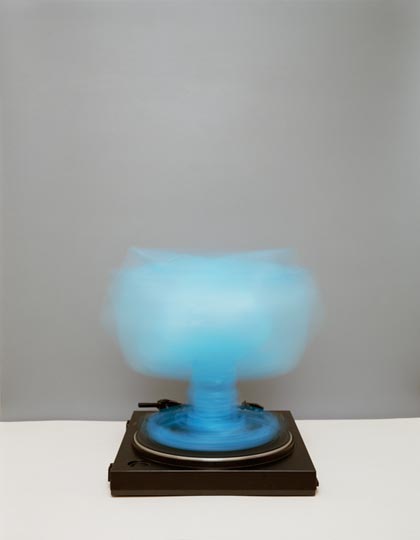
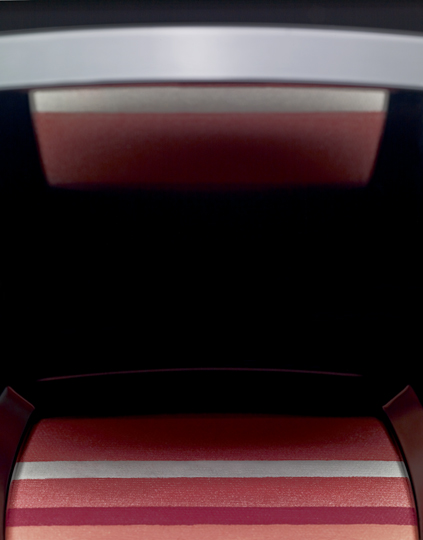
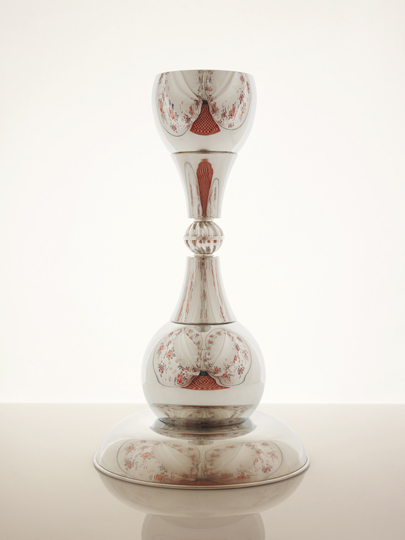
If you’re interested in the way a major magazine goes about the choices of selecting and commissioning photography, then a visit to Foam now will be a true treat. From the 23rd of April to the 30th of May Foam presents “The New York Times Magazine Photographs”. Please watch the video below for a more detailed explanation of this exposition.

Websites:
Foam Amsterdam – The New York Times Magazine
The New York Times Magazine
Foam Amsterdam
Read More

Carefully Composed Works of Art

Photography has evolved through out the years and is getting more and more respected as an art form. Perhaps Man Ray really kicked off the conceptual kind of usage of the camera.

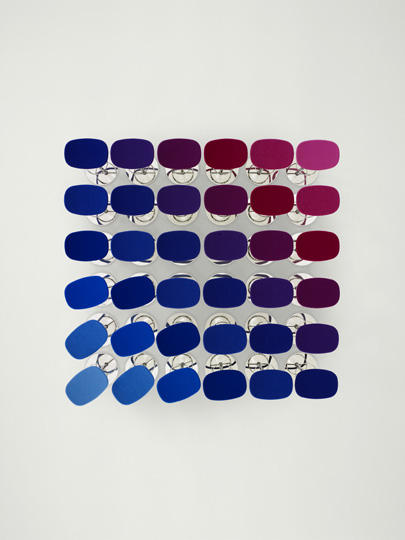
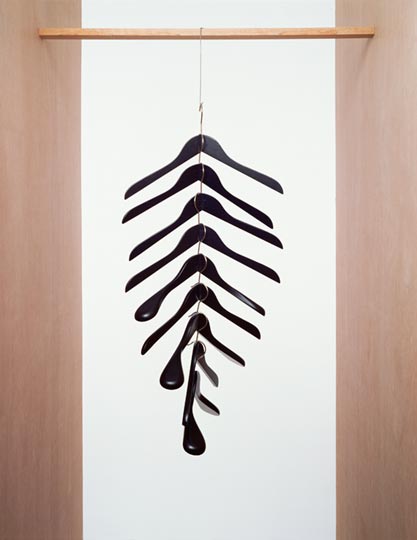
Still-life photographer Maurice Scheltens and visual artist Liesbeth Abbenes are artists, like Man Ray, that have a truly conceptual approach to photography. The photos they compose are created by looking at shape and color. The overall composition is the important factor in their creations. Some of their work even reminds me of paintings by Mark Rothko.

Scheltens & Abbenes take ordinary objects like hangers or chairs and manage to place them in such a way that their shapes or colors brings about something truly abstract. They make us look at the objects not for what they are but for what they can be. Shape over function. It makes us look differently towards any given object. Wonderful photographs that will look beautifully on any living room wall.

Website: www.scheltens-abbenes.com

Kunstuur (Dutch) – In Sight: Scheltens & Abbenes

Read More

True Craftsmanship

Photography is everywhere. Because of cameras getting smaller and smaller every day, the art-form is available to everybody. We see a flood of image making across the web. And with Facebook and Twitter, sharing was never so easy.

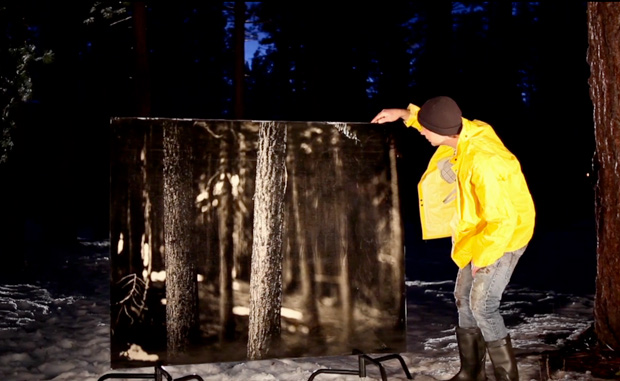
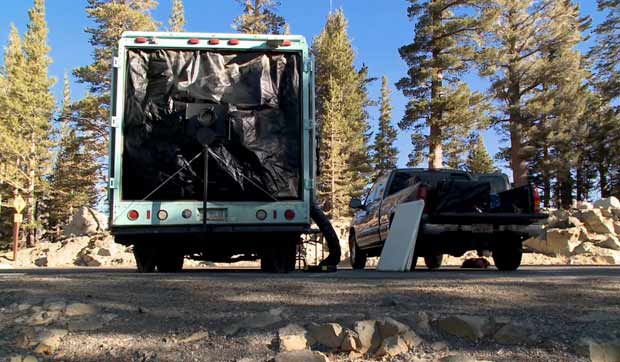
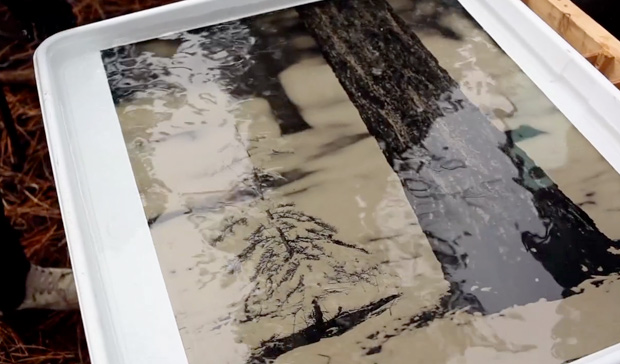
But photography started as a true craftsmanship. To make an image, one had to understand chemical processes, the adjustments of a camera and the way light influenced everything. You had to understand many thing before you were able to produce one photograph, and in the beginning of photography often a unique photograph. The first photographers weren’t really photographers. You could see them as scientists or technicians.

There is something quite poetic and beautiful about producing a unique photograph. Ian Ruhter is a modern photographer who missed the feeling of being in a darkroom. He decided to go trough great lengths to be a true craftsman. If you can spare some minutes please watch his movie below or read the interview on CoolHunting.

Read More

Religious Immersion

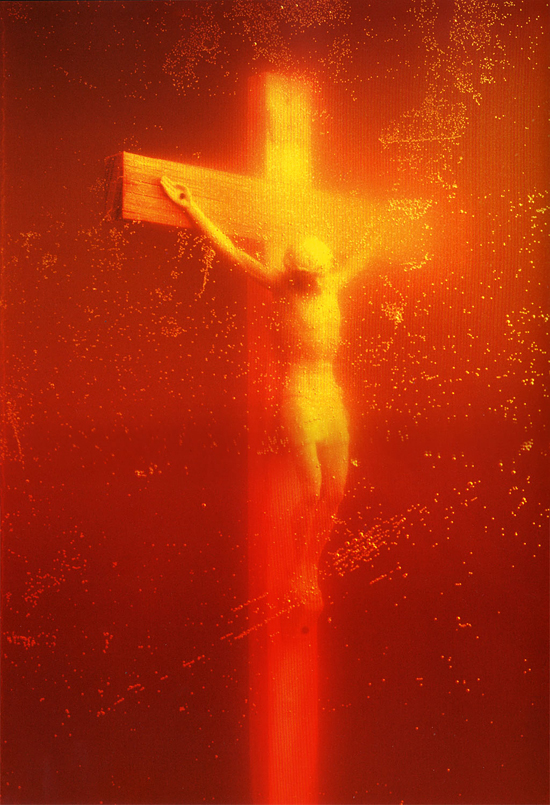
Controversy is a word that springs to mind when looking at the photographs of Andres Serrano. The American photographer became notorious through his photos of corpses and his use of faeces and bodily fluids in his work. One of the very controversial photographs was that of a crucifix submerged in a liquid. The liquid was his own urine. This in 1987 created artwork he called “Immersion (Piss Christ)”.

For Serrano this artwork was a statement on the misuse of religion. He defended his photograph as a criticism of the “Billion-dollar-Christ-for-profit industry” and a “condemnation of those who abuse the teachings of Christ for their own ignoble ends”.

On several occasions the photograph was vandalized. A print of the photograph was damaged using a screwdriver or ice-pick on April 17, 2011 while on exhibit in Avignon, France. Before that a print was also vandalized in Australia. And in Sweden, neo-Nazis took it upon themselves to ransack the art work.

If by definition art has to communicate some form of emotion, Serrano sure managed to do so.

Read More

A Dutch Master

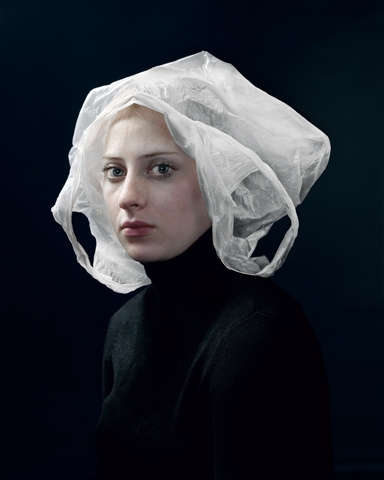
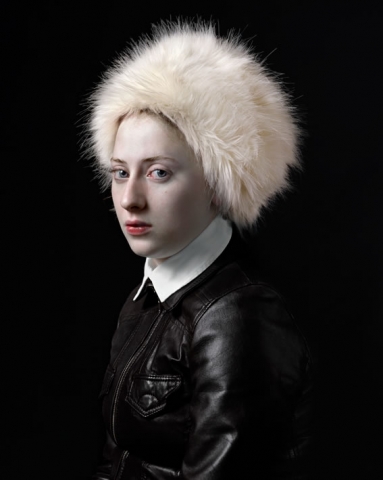
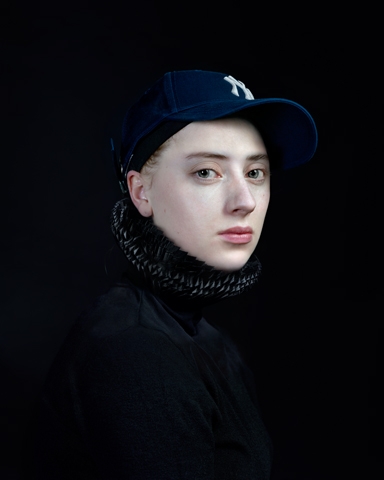
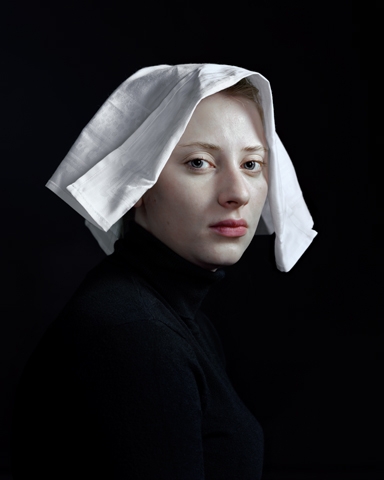
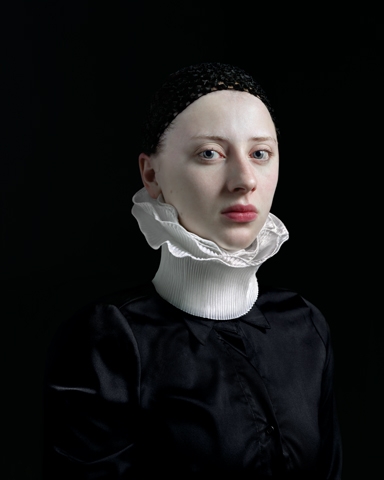
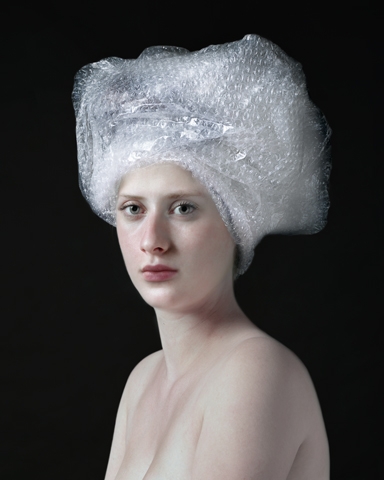
Inspired by the works of old Dutch Masters and the Italian Renaissance, Hendrik Kerstens‘ photography shows an interesting series of his daughter Paula. Important moments in her life were captured by the crisp sharp image-making of Hendrik Kerstens. The techniques he uses bears a great resemblance to the old Dutch masters.

By the use of photography, the new master gives us a mix of the greatness of the paintings from Johannes Vermeer and the likes, and the modern interpretation of this art form. By using classical poses and techniques combined with modern objects the photos send out an appropriation of the Dutch golden age of painting and the rising acknowledgment in art photography.

Read More

Travel through Paper

Travel all the way from the Sun to Pluto. Mishka Henner gives us this opportunity in his work “Astronomical“. Twelve books. Each book has 506 pages that illustrates the vastness of our solar system. This scale model brings us one million kilometers per page. This means that most pages are black. As black as space. Page one shows the Sun. Page 6000 shows Pluto. And in-between the blackness of space and of course the other planets.

Read More

Junk Development

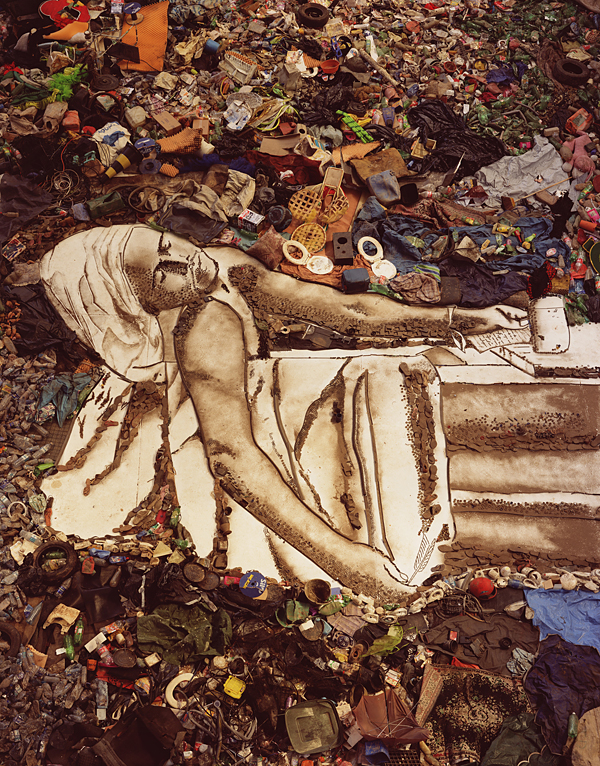
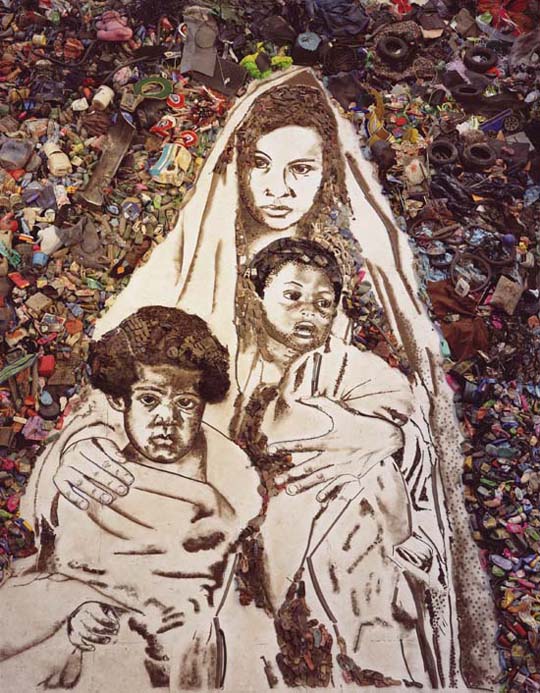
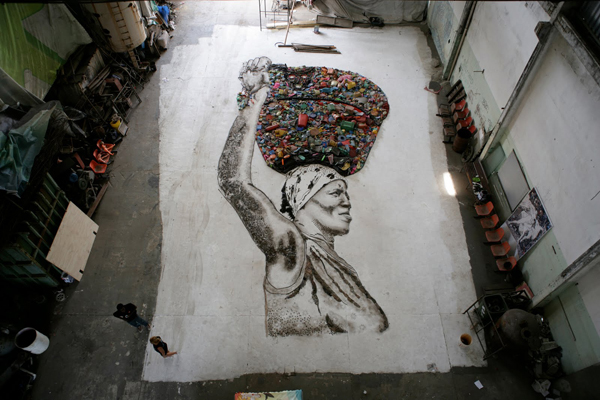
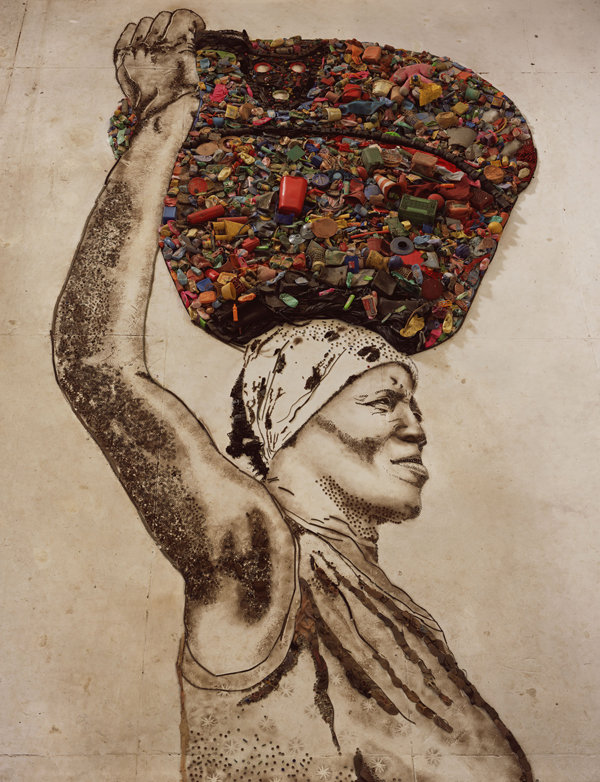
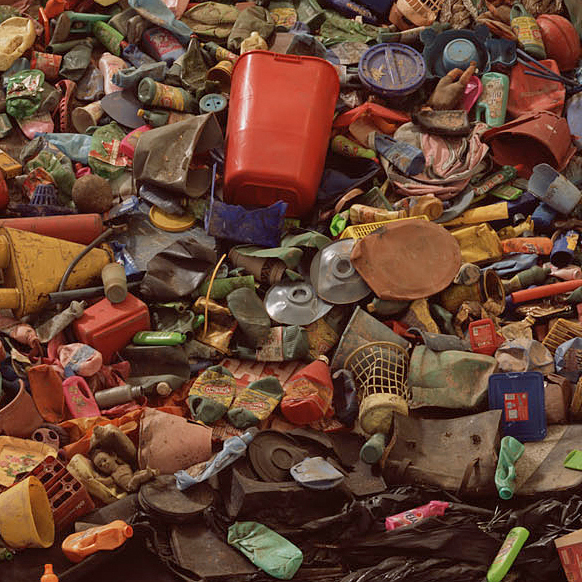
To develop an image one can use different techniques. Especially when photographing analog. And usually the end result is presented on paper. But Brazilian artist Vicente Jose de Oliveria Muniz, also known as Vik Muniz, takes a different approach. In his series “Pictures of Garbage” he uses, well its in the name, garbage.

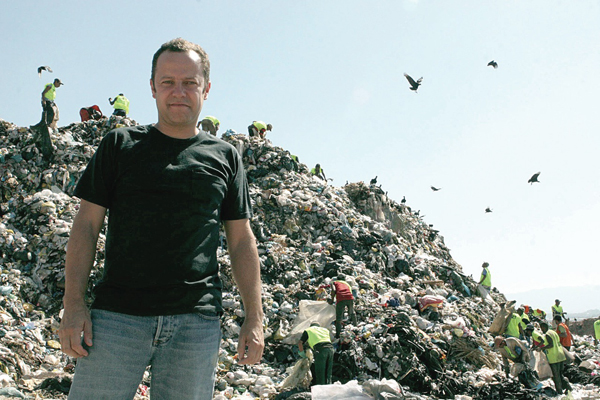
In this series he is portraying the garbage pickers of Jardim Gramacho, a 321-acre open-air dump just outside Rio that is one of the largest landfills in Latin America. In the wonderful documentary “Waste Land” we follow him during this project. In it we see the lives of the portrayed garbage pickers. We see what it means to have a job at such a landfill. We see how proud people are for the work that they do. And Vik Muniz brings it all together in those wonderful portraits. The story, the people and the proudness. Luckily for us, Vic did also developed the portraits on paper. It makes the exposure for this project some what easier.

Read More

Minds of our own

We all know the feeling. Walking down the street, or driving the car, the same route every day. During such times the mind can wander off. And sometimes you snap out of this daydream and realize you can’t remember the last couple of minutes of driving.

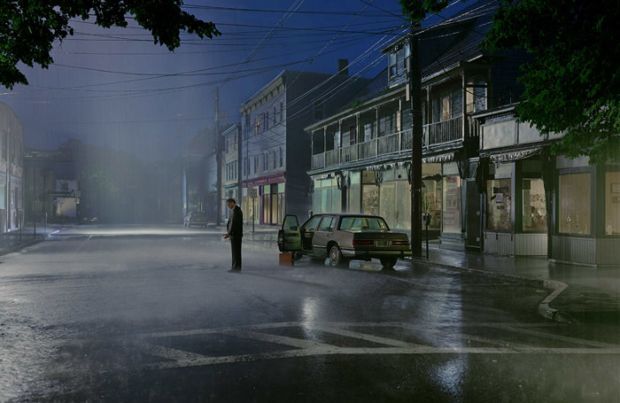
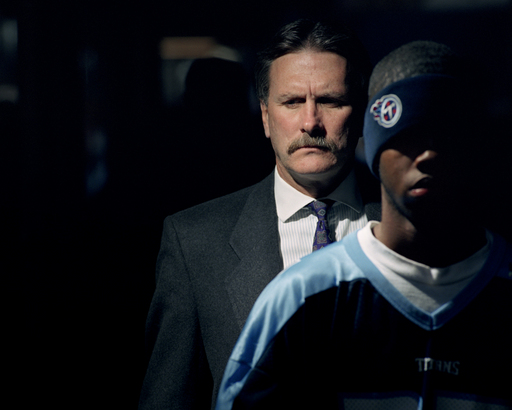
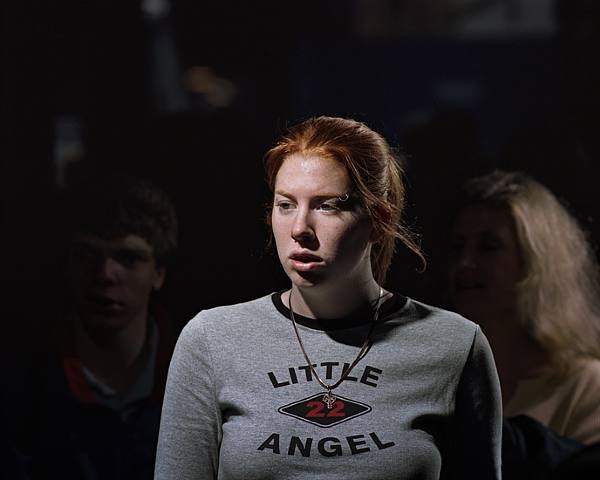
The series “Heads” of American photographer Philip-Lorca diCorcia shows us that moment in time, when our minds wander off. Dreaming about that winning lottery ticket. Or quitting your job. Maybe just about nothing at all. Just a brief escape into your own world. But also in his older works we can feel that sense of wander. It leaves us, the viewer, clueless of what is happening. The story of what we see is the story what we want to see. A same cluelessness what we get when looking at the work of photographer Gregory Crewdson and painter Edward Hopper.

Read More