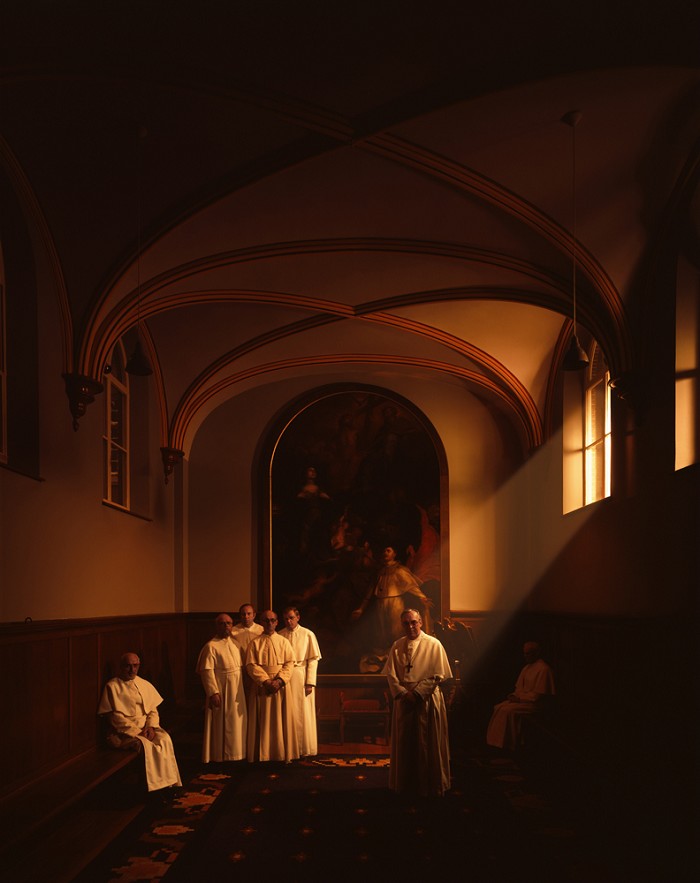
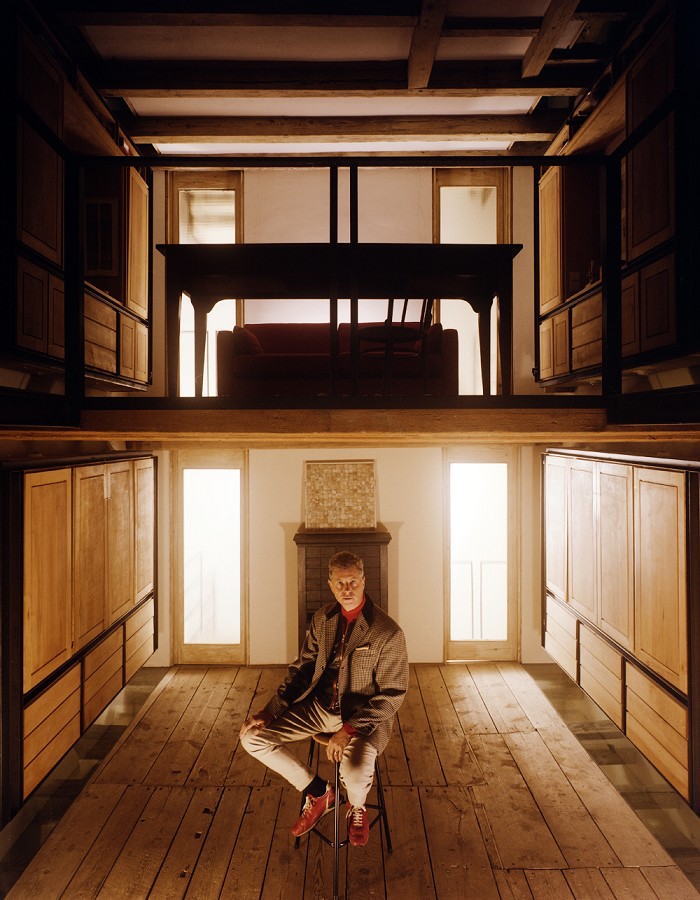
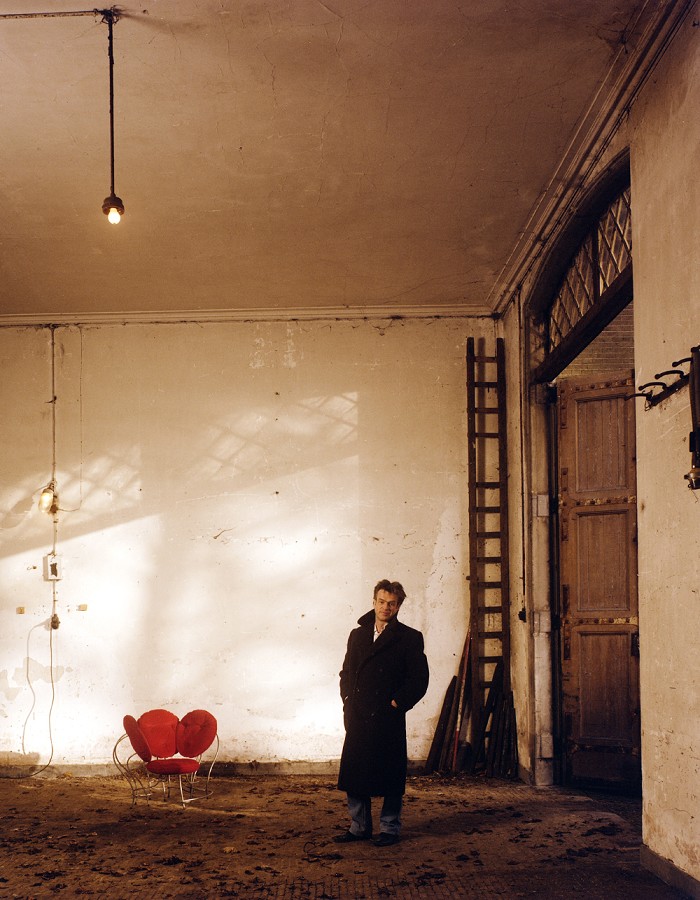
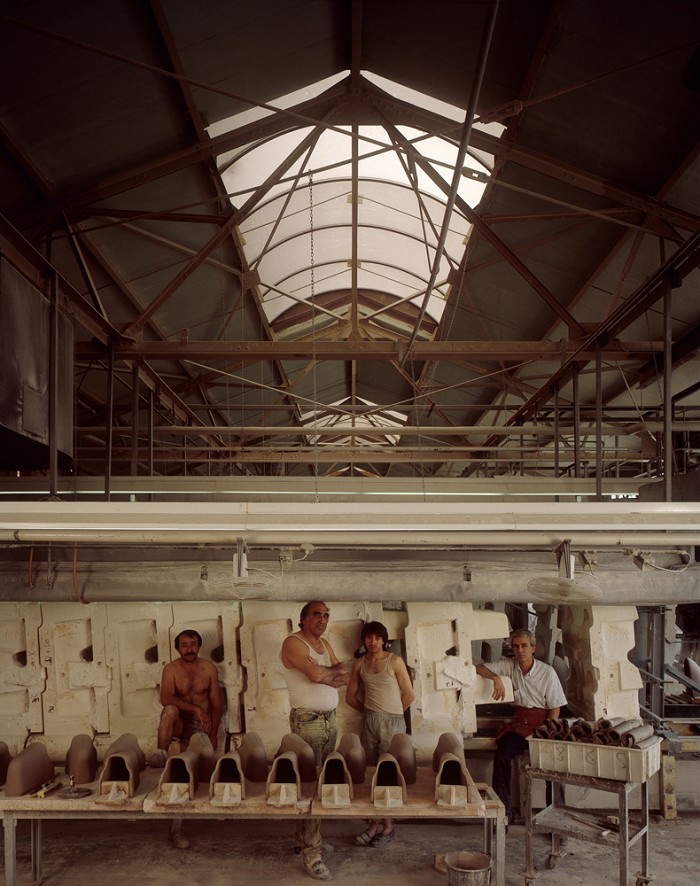
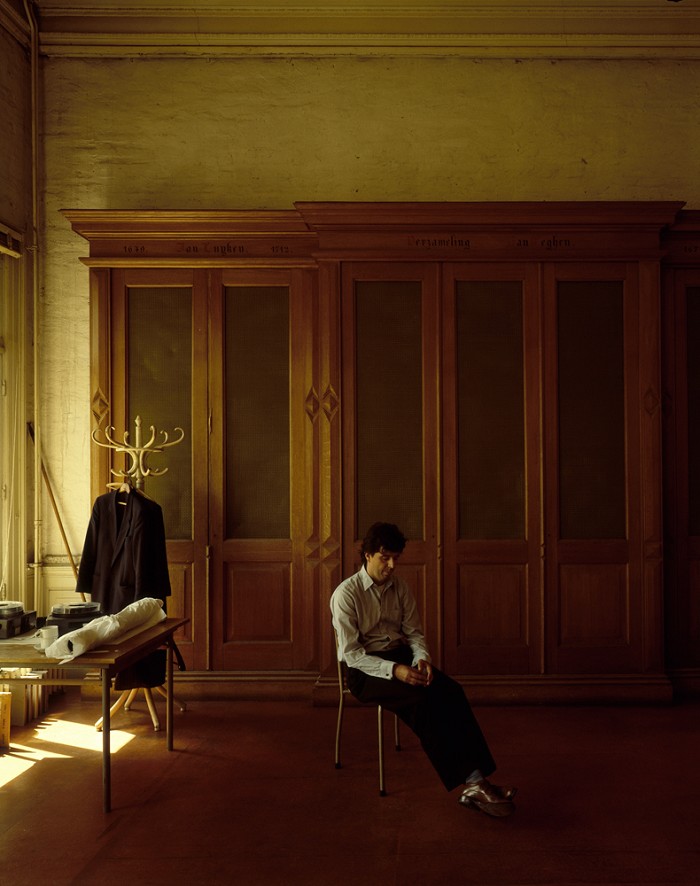
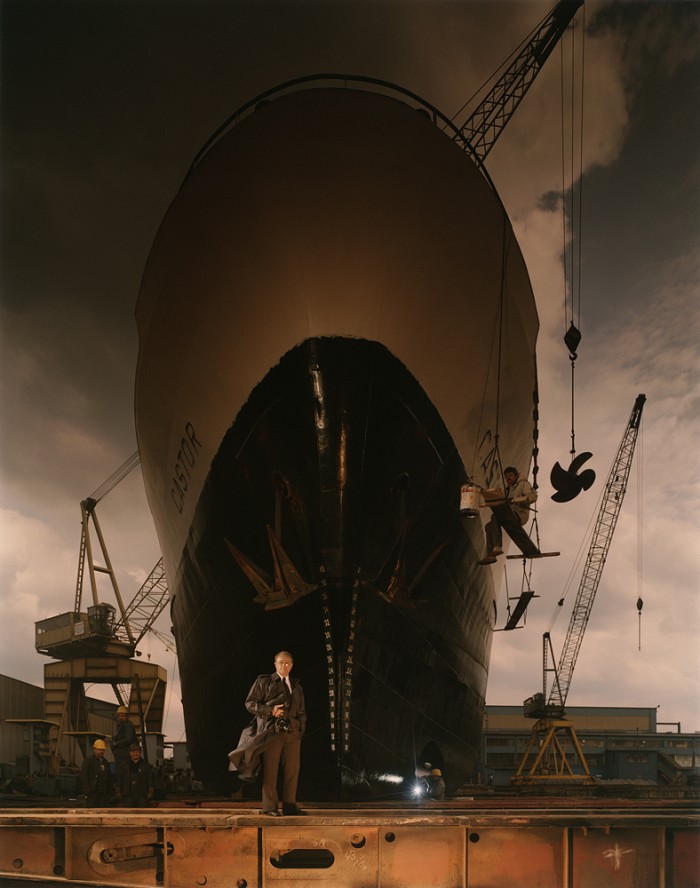
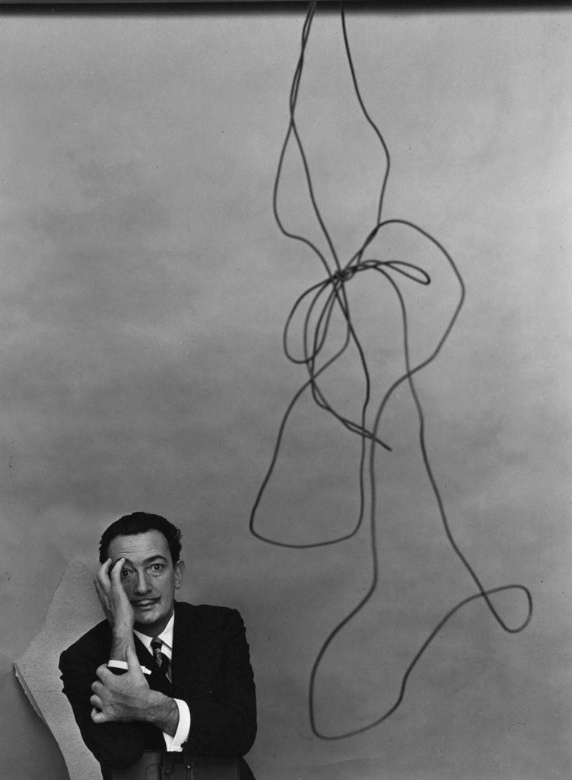
Aernout Overbeeke, Dutch photographer, seems to approach a portrait in a similar way as Arnold Newman did. To portray a person he doesn’t just shoot the person up close and personal but includes his surroundings as well. And often takes a few more steps backwards then Newman did. By doing so Newman created an abstraction where Overbeeke creates an amazing depth in his photographs. And the softness he puts into every image is just beautiful.
Whether it’s his portraitures or his commercial work, the softness and the depth is always recognizable. A signature of a photographer that understands light. By using natural light in combination with strobes he never makes it look like a studio shoot. The natural and strobe lighting give a wonderful mix to create the perfect atmosphere.
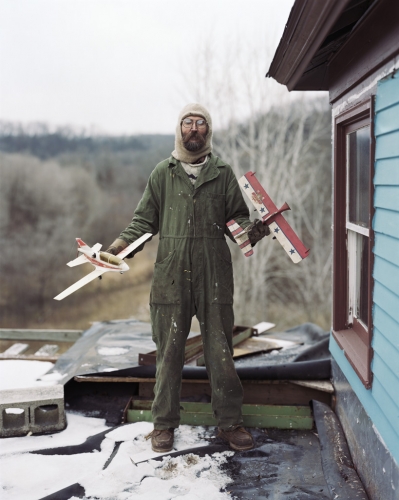
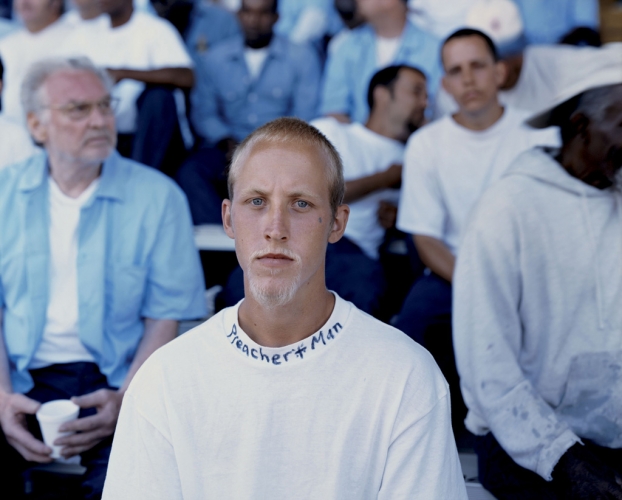
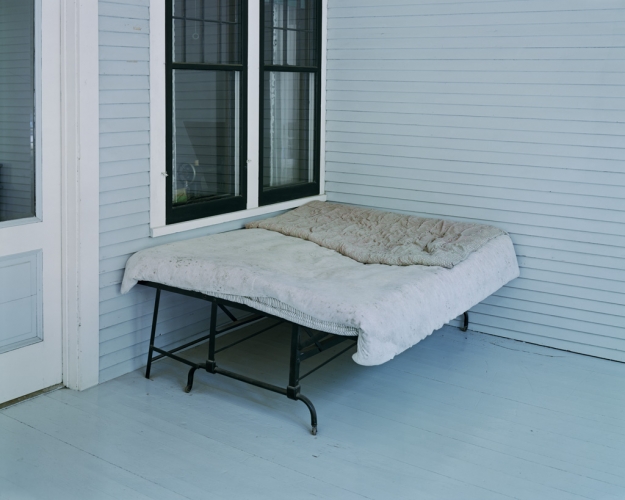
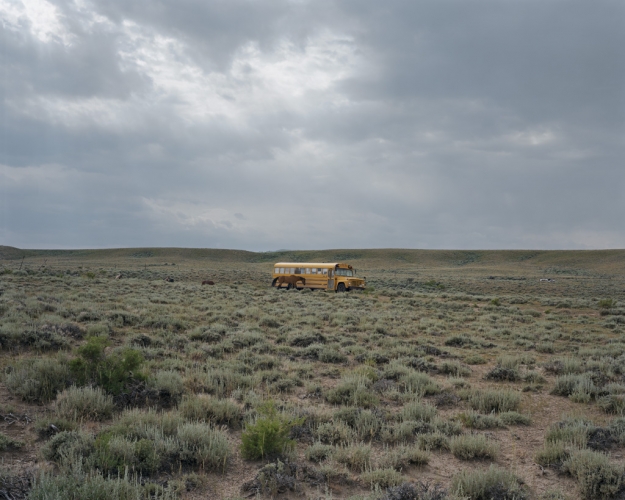
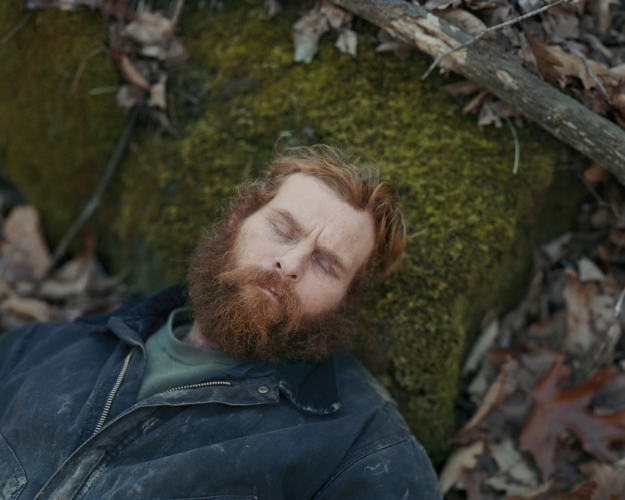
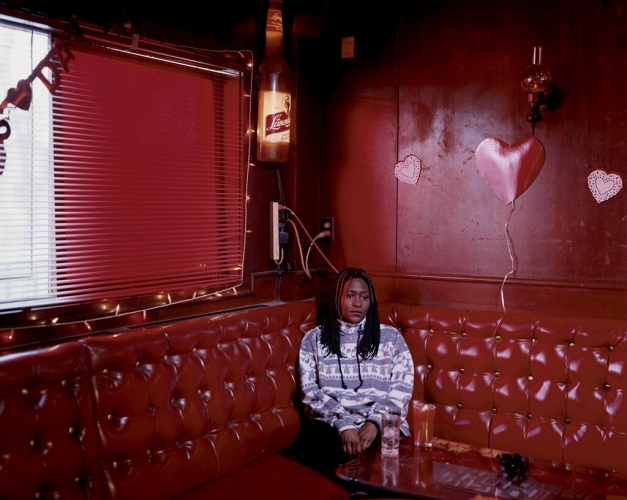
Alec Soth, member of Magnum since 2008, documents people and places. He uses an 8×10 camera. Important for him is to photograph a person when he or she is at ease. He said: “My own awkwardness comforts people, I think. It’s part of the exchange.”
The use of a large format camera brings about a softness that corresponds with the photographed subjects. The softness equals the comfortableness of the person photographed. As if Soth has found a way to reduce his own presence to that of the comfortable vibe a person has in their own personal space. And looking at his projects (Sleeping by the Mississippi, Broken Manual, The last days of W and others) he manages to truly tell a story by creating a mix of portraits, landscapes and interiors. As if we, the audience, get a look into a world we know not much about. A world that only comes about when a stranger is not present.
Join Desmond Tutu, Richard Branson, ESA astronaut Andre Kuipers, popstar Robyn, nobel prize winner Martti Ahtisari and many others in making history. The idea is simple. On May 15th 2012 the organization Aday.org asks you to photograph what is close to you. To use the power of photography to create, share and inspire perspectives on daily life. Document the 15th of May for your children’s children and for their children’s children.
A Day is an initiative by the Swedish non-profit foundation of Humankind. The foundation supports scientific research and education centered around photographic image and the written word. Their aim is to inspire creative reflections on humanity, by expressing global perspectives.
A big hit today on the web is the Graphics Interchange Format (GIF). Introduced by CompuServe in 1987, GIFs allows movement to perhaps otherwise boring images. I see you think, how are GIFs photography related? Well in a way GIFs finds its origin way back in the 1800s. The early days of photography.
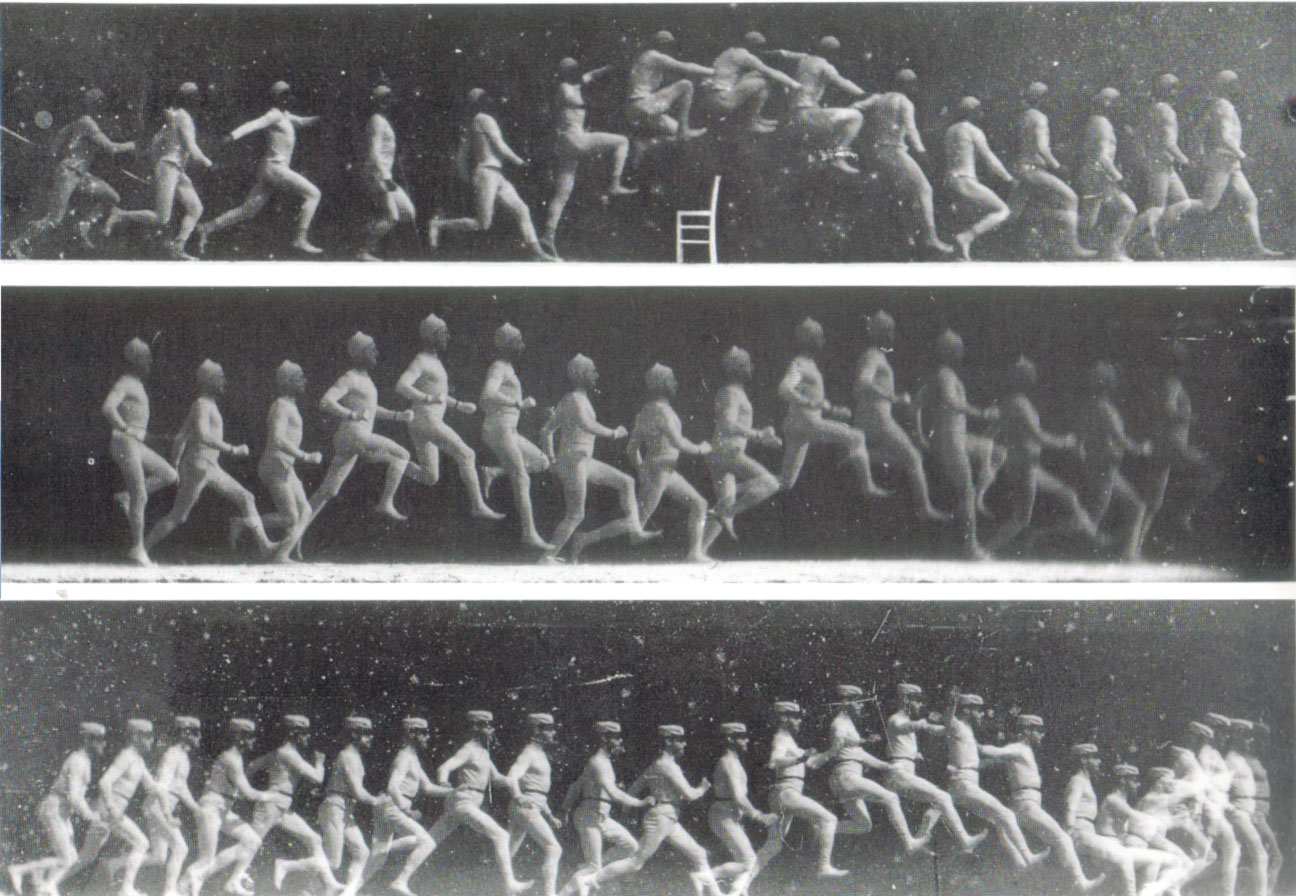
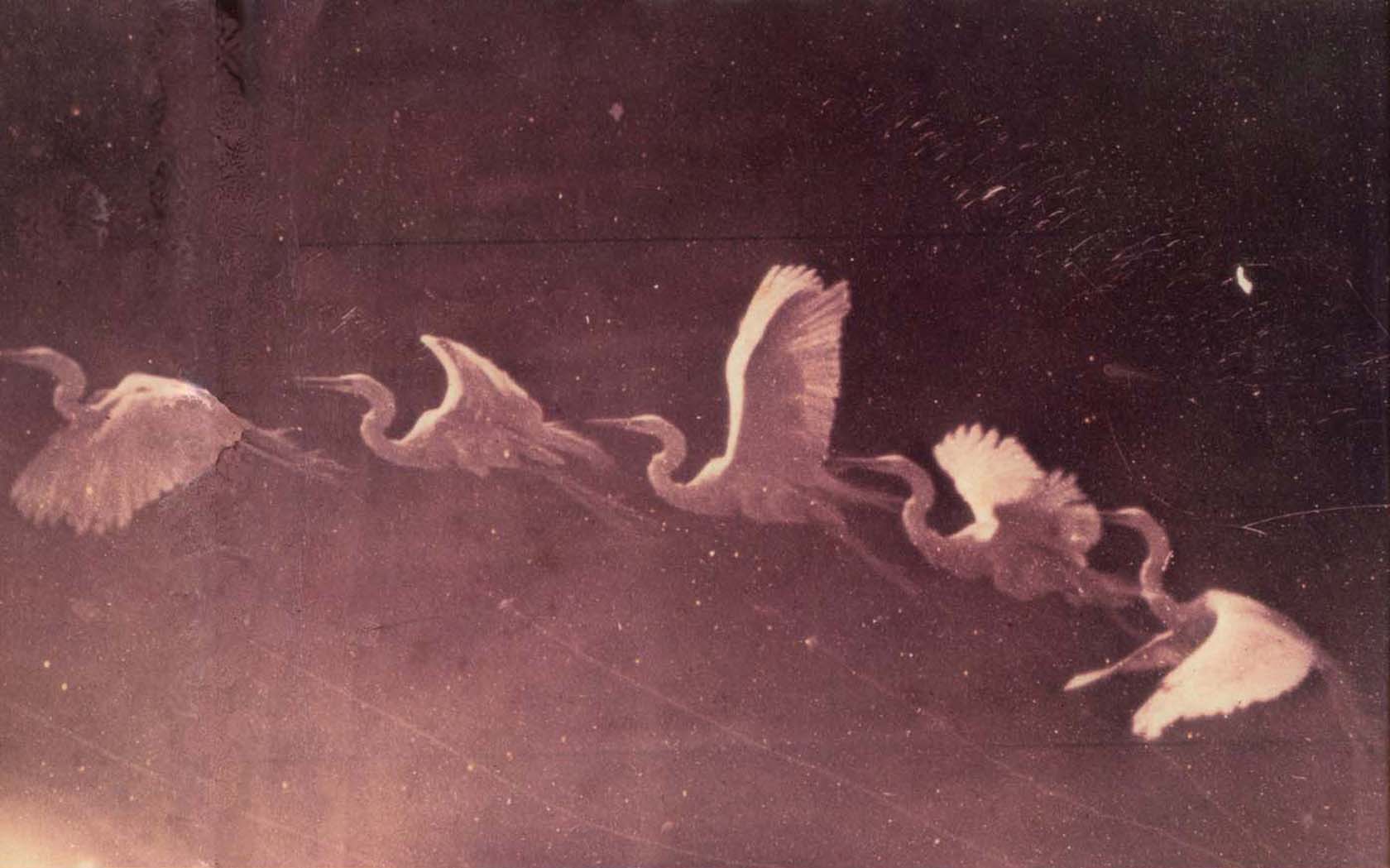
Étienne-Jules Marey was a pioneer in the field of photography. As a scientist and physiologist he became fascinated in the movement of the body and that of air. He started to research flying animals. He had the brilliant idea of capturing a flying animal on one photographic surface. He adopted and further developed animated photography into a separate field of chronophotography in the 1880s.
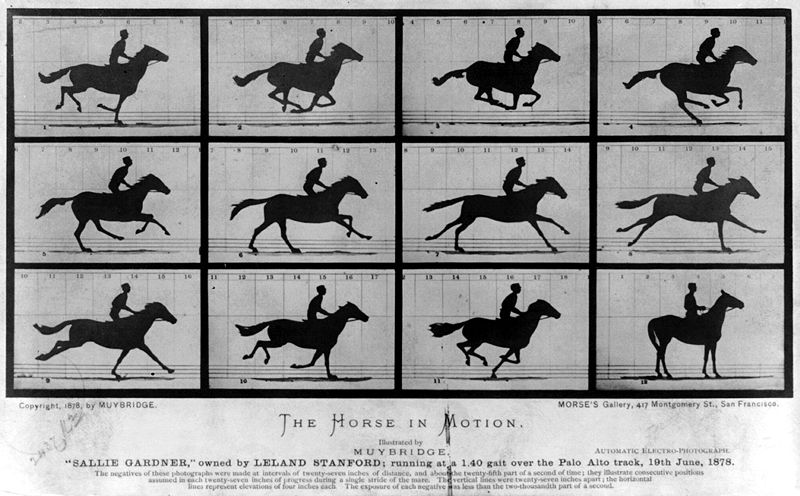
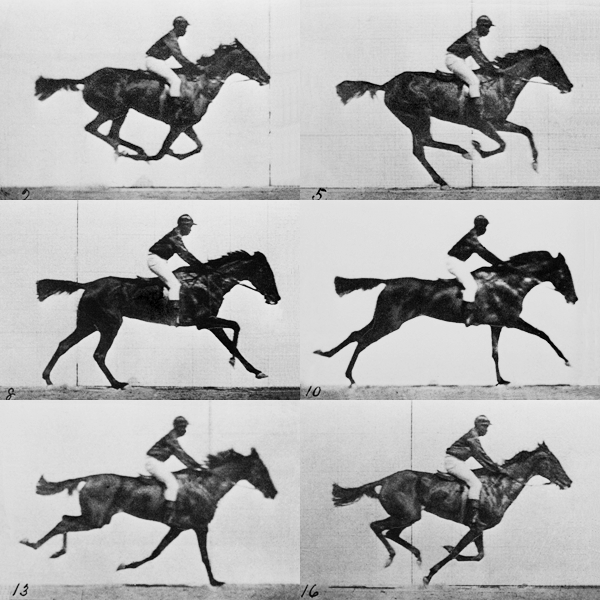
Around the same time a popular debate in the USA was about the movement of horses. People wanted to know whether all four hooves of a horse were off the ground at the same time while trotting or galloping. Eadweard Muybridge, allegedly inspired and influenced by the works of Étienne-Jules Marey, was asked to settle the debate by using his photographic skills.
To study the gallop, Muybridge planned to take a series of photos on June 19, 1878 at Stanford’s Palo Alto Stock Farm. He placed numerous large glass-plate cameras in a line along the edge of the track; the shutter of each was triggered by a thread as the horse passed. (In later studies he used a clockwork device to set off the shutters and capture the images.) He copied the images in the form of silhouettes onto a disc to be viewed in a machine he had invented, which he called a zoopraxiscope. This device was later regarded as an early movie projector, and the process as an intermediate stage toward motion pictures or cinematography.
(source: Wikipedia)
So there you have it. The invention of photography kickstarted the understanding of movement, the movie industry, animations and GIFs.
UPDATE
I came across this video by coincidence today (4/13). I thought I would share it with you. Since it fits so perfectly in this post about Muybridge. It is a movie from 1965.
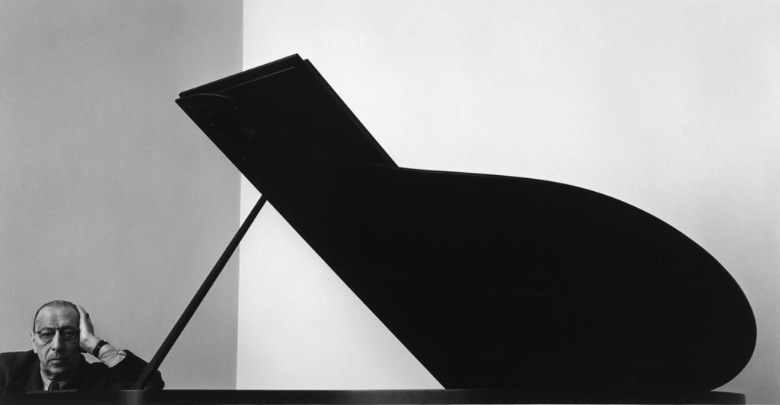
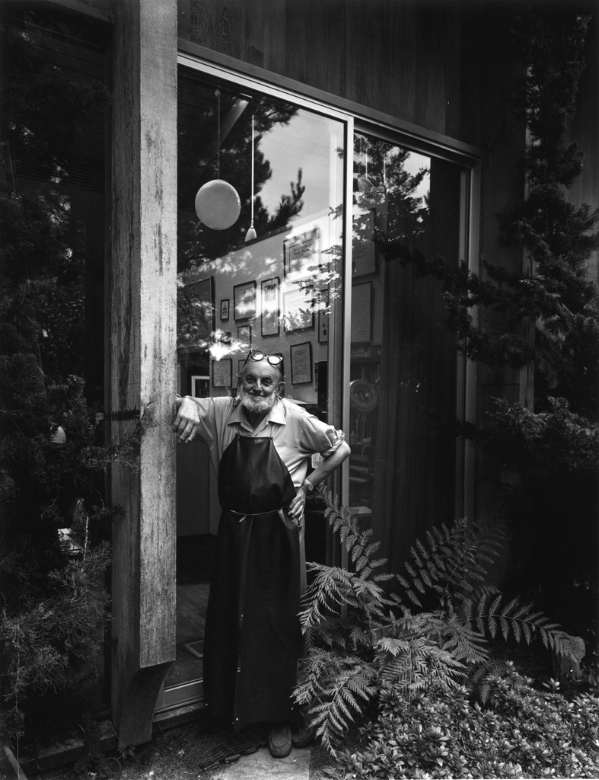
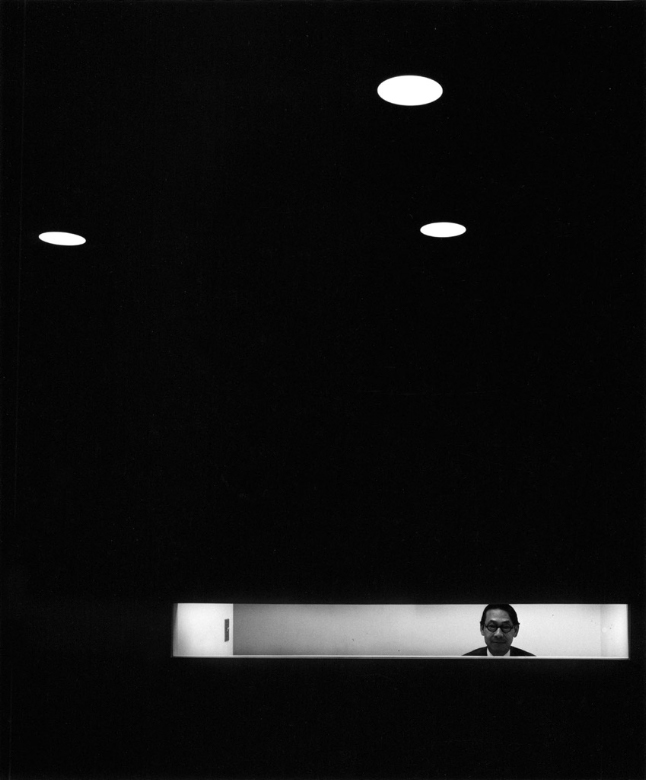
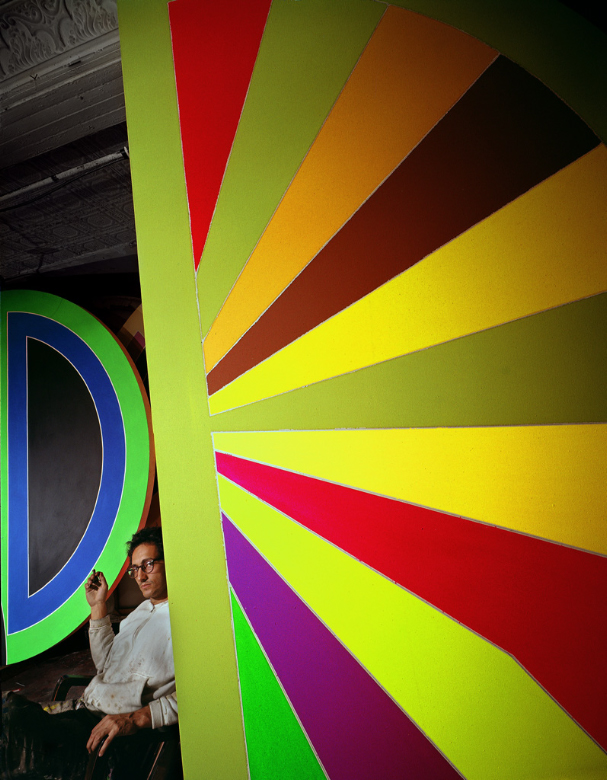
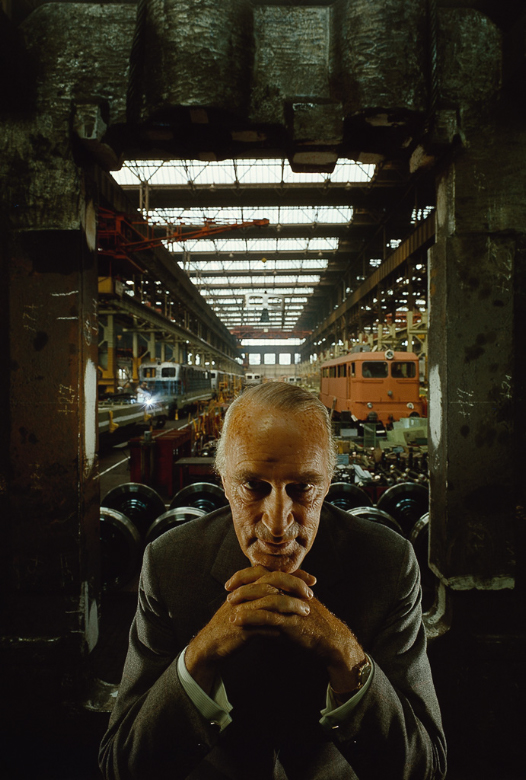
I’ve always find portrait photography interesting. To be able to capture a person’s personality in one single frame is just an amazing challenge. And not many photographers master this skill the way Arnold Newman does. The amazing portraits by Newman has inspired me greatly. What Newman does is including the surroundings in his portraits. Most famous example is that of Igor Stravinsky. Allegedly, the now famous photo of Stravinsky was rejected by the magazine who commissioned the shoot. Arnold Newman is able to reflect the personalities of all the famous ones as no other. Sometimes he translates his feelings about a person brilliantly. He did this beautifully with convicted Nazi war criminal, an industrialist, Alfred Krupp.
Photography is everywhere. Because of cameras getting smaller and smaller every day, the art-form is available to everybody. We see a flood of image making across the web. And with Facebook and Twitter, sharing was never so easy.
But photography started as a true craftsmanship. To make an image, one had to understand chemical processes, the adjustments of a camera and the way light influenced everything. You had to understand many thing before you were able to produce one photograph, and in the beginning of photography often a unique photograph. The first photographers weren’t really photographers. You could see them as scientists or technicians.
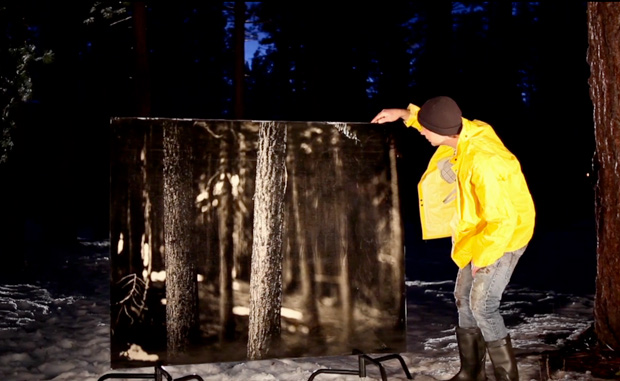
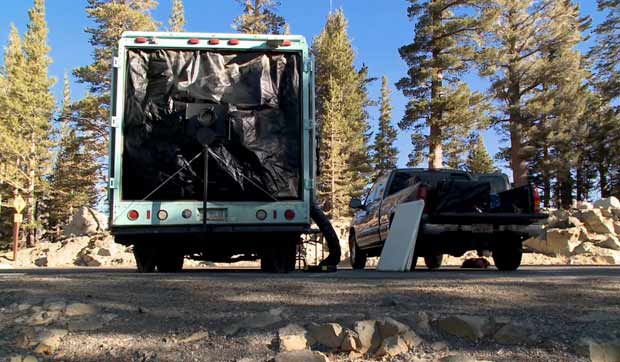
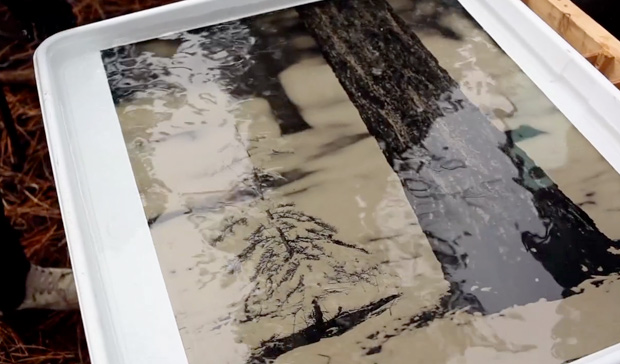
There is something quite poetic and beautiful about producing a unique photograph. Ian Ruhter is a modern photographer who missed the feeling of being in a darkroom. He decided to go trough great lengths to be a true craftsman. If you can spare some minutes please watch his movie below or read the interview on CoolHunting.
Above a few samples of the documentary Views on Vermeer. Some famous and very great photographers talk about the Dutch painter Johannes Vermeer. And how he uses light. Among the photographers: Steve McCurry, Erwin Olaf, Philip-Lorca diCorcia, Chuck Close and others. A must see documentary. So if you have the time please look it up and be inspired.
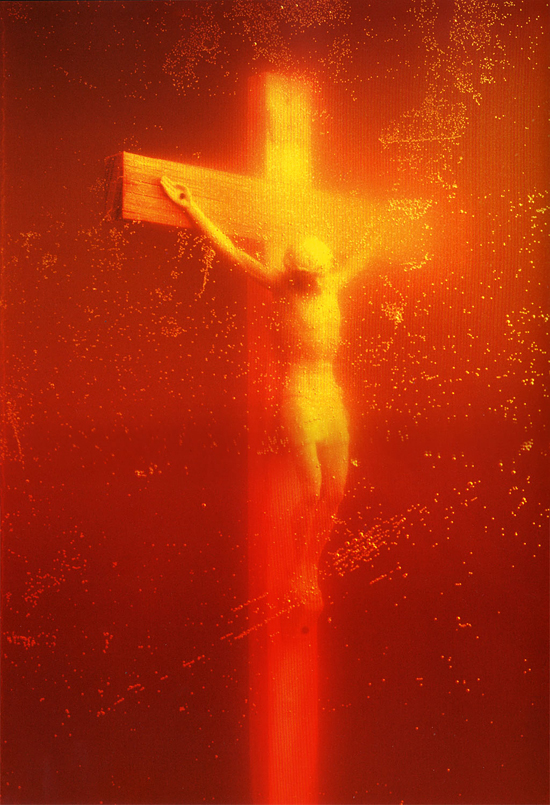
Controversy is a word that springs to mind when looking at the photographs of Andres Serrano. The American photographer became notorious through his photos of corpses and his use of faeces and bodily fluids in his work. One of the very controversial photographs was that of a crucifix submerged in a liquid. The liquid was his own urine. This in 1987 created artwork he called “Immersion (Piss Christ)”.
For Serrano this artwork was a statement on the misuse of religion. He defended his photograph as a criticism of the “Billion-dollar-Christ-for-profit industry” and a “condemnation of those who abuse the teachings of Christ for their own ignoble ends”.
On several occasions the photograph was vandalized. A print of the photograph was damaged using a screwdriver or ice-pick on April 17, 2011 while on exhibit in Avignon, France. Before that a print was also vandalized in Australia. And in Sweden, neo-Nazis took it upon themselves to ransack the art work.
If by definition art has to communicate some form of emotion, Serrano sure managed to do so.