website: Aday.org
http://vimeo.com/samcollinsmedia/balloflight
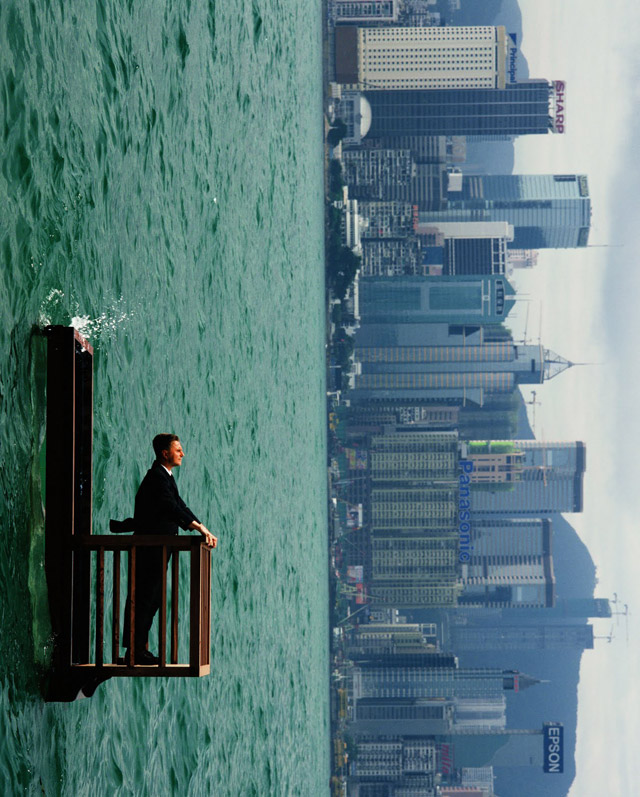

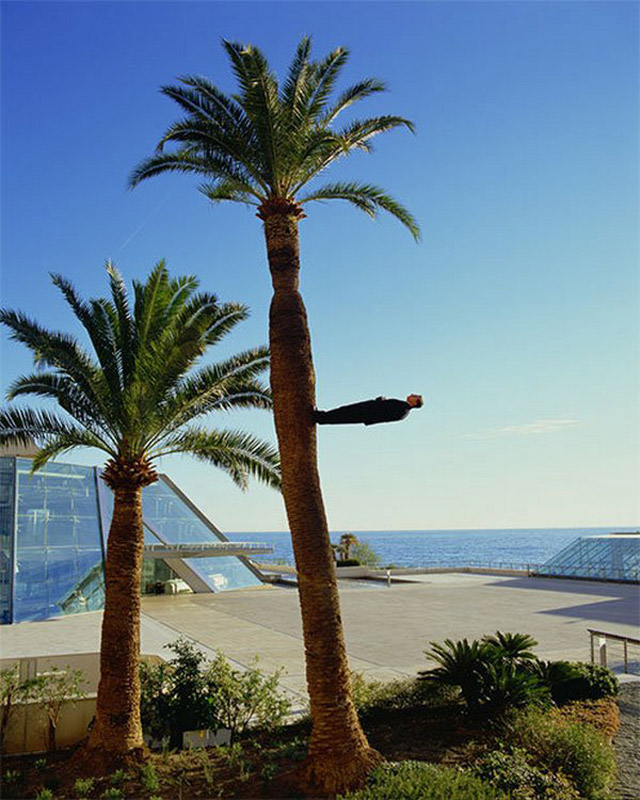
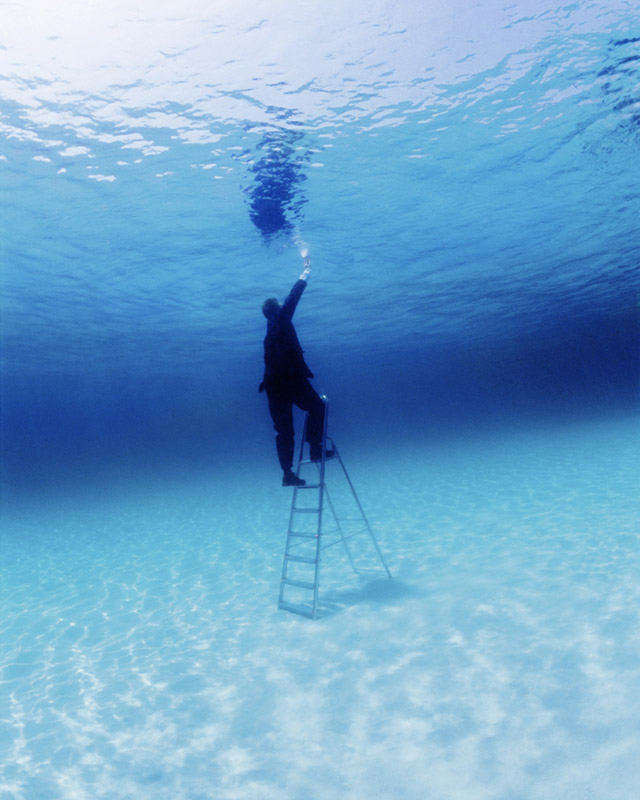
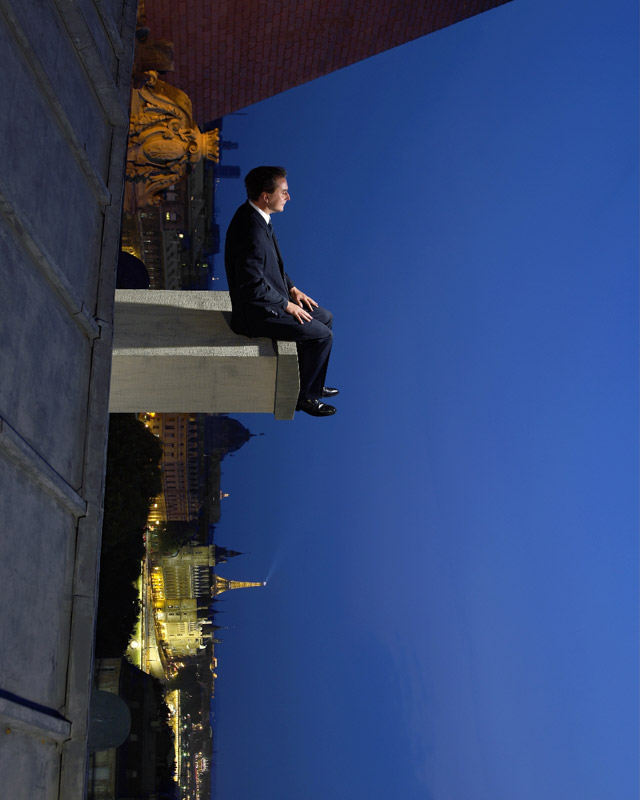
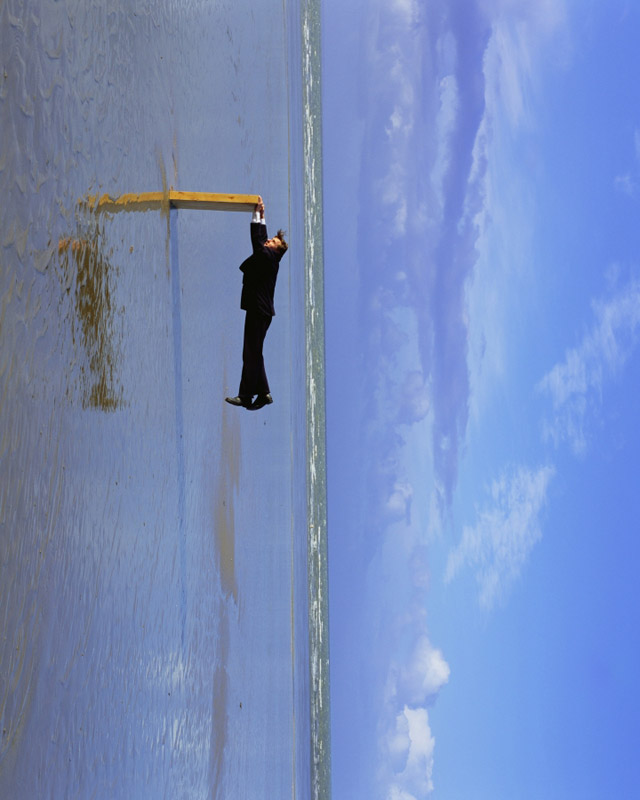
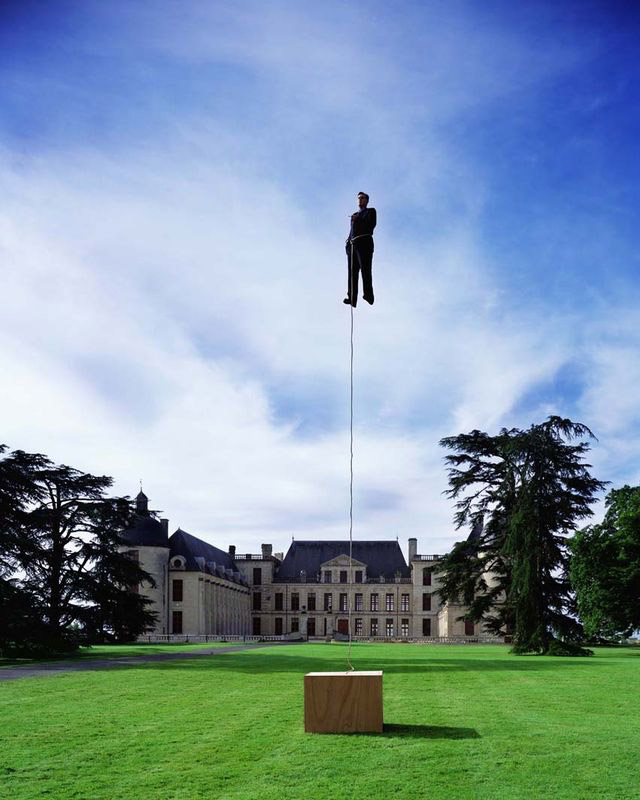
One of the wonderful things art can do is make you look at the world differently. French artist Philippe Ramette‘s photographs do just that. If you still believe photography gives an objective view of our world, Phillipe Ramette surely shall make you think twice. And if you think Photoshop has something to do with his photographs, you are wrong. Ramette’s playing with gravity like many art works do with ones emotions. His surreal works of art not only makes you think differently about the art form of photography but also about men’s relation to nature and its rules.
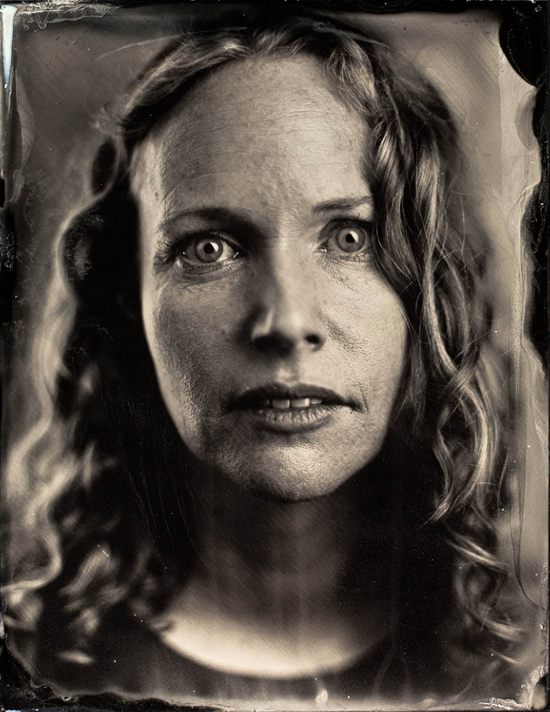

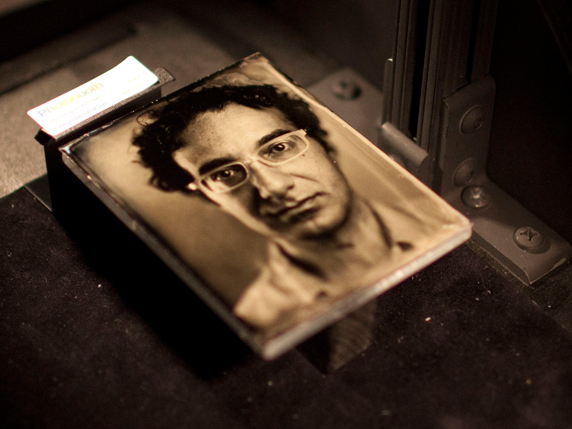
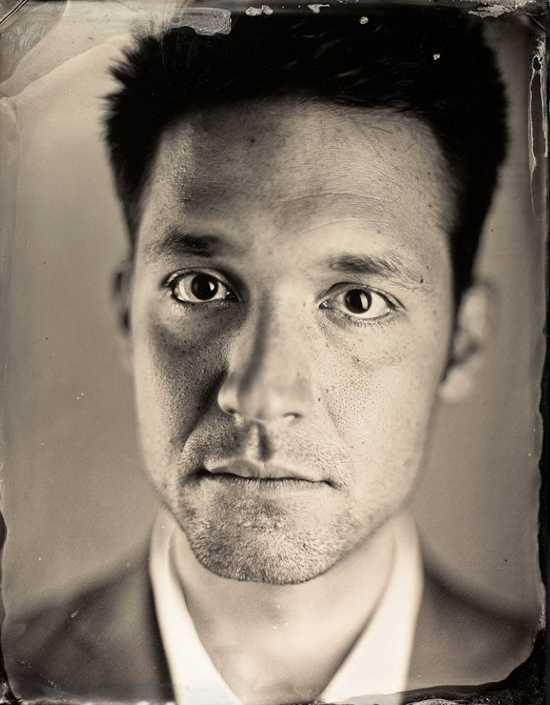
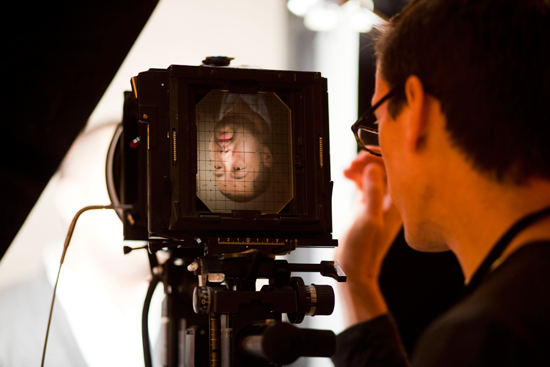
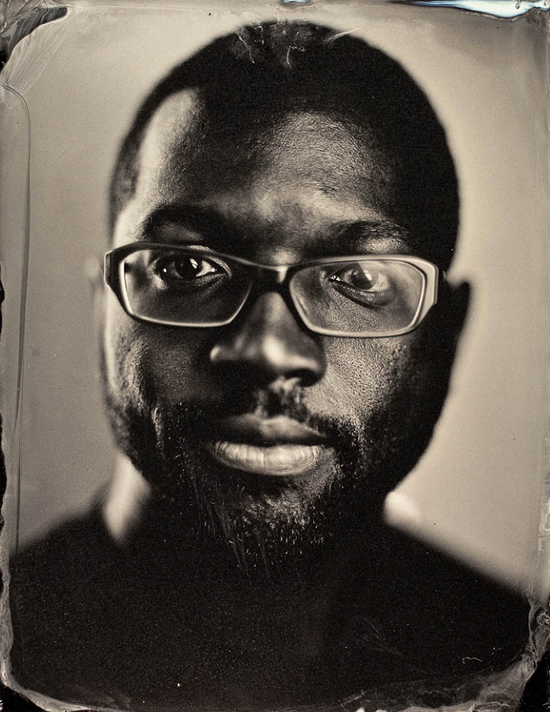
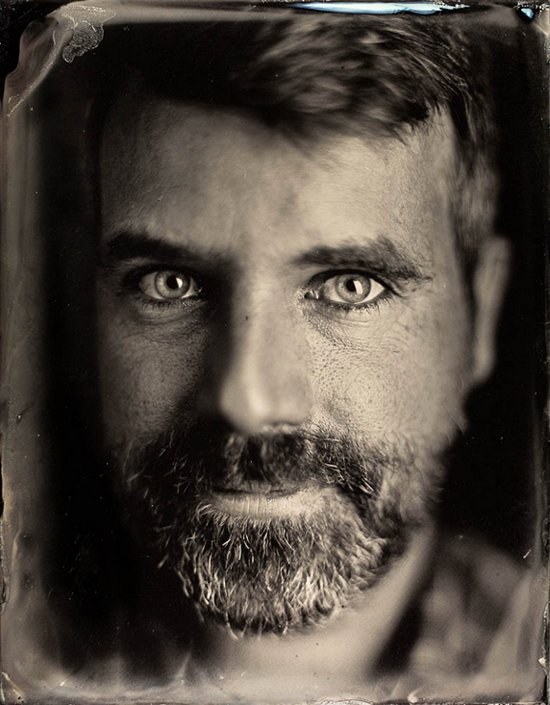
Next time I’ll find myself in San Francisco, I’ll make sure to pay a visit to Photobooth. And you should too. A retail space for classic camera gear and a gallery. But more importantly a tiny type portrait studio. They will photograph you in a unique way. On an aluminum tin type plate your portraiture is developed in a 19th century style. This old technique shows the beauty of photography and the quality it has. Co-Founder of Photobooth Michael Shindler started this studio as a way of putting tangible value back into the typically digital medium.
And this tangible value is being put back by many others. Many photographers featured on PforPHOTO still shoot analog, e.g. Ian Ruhter (also tin type), Misha de Ridder and Alec Soth. They often describe one of the reasons of doing so, the focus it ask of you, the photographer. And if you add that wonderful quality it brings about, you can imagine why many artists love analog large format photography. Even I have bought a Linhof 4×5 field camera last year, for the same reasons.
Please watch the clip about Photobooth featured by Cool Hunting below. And the article about Photobooth at Cool Hunting can be found here.
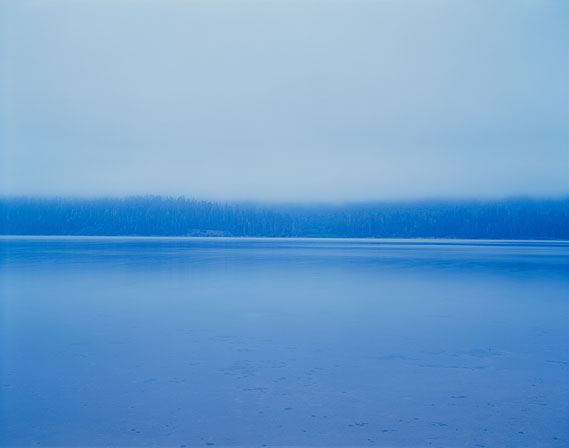

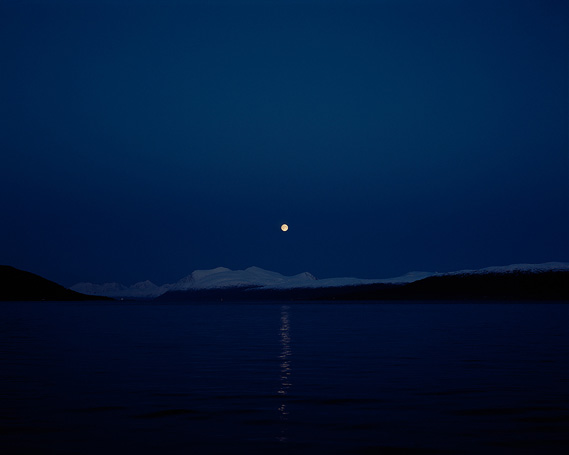
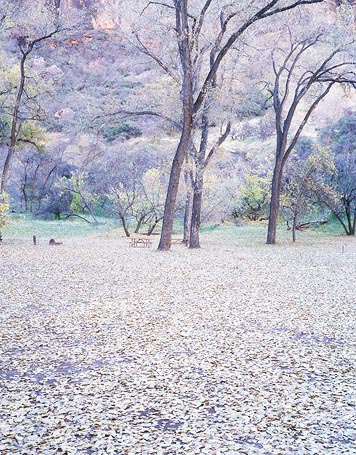
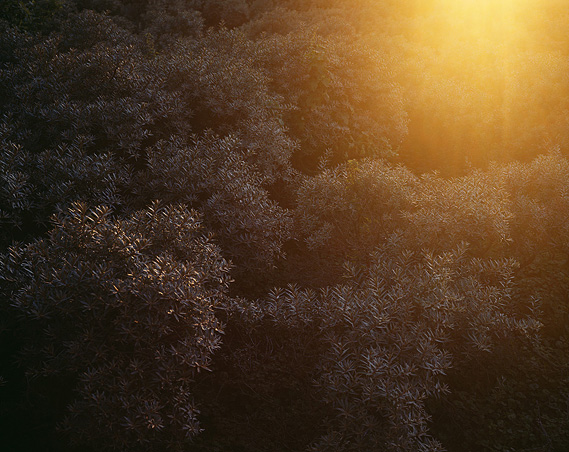
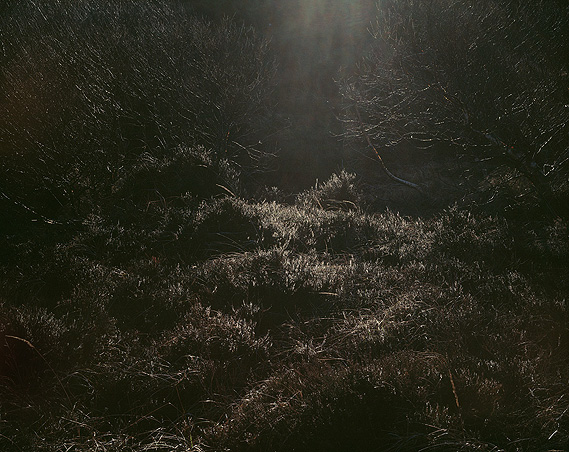
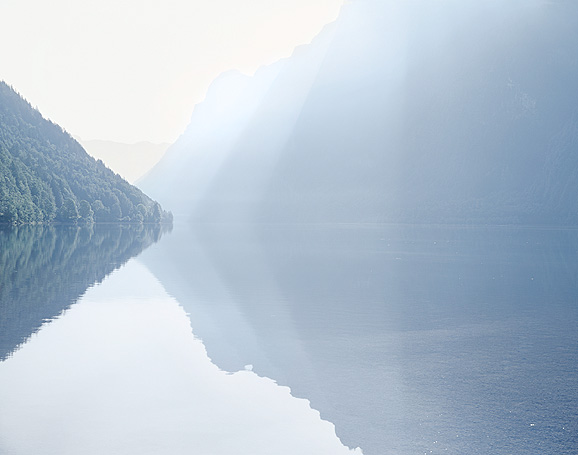
The wonders of nature have alway been a thankful subject for artists. Dutch photographer Misha de Ridder, a man who lives in the city of Amsterdam, tries to relate to the wilderness, to the greatness of nature and in the end to the nature of his own existence and inevitable death. He does this beautifully with his photography. He is looking for those untouched places. True nature. Nature at its best. For example an extraordinary shaped tree, the shape of a mountain or the different atmospheres and lights that nature brings about at different moments in time. And by the use of a large format technical field camera, a 4×5 Linhof Technica, he is able to really capture those places that lack the intervention of men. The details, the colors, the softness, all are wonderful and does make you look and think twice about us humans, about how you as an individual relate to that overwhelming beauty and perhaps just to take you away in that ever inspiring subject that is nature.
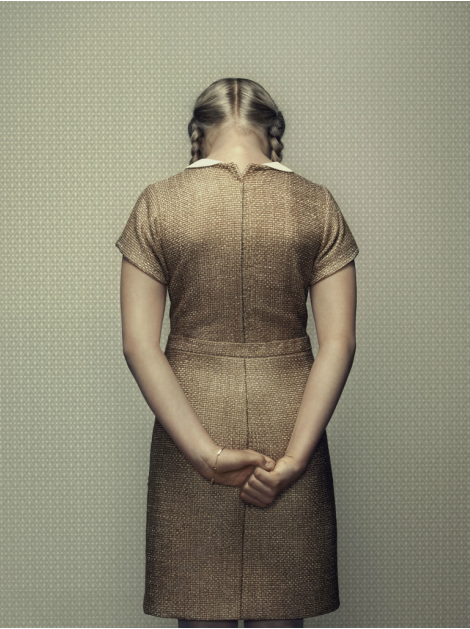

A true master of photography is Dutchmen Erwin Olaf. With Anton Corbijn perhaps one of the names a Dutch-non-photography-enthusiast might know. Erwin Olaf is an artist who tries to set a mood and tell a story with his work. He isn’t out to tell his story, per se. He creates a scene in which the viewer can create his or her own story. The photographs are so wonderfully lit that a random crop would probably even produce another wonderful photograph. His latest work is called The Keyhole.
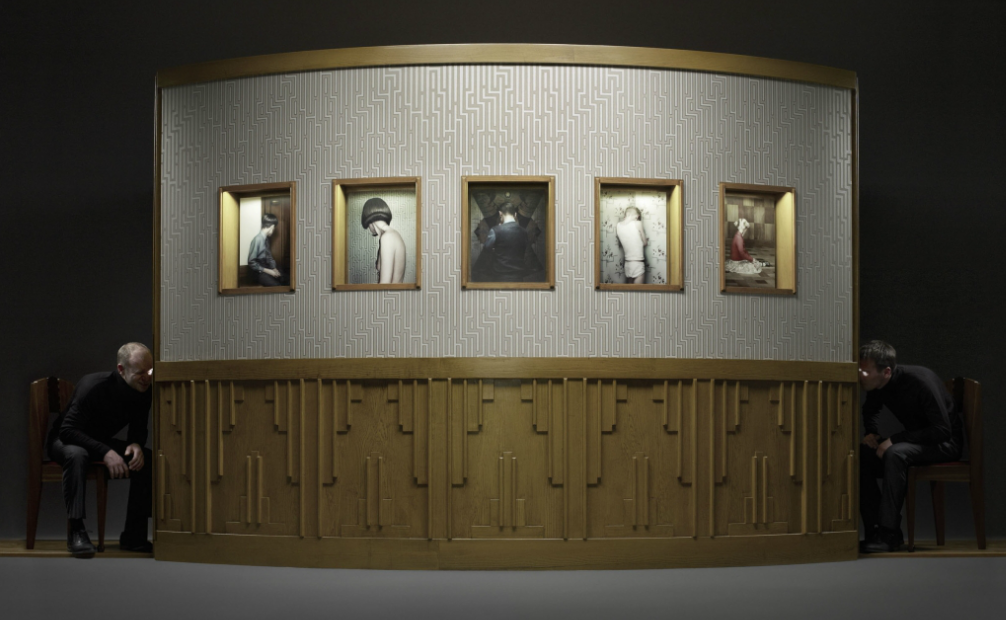
The Keyhole is showcased as a video/photo installation that, at the viewer’s own responsibility, can be watched, or be peeked at, through a keyhole. Erwin Olaf uses film and music to enhance his photographic work. And vice versa. The whole packages brings an extra dimension to this work of art. The Keyhole shows us seven individuals from their backsides. We look at them as if we have caught them doing something they weren’t supposed to be doing. The feeling one might get when sneaking a peek at something. The awareness you’ll have of doing something sneaky or even wrong, when looking at something or somebody through a keyhole.
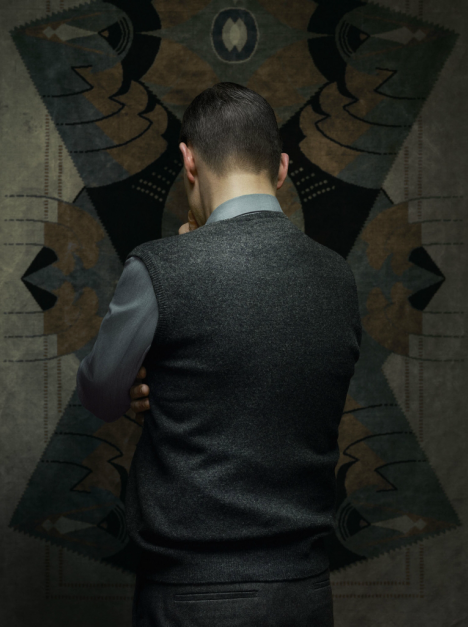
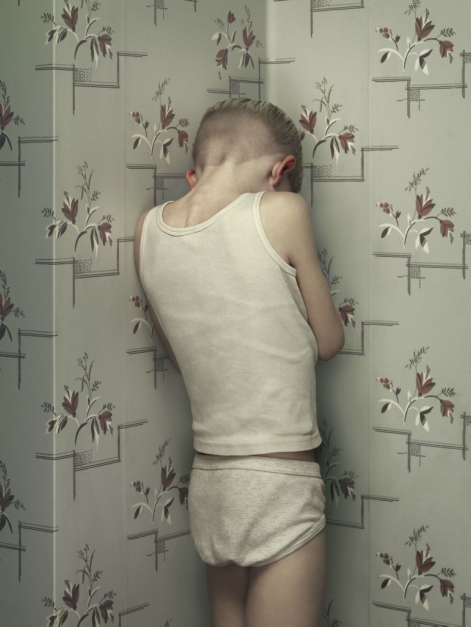
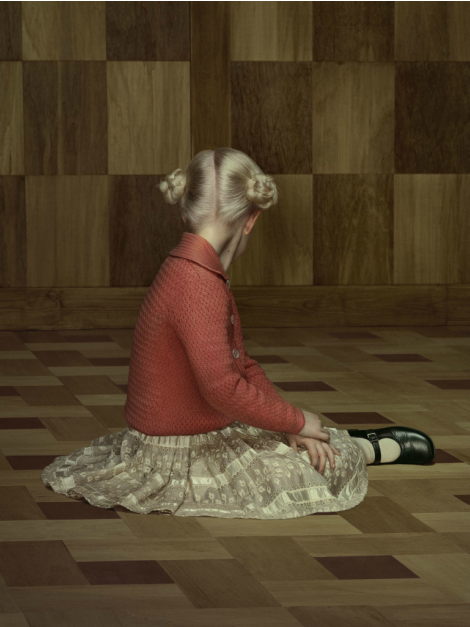
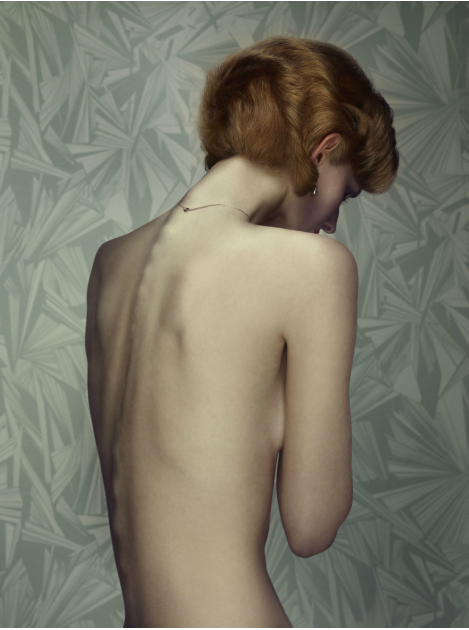
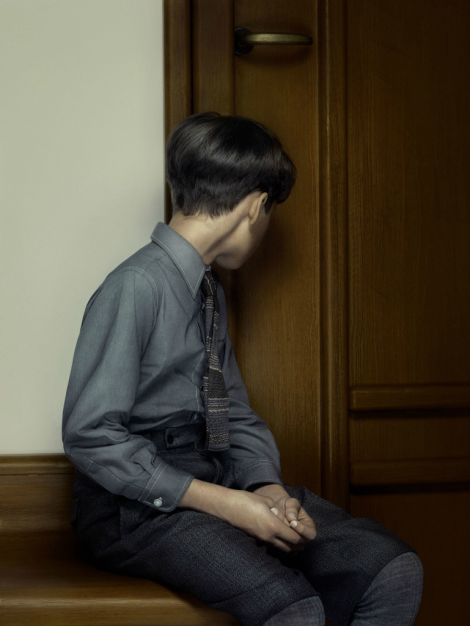
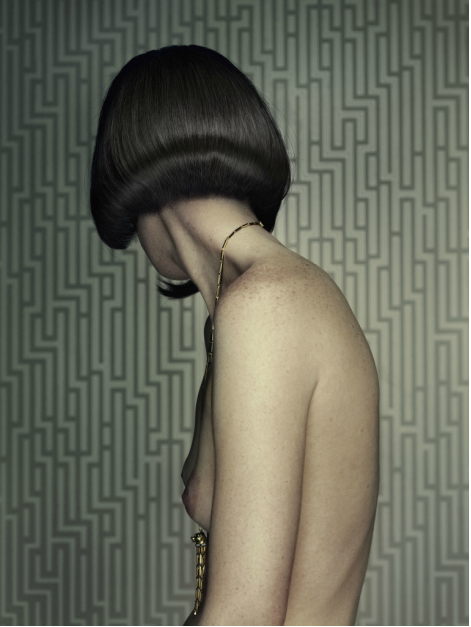
In the video below Erwin talks about his work.