A Slice Of Day

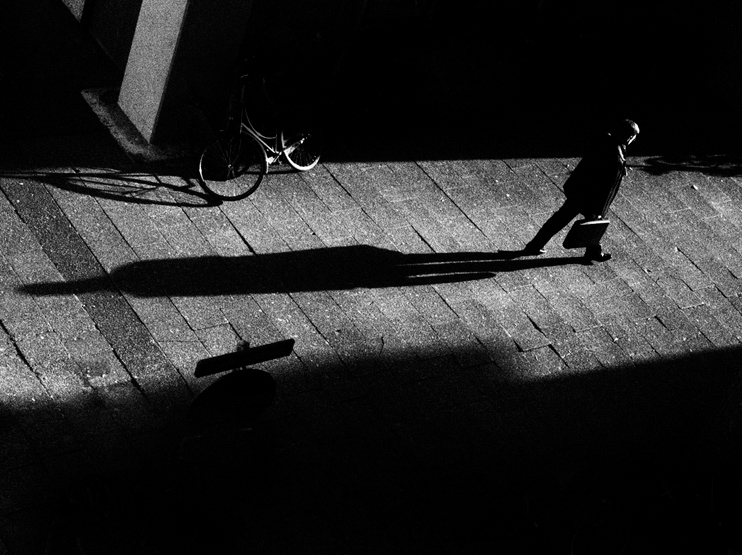
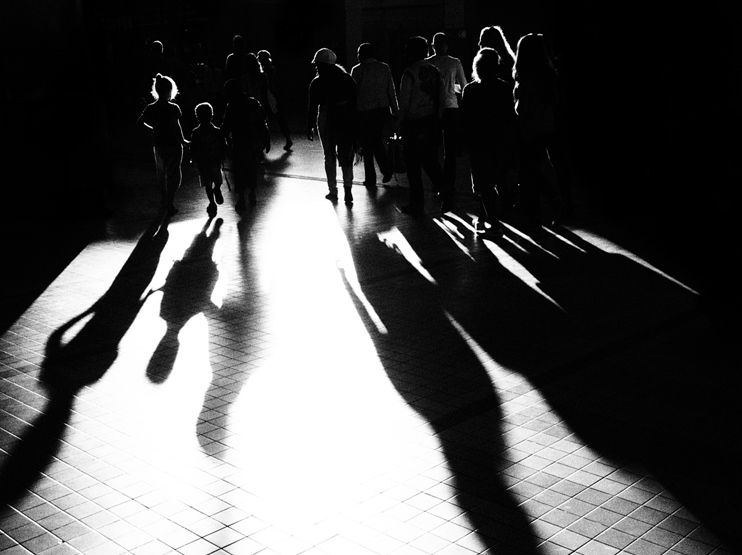
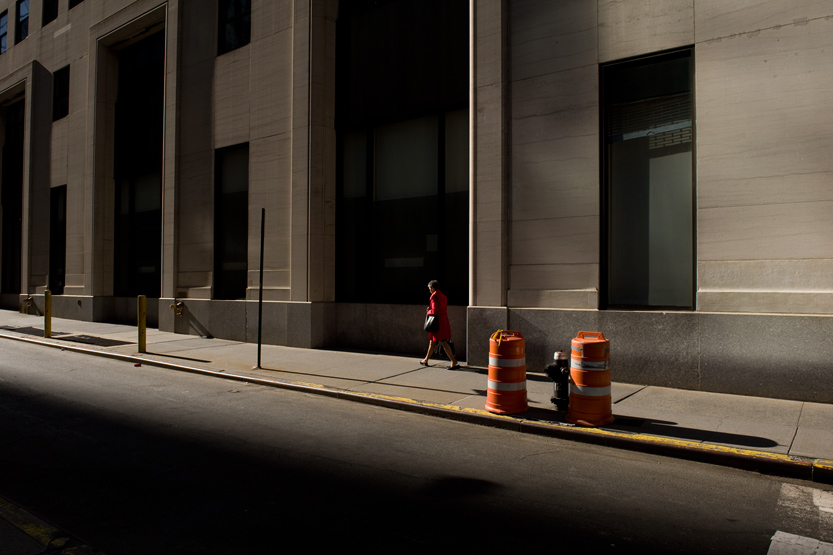
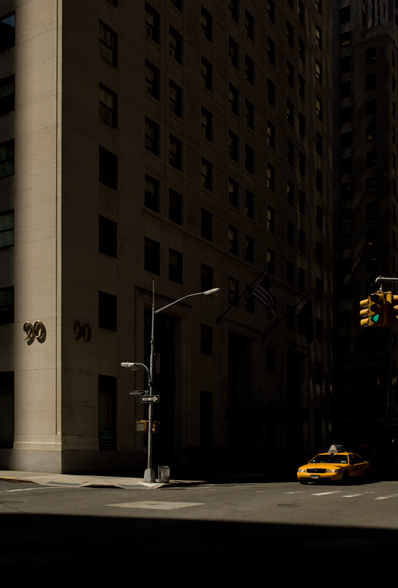
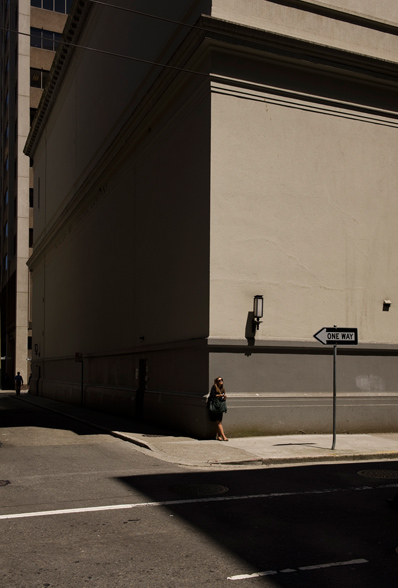
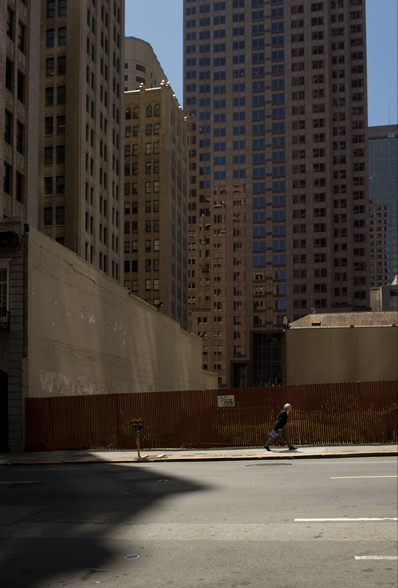
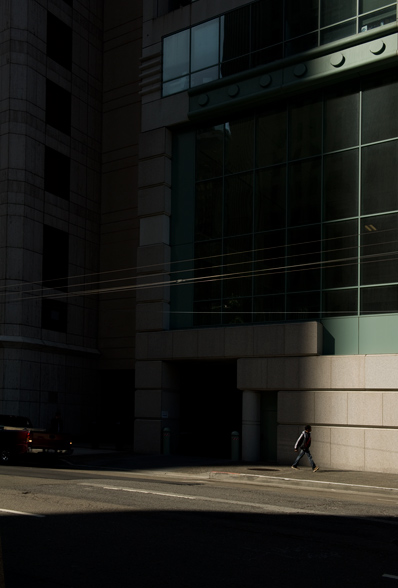
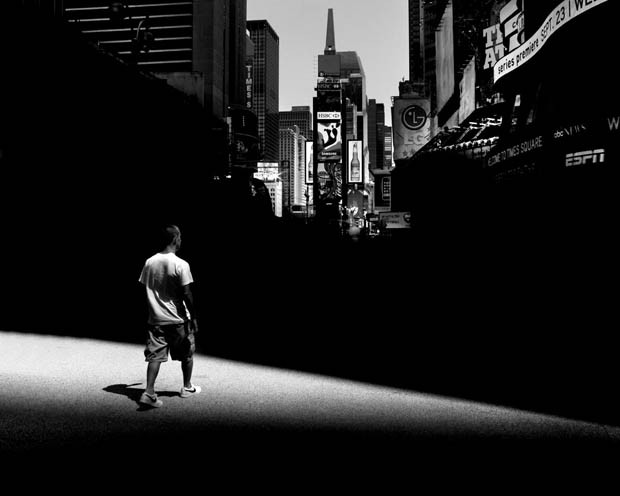
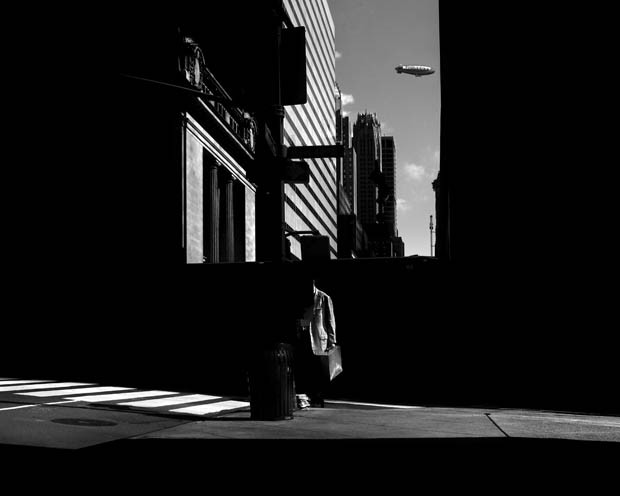
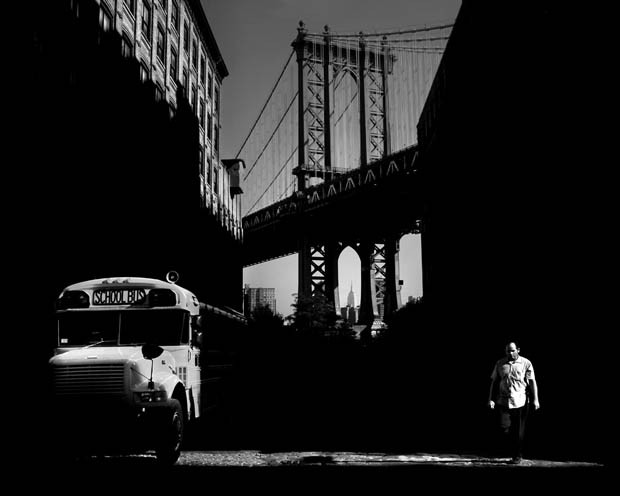
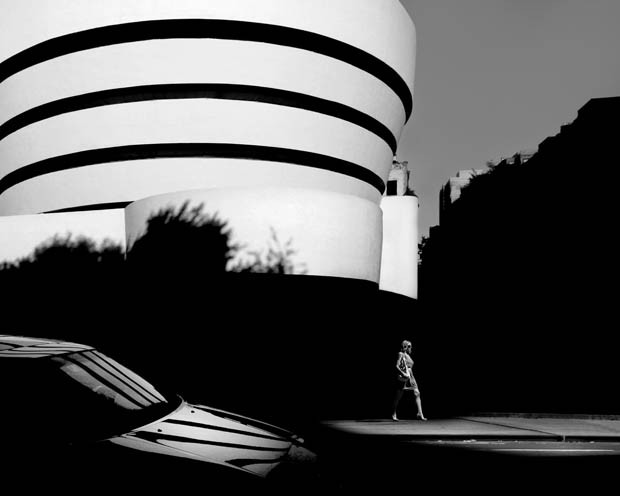
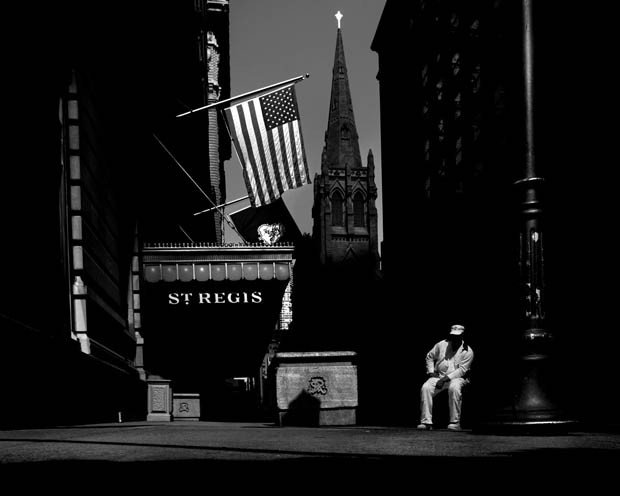
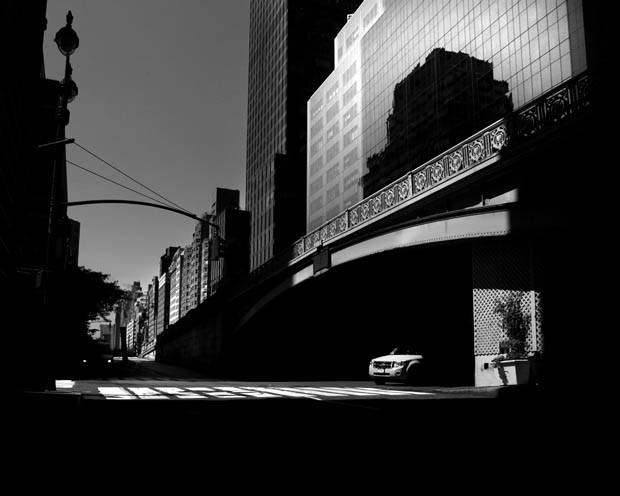
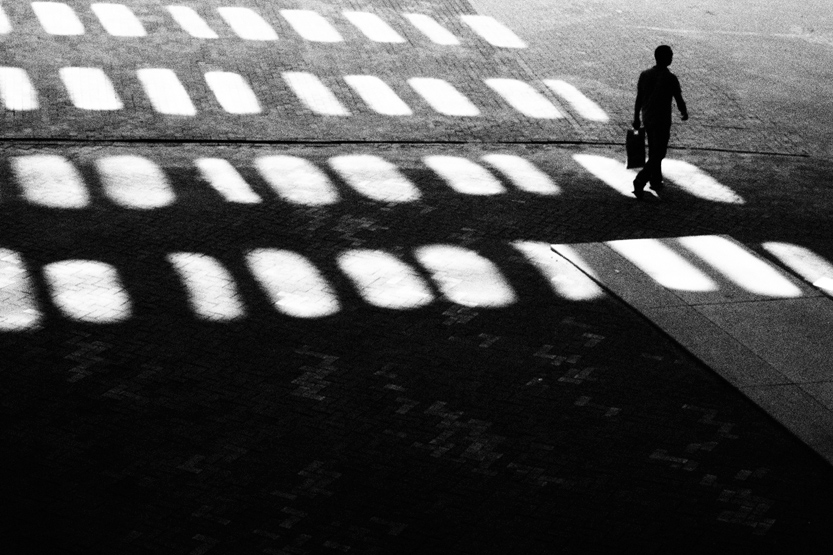
Henri Cartier-Bresson said; “To me, photography is the simultaneous recognition, in a fraction of a second, of the significance of an event.”  And this goes also for the black and white photographs by Dutch photographer Job Jonathan Schlingemann. He too tries to find the significance of an event. That moment of the day in which something special happens. What that is? Who knows. All he tries to capture is the emotion that clarifies that intersection of time, light and scene into one single photograph. To quote Job Jonathan Schlingemann:

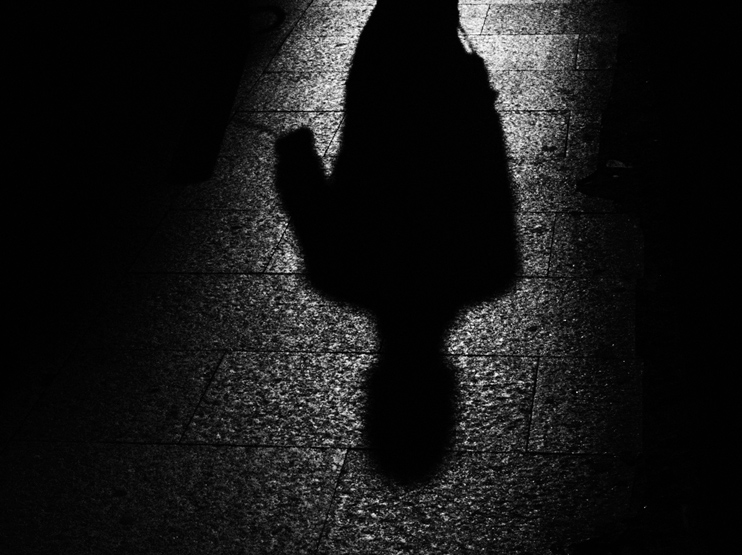
In my work I am looking for subtle moments of beauty in everyday life. Ordinary occurrences that by play of light and manner of perception for ta brief time create something extra-ordinary. A photograph works for me if subject, light and surroundings merge in perfect harmony to form one whole and triggering one single emotion. 

The combination of the black and white, the long shadows and those wonderful compositions does make for an intriguing series. He manages to show us the ordinary in an extraordinary way. I truly feel what he is set out to do. Capturing the beauty in everyday life.

Job Jonathan Schlingemann’s website: www.splinter.tv
Read More

The Contrast in Being

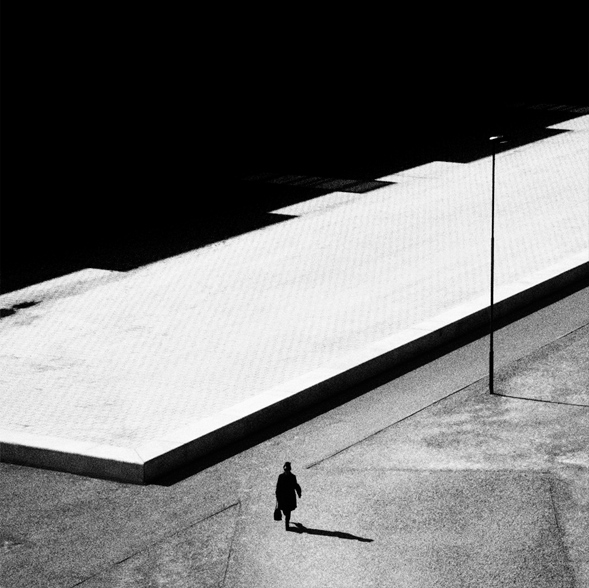
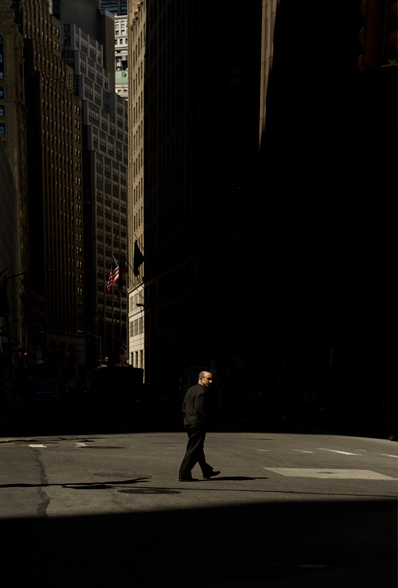
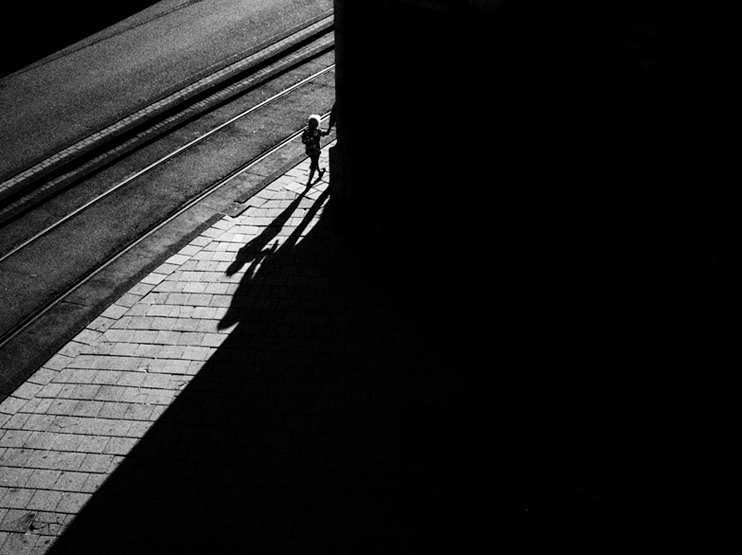
The following series reminded me of a line from the song Empire State of Mind by Jay-Z: “…concrete jungle where dreams are made of…”. But this concrete jungle seems to overtake and isolate it’s creator. Let alone its dreams. The human beings stuck in between the dream and the reality. This wonderful photo series shot by Dutch photographer Job Jonathan Schlingemann gives us a glimpse into this contradicting world.  A world between beautiful geometrical shapes of the sky scraping buildings and the tiny, seemingly insignificant but nonetheless driven, people who walk among them. The artist is fascinated by the contrasts he sees:

I am fascinated by this business districts with all its concrete and geometric shapes and in between those huge buildings, the human being. This human being seems driven by a purpose; his function in this world. He seems isolated. The contrast between those two sometimes seems almost poetic.

The photographs are beautifully lit. The photographer really knows how to find that perfect moment to share his fascination. The light and the colors are just marvelous.

Job Jonathan Schlingemann’s website: www.splinter.tv
Read More

The World is Black and White

One way to approach photography could be using the Zone-System invented by Ansel Adams. When using this system one makes sure that the intended dynamic range is well-lit in your photograph. By using initially 10 steps from black to white the contrast of the image will look natural and all intended will be visible. A famous photograph of Adams was that of a small town shot by night, lit only by the moon.

Of course Ansel Adams’ work is wonderful and unique in its kind but it leaves not much to the imagination. But by blacking out areas in a photo, you can create a story and a tension that can only be filled in by the viewer. And that is exactly what Gabrielle Croppi did in his series Metaphysics of an Urban Landscape. In a way Gabrielle uses a 3 zone system. Using only black, gray and white he composes images with a high contrast. Images which are very open for interpretation. His high contrast photographs makes the usual suspects when it comes to recognizable landmarks into something that could have come straight out of a Hollywood film. Scenes loaded with drama. Scenes that reminds me of the works by the great American painter Edward Hopper.

Gabriel Croppi’s website: www.gabrielecroppi.com

Read More

Foodscapes

Landscape photography is a wonderful way of sharing natures wonders with everyone. But this type of photography is not for everyone. Often the places which are the most beautiful are secluded or are best photographed in the wee little hours in which most of us are still fast a sleep.

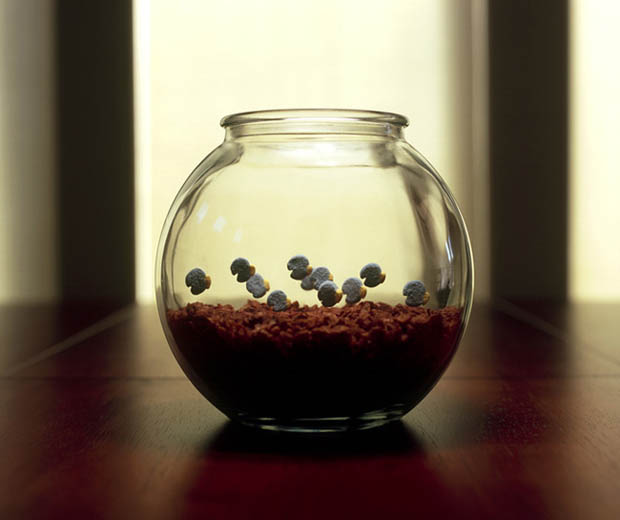
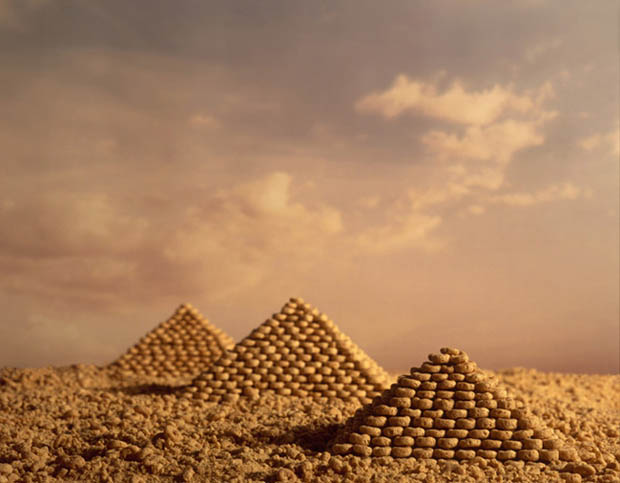
But some people don’t let nature decide when a landscape is ready to be photographed. Ernie Button for example. He created wonderful landscapes using cereal. In his project called Cerealism he uses the common breakfast cereal to create scenes based on their shape and texture. A wonderful and creative way to play with food. It reminded me of the works of Carl Warner. Take a look and get inspired. Perhaps your next meal will be much more interesting.

Ernie Button’s website: www.erniebutton.com

Read More

A Culture of Sitting and Waiting

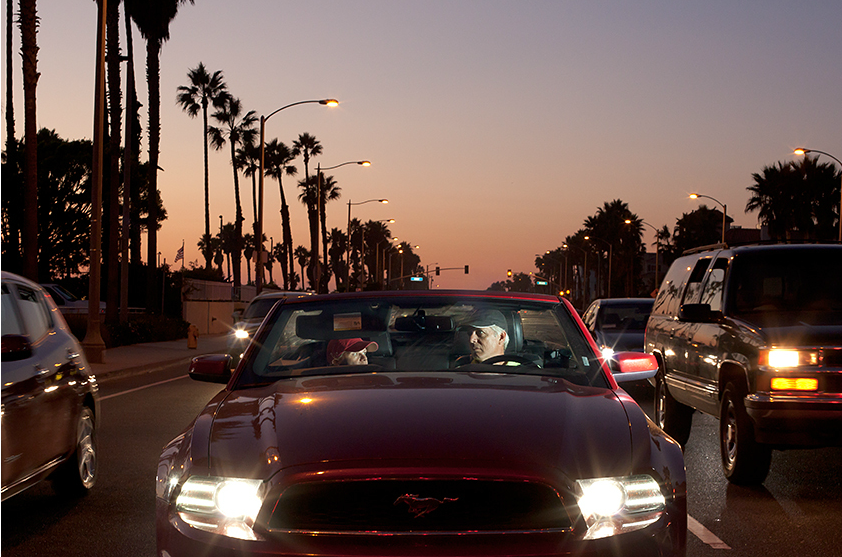
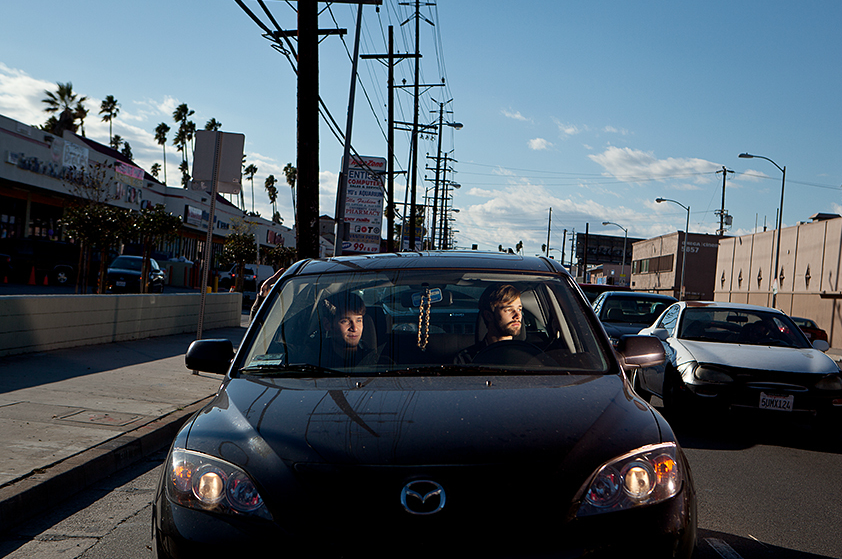
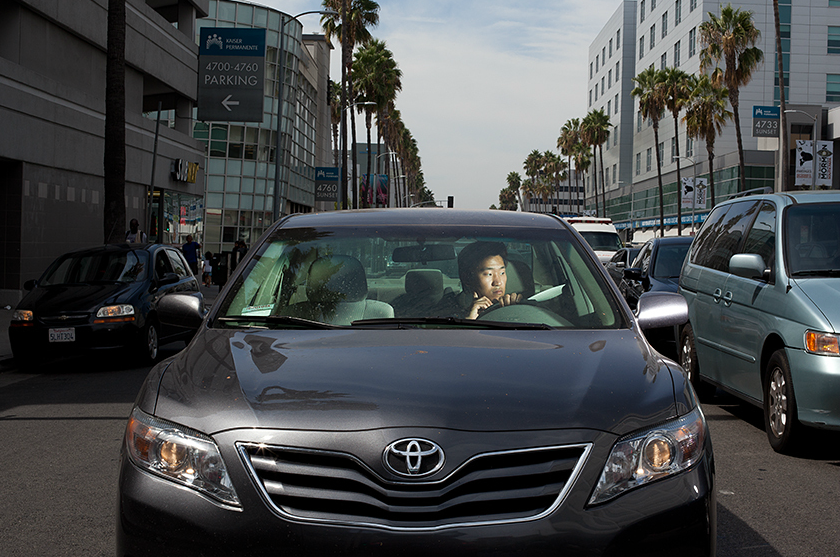
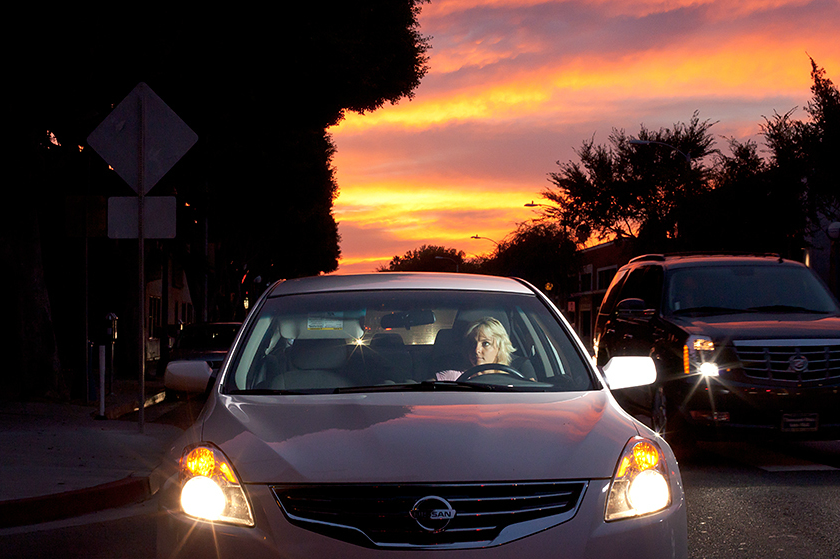
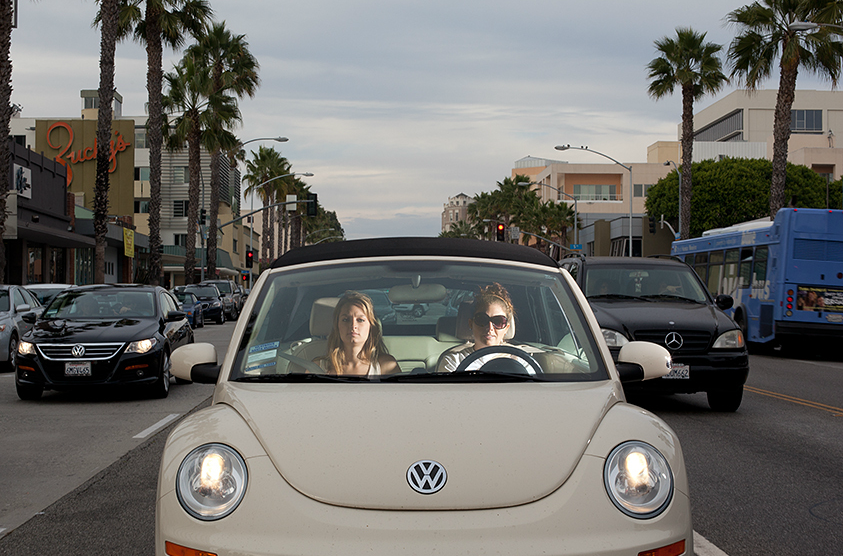
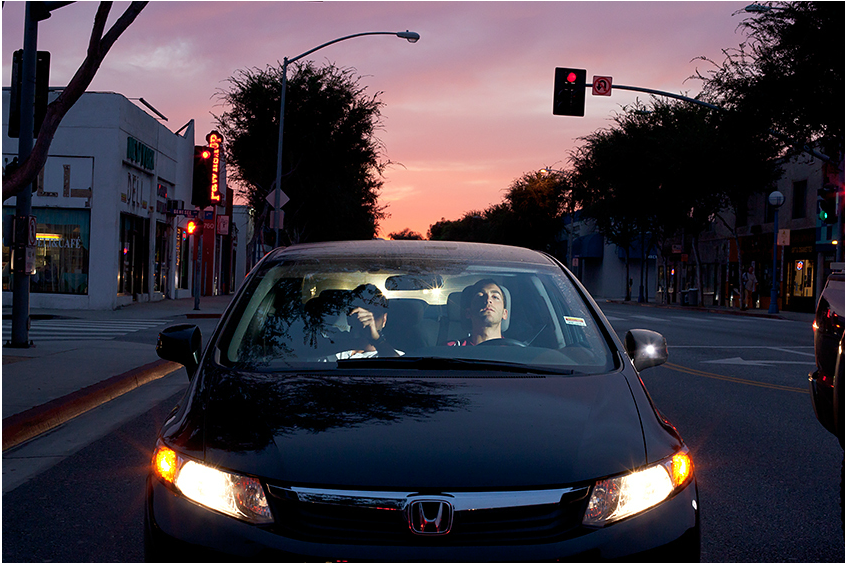
Many of us are daily commuters. From home to work or from home to school. By trains, subway or car. If you take the same route everyday for a couple of years you probably start recognizing some faces. Jonathan Castillo photographed people in their cars during a commute. The series’ called Car Culture. It makes for a pretty interesting series. By using available light and a strobe the subject is lit beautifully. Those faces staring away in the distance, being bored while waiting for the traffic light to turn green. An interesting way of street photography to capture those lost hours of our lives behind another car.

Jonathan Castillo’s website: www.jonmichealphoto.com

Read More

Switched Off

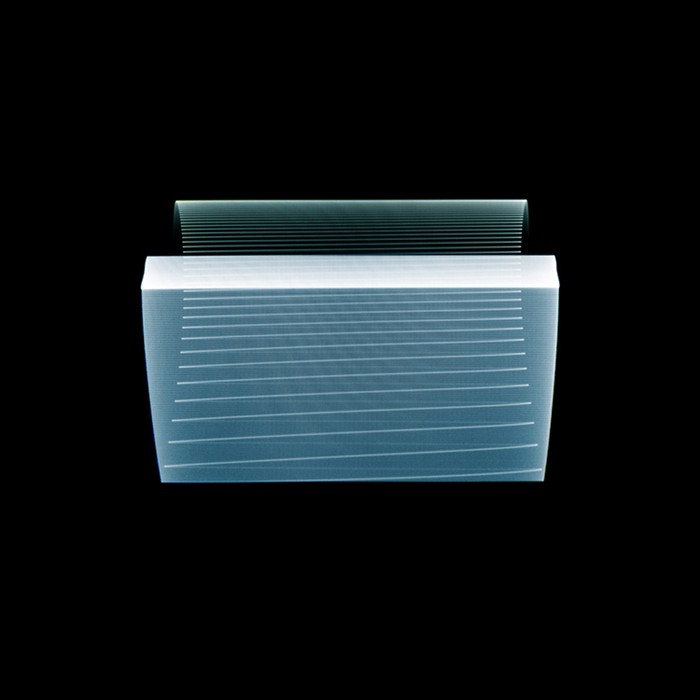
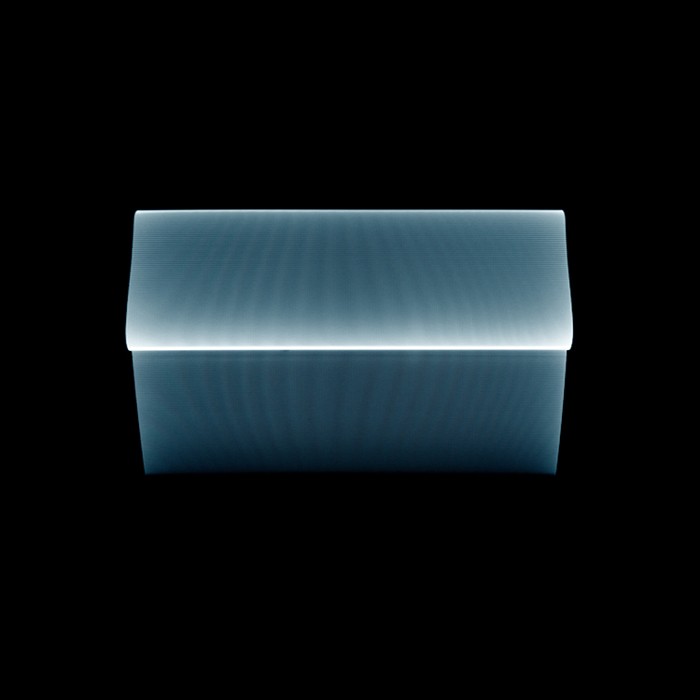
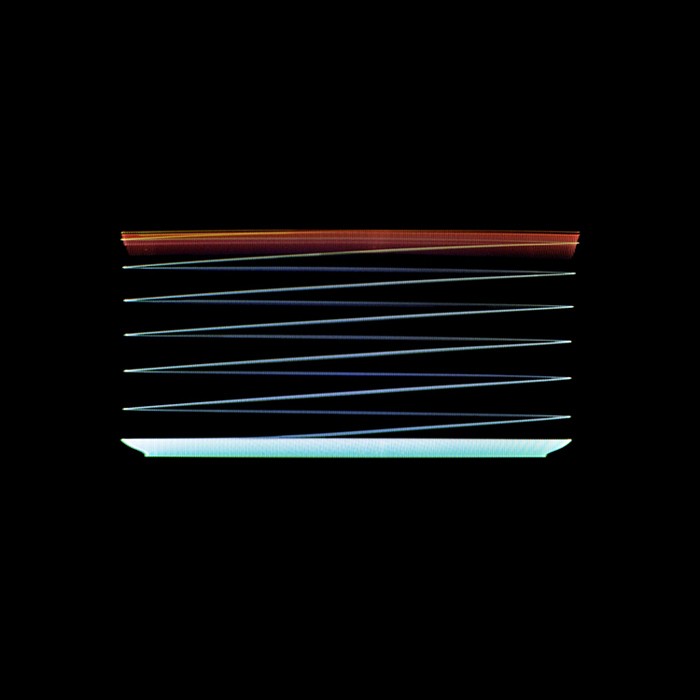
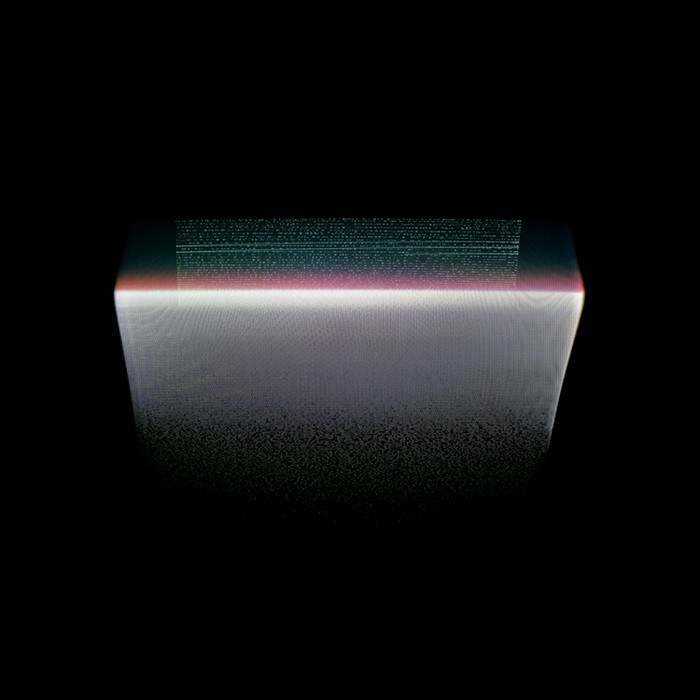
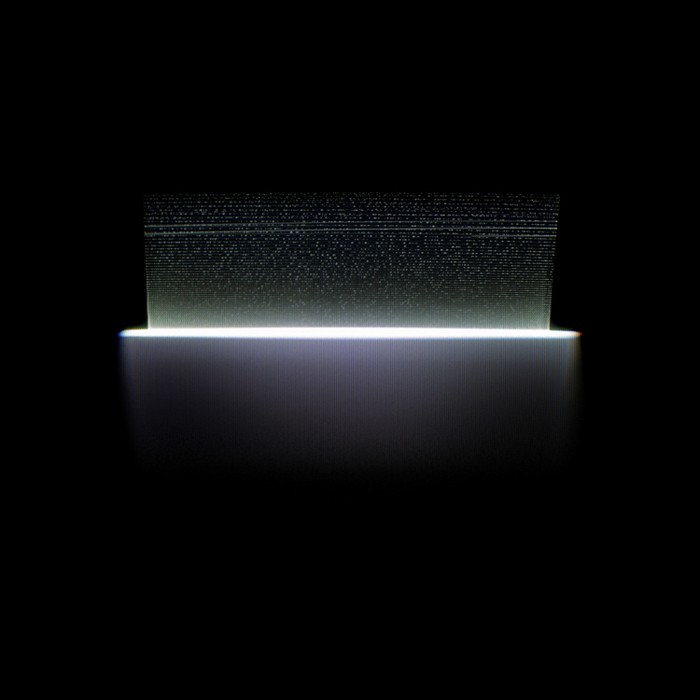
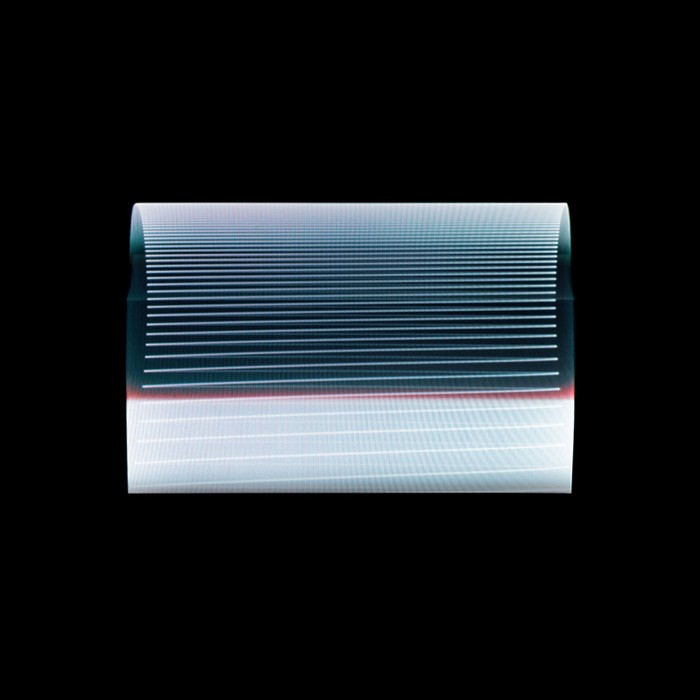
In the series Luminant Point Arrays Stephan Tillmans shows us abstract forms of something we don’t see that often anymore. A phenomena of light that was very common in the late 20th century. He pointed his camera at different old tube televisions. The variation of abstractions we see in his work come about when a television is switched off. Due to the duration of the on-time of each television we see different hypnotic figures of light. Almost dancing in front of us. But only for a second. Stephan has captured these figures and made it into art.

Stephan Tillmans’ website: stephantillmans.com

Read More