Capturing Time Pinhole-style by Matthew Allred

Schermafbeelding 2013-02-18 om 15.39.19

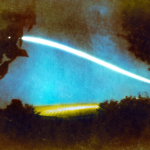
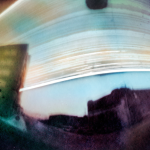
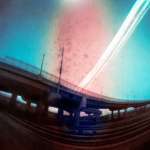
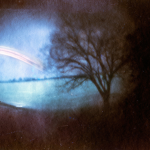
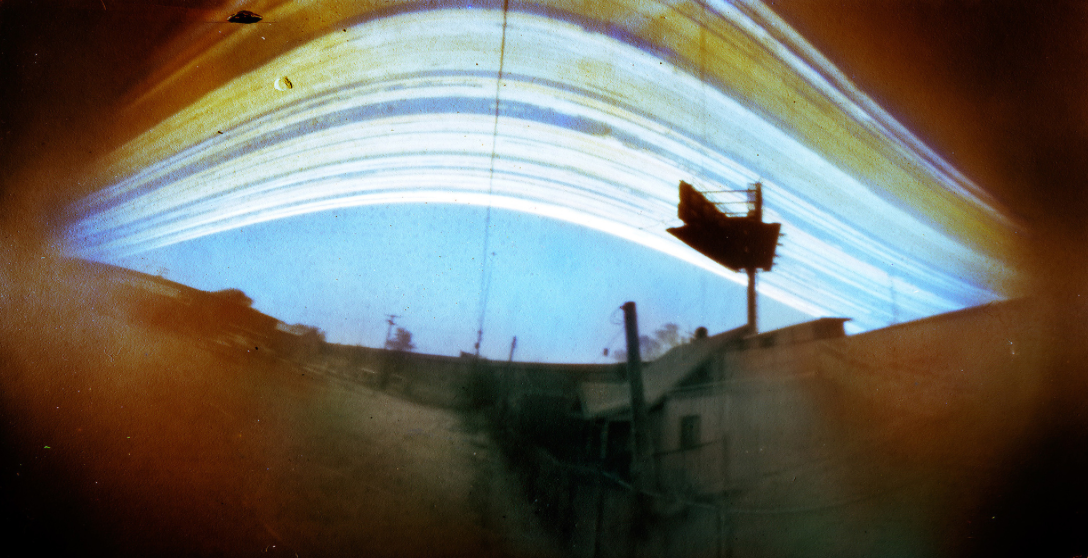
The origin of it all. Pinhole cameras are the most simple cameras you can find. Or make. Just a tiny hole and a dark box with a film inside. Or like the old painters did, just trace the image that appears with paint and whalla you have a realistic image of reality.

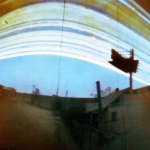
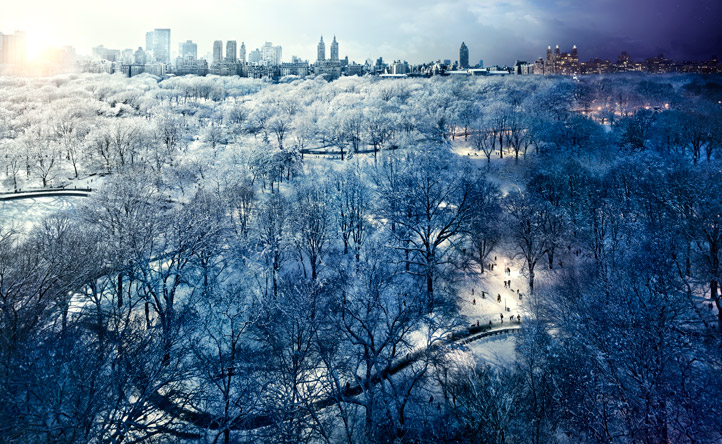
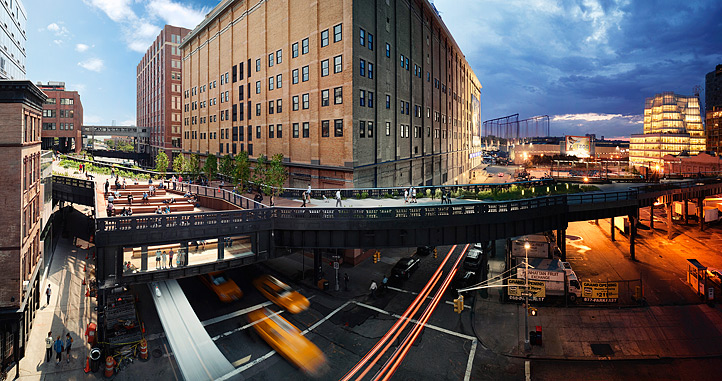
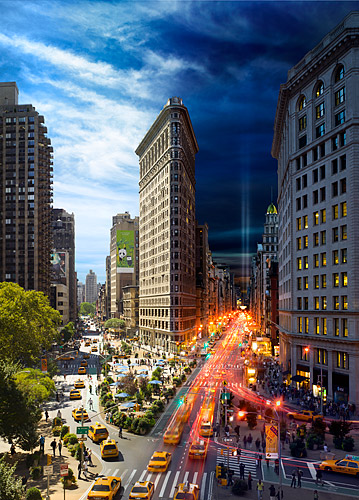
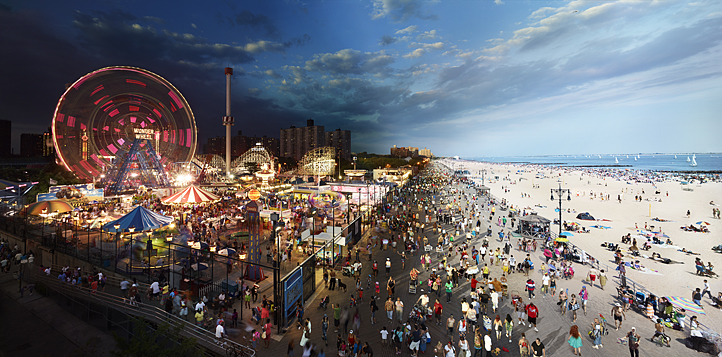
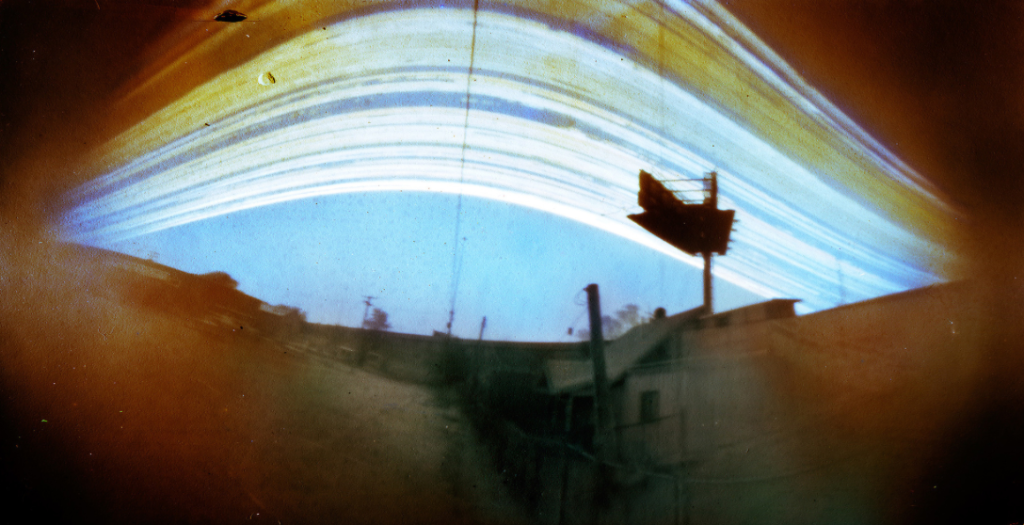
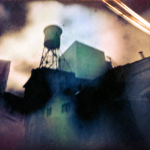
Depending on the process used the exposure time can differ from just a couple of seconds up to months. Yes, months. Matthew Allred is a photographer who uses a pinhole to capture amazing landscapes. By using the process called Heliography he sets out to create wonderful photographs. The exposures he uses are long. Long enough to track the path of the sun. In one photograph he tracks time like no modern camera can.

Matthew Allred’s website: www.matthewallred.com
Read More

Absurd Structures by Filip Dujardin

The-Highlight-Gallery-in-San-Francisco-presents-dis-location-by-Filip-Dujardin-yatzer-8

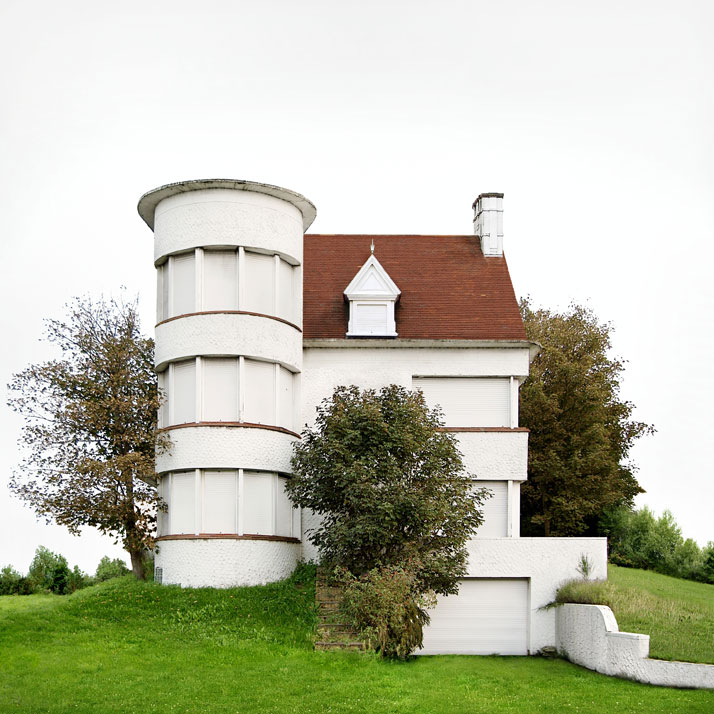
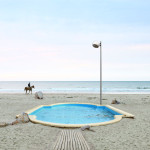
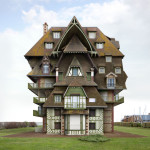
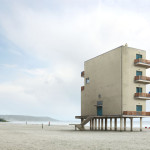
If you still think photography has something to do with depicting reality, you really should look at Filip Dujardin’s project (Dis)location. In this series he explores the concept of absurd structures. We all know that models in magazines are manipulated to become more suiting and perfect. Well Filip manages to become an architect who is not bothered by laws, both building as physics. Perhaps he got bored photographing buildings which seem too normal, being an architectural photographer.

In the series he used photographs of buildings in Deauville, France and Guimaraes, Portugal. These photo manipulations are almost an homage to surrealism. And have a strong link to certain types of architecture. The color and softness in the photographs makes that surreal feeling even stronger. This could well have been buildings designed by Disney’s Pixar.

Filip Dujardin’s website: www.filipdujardin.be

EDIT: The main picture and the first and third ones below the article are not from (dis)location but from his previous series, Fictions. You can find more information on Highlight Gallery’s page http://highlightgallery.com/ex… The exhibition will be on until March 29 at Highlight in San Francisco.

Read More

Dark and Intimidating by Jonathan Andrew

5

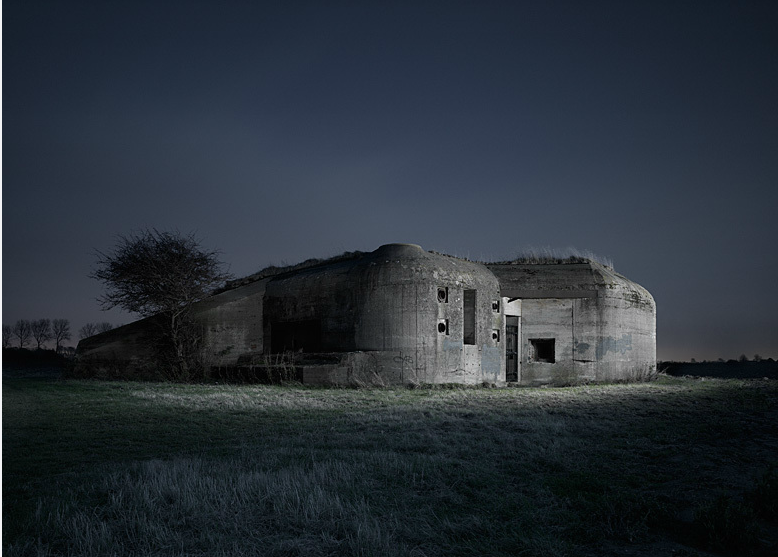
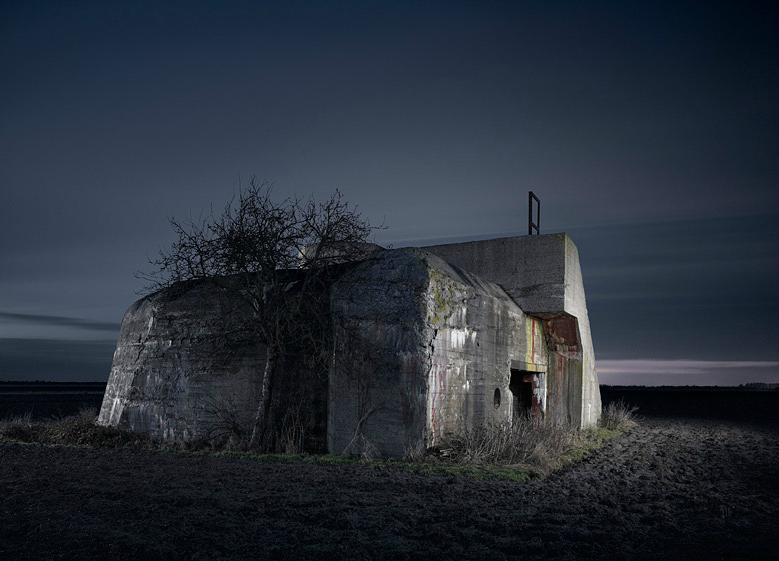
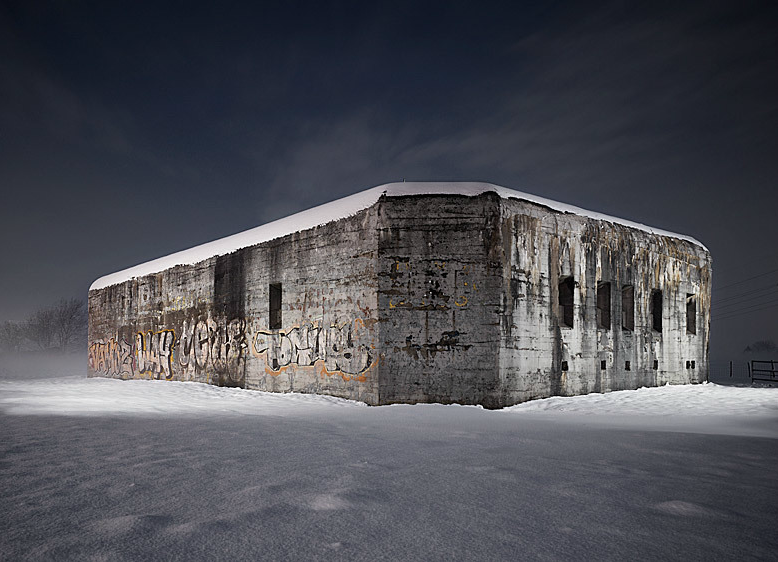
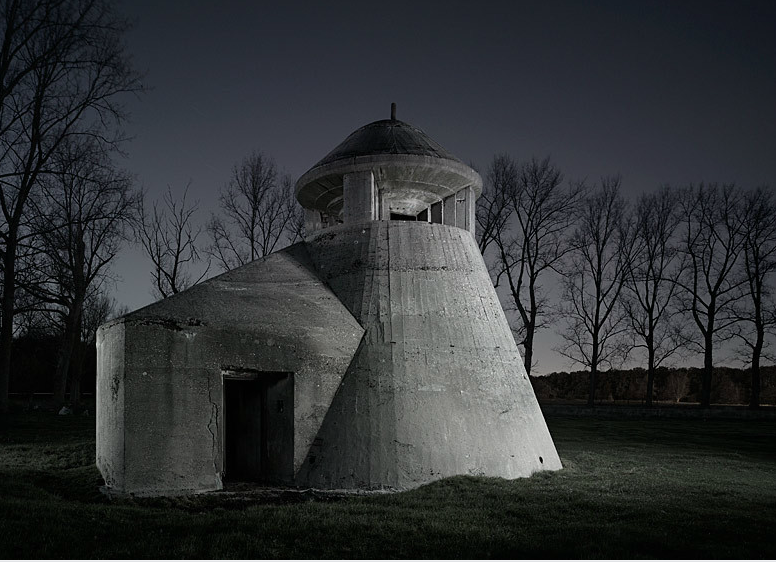
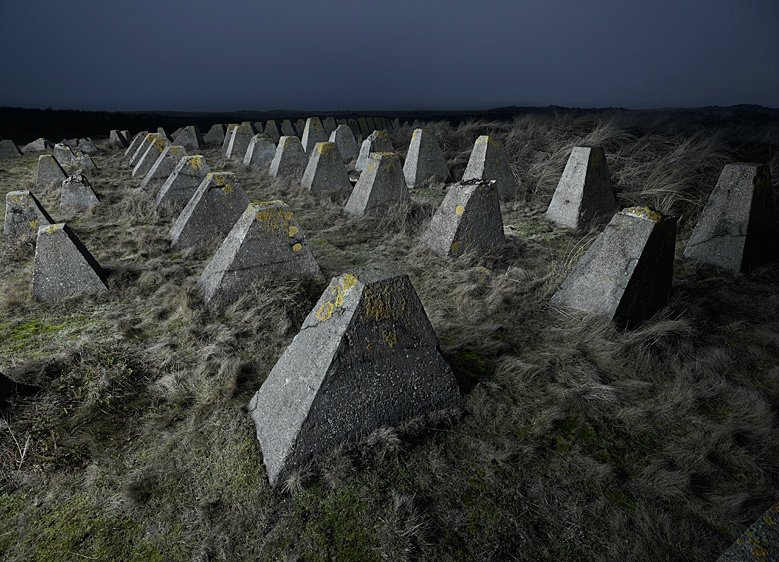
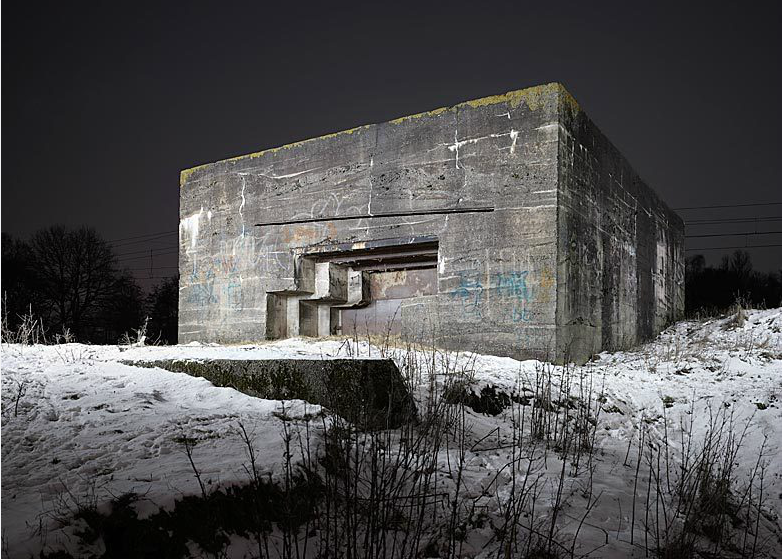
Photographer Jonathan Andrew set out to photograph some of the concrete residues of World War II. Bunkers. These bunkers are scattered around the Netherlands and other places in Europe. His long exposure photos deliver an impact that somehow suits the time period in which the bunkers where used. Dark and intimidating. Almost like the feeling one would have when being at war. A great reminder that Europe has been free of war for almost 70 years. If you look around in the world at other continents, one can’t say the same. Let use Jonathan’s work as a reminder and as an inspiration for great photography.

Jonathan Andrew’s website: www.jonathanandrewphotography.com
 

Read More

The Contrast in Being

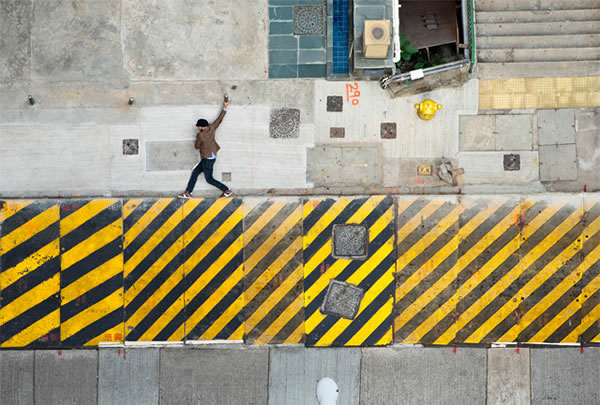
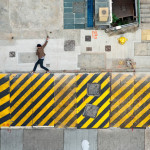
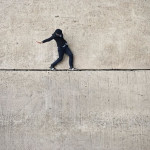
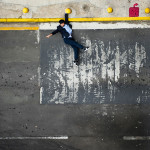
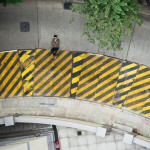
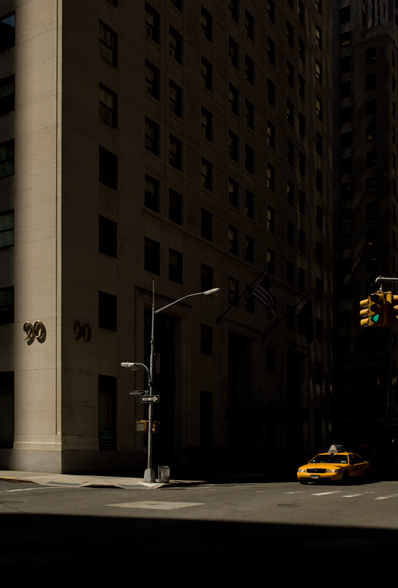
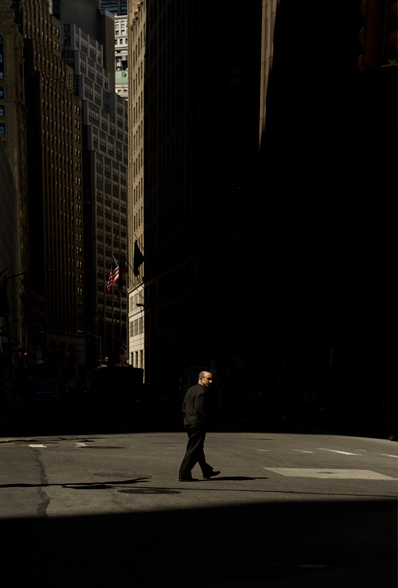
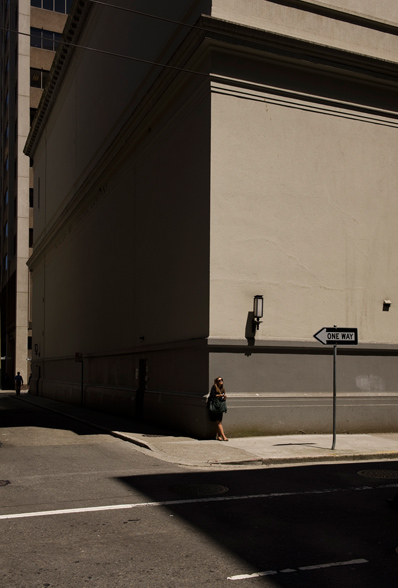
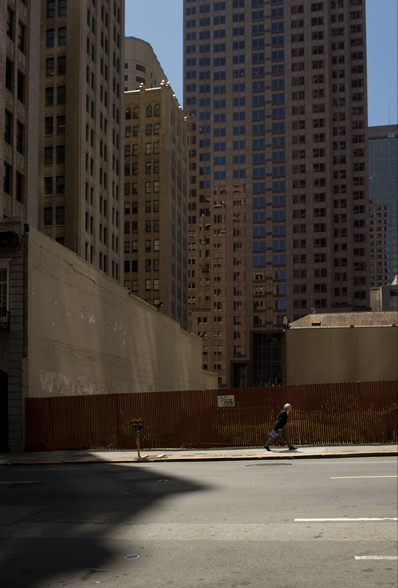
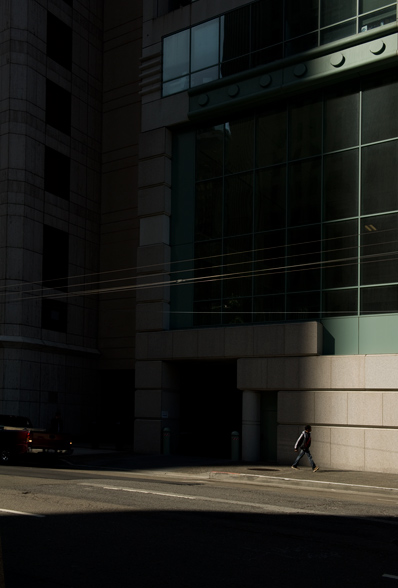
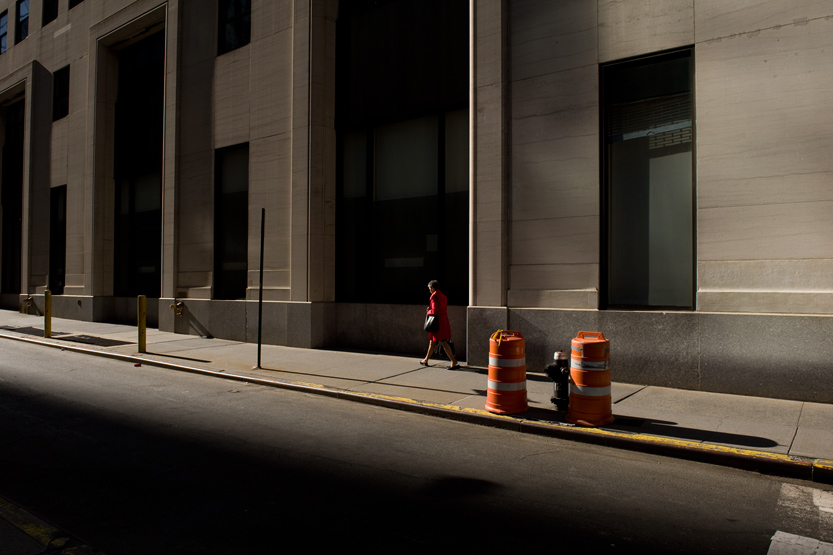
The following series reminded me of a line from the song Empire State of Mind by Jay-Z: “…concrete jungle where dreams are made of…”. But this concrete jungle seems to overtake and isolate it’s creator. Let alone its dreams. The human beings stuck in between the dream and the reality. This wonderful photo series shot by Dutch photographer Job Jonathan Schlingemann gives us a glimpse into this contradicting world.  A world between beautiful geometrical shapes of the sky scraping buildings and the tiny, seemingly insignificant but nonetheless driven, people who walk among them. The artist is fascinated by the contrasts he sees:

I am fascinated by this business districts with all its concrete and geometric shapes and in between those huge buildings, the human being. This human being seems driven by a purpose; his function in this world. He seems isolated. The contrast between those two sometimes seems almost poetic.

The photographs are beautifully lit. The photographer really knows how to find that perfect moment to share his fascination. The light and the colors are just marvelous.

Job Jonathan Schlingemann’s website: www.splinter.tv

Read More

The World is Black and White

One way to approach photography could be using the Zone-System invented by Ansel Adams. When using this system one makes sure that the intended dynamic range is well-lit in your photograph. By using initially 10 steps from black to white the contrast of the image will look natural and all intended will be visible. A famous photograph of Adams was that of a small town shot by night, lit only by the moon.

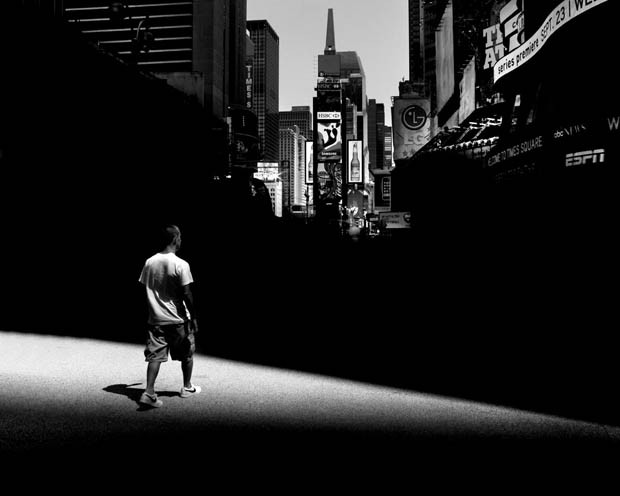
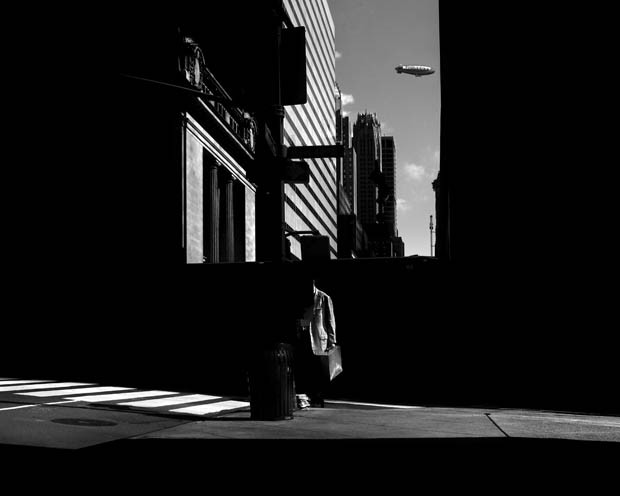
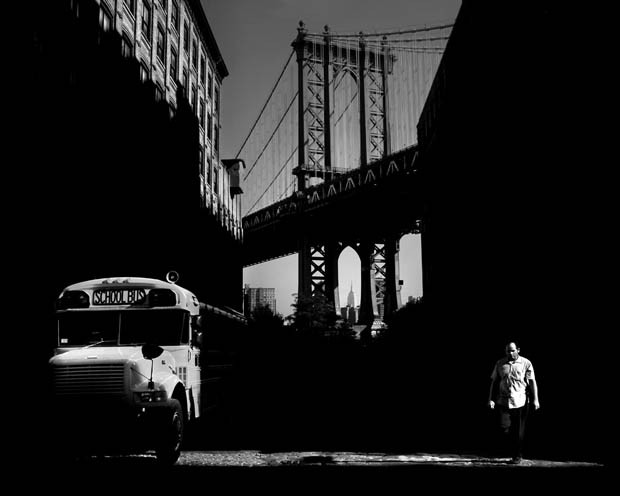
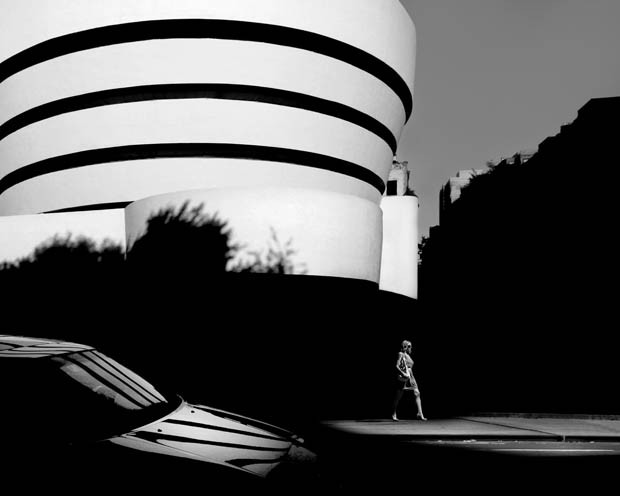
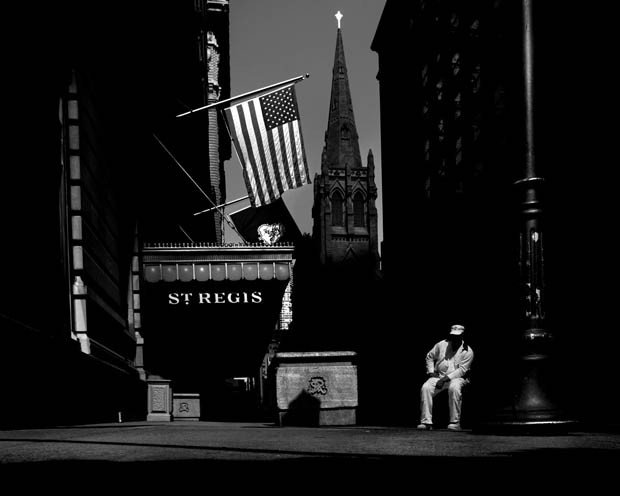
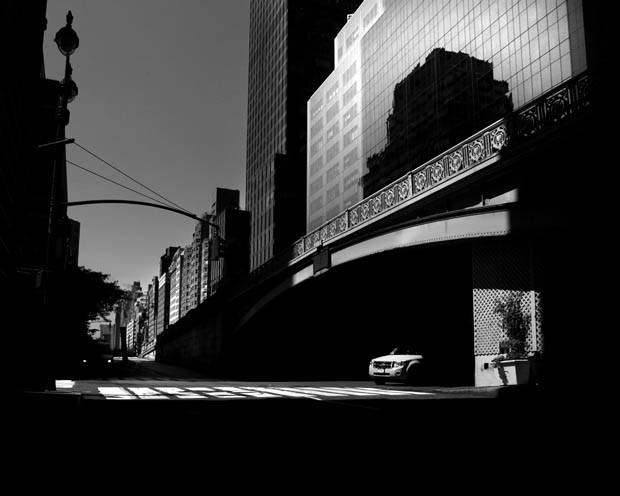
Of course Ansel Adams’ work is wonderful and unique in its kind but it leaves not much to the imagination. But by blacking out areas in a photo, you can create a story and a tension that can only be filled in by the viewer. And that is exactly what Gabrielle Croppi did in his series Metaphysics of an Urban Landscape. In a way Gabrielle uses a 3 zone system. Using only black, gray and white he composes images with a high contrast. Images which are very open for interpretation. His high contrast photographs makes the usual suspects when it comes to recognizable landmarks into something that could have come straight out of a Hollywood film. Scenes loaded with drama. Scenes that reminds me of the works by the great American painter Edward Hopper.

Gabriel Croppi’s website: www.gabrielecroppi.com

Read More