The Way We Move

A big hit today on the web is the Graphics Interchange Format (GIF). Introduced by CompuServe in 1987, GIFs allows movement to perhaps otherwise boring images. I see you think, how are GIFs photography related? Well in a way GIFs finds its origin way back in the 1800s. The early days of photography.

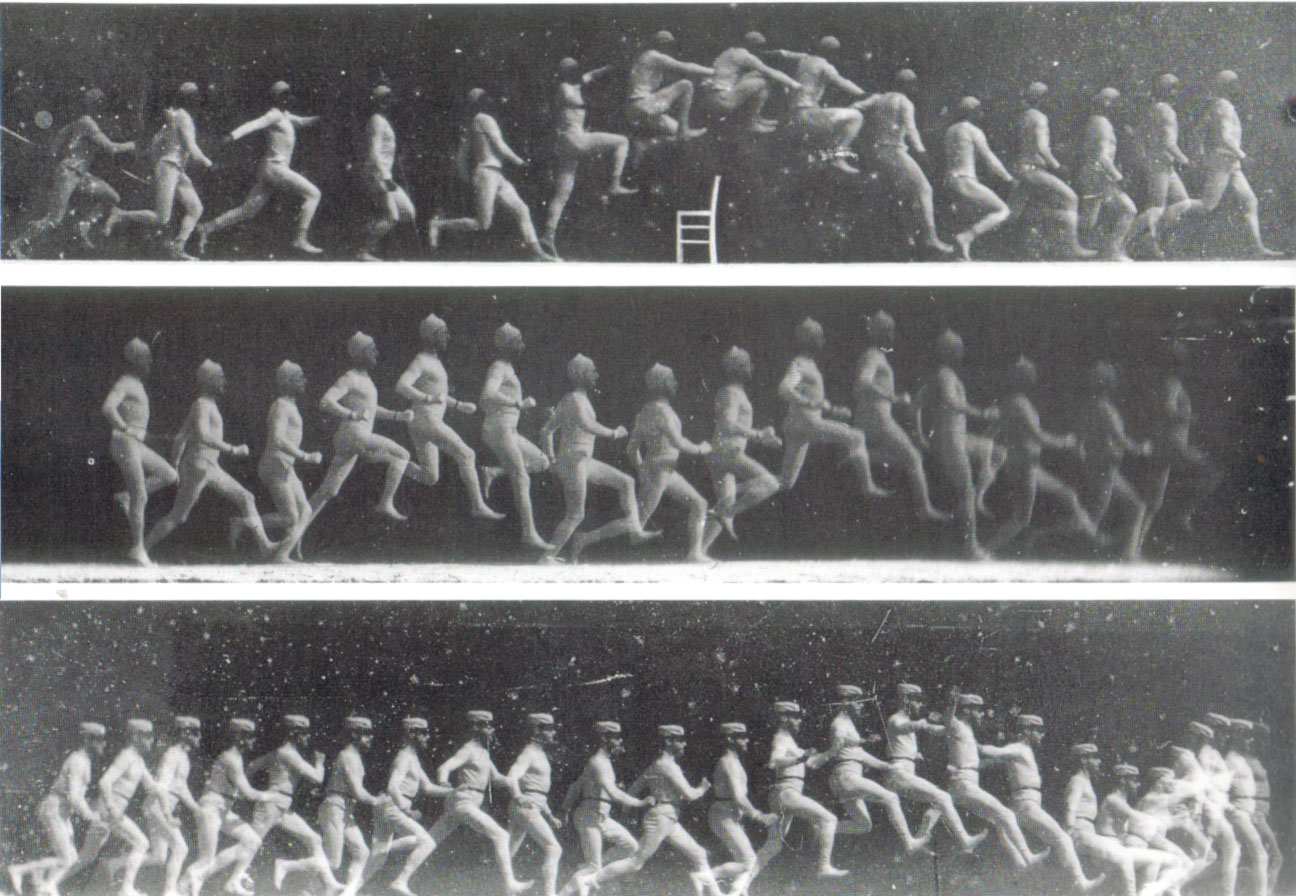
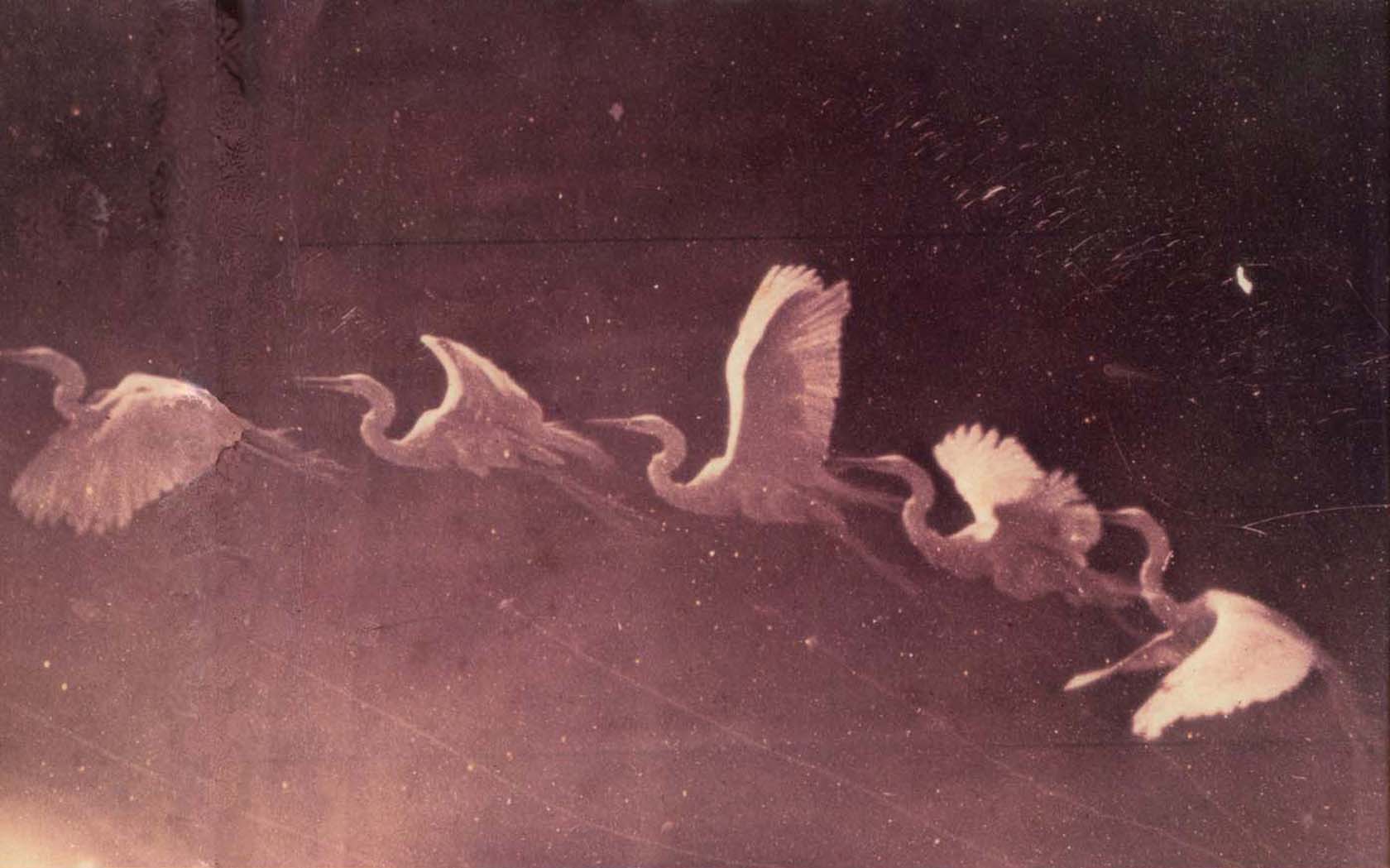
Étienne-Jules Marey was a pioneer in the field of photography. As a scientist and physiologist he became fascinated in the movement of the body and that of air. He started to research flying animals. He had the brilliant idea of capturing a flying animal on one photographic surface. He adopted and further developed animated photography into a separate field of chronophotography in the 1880s.

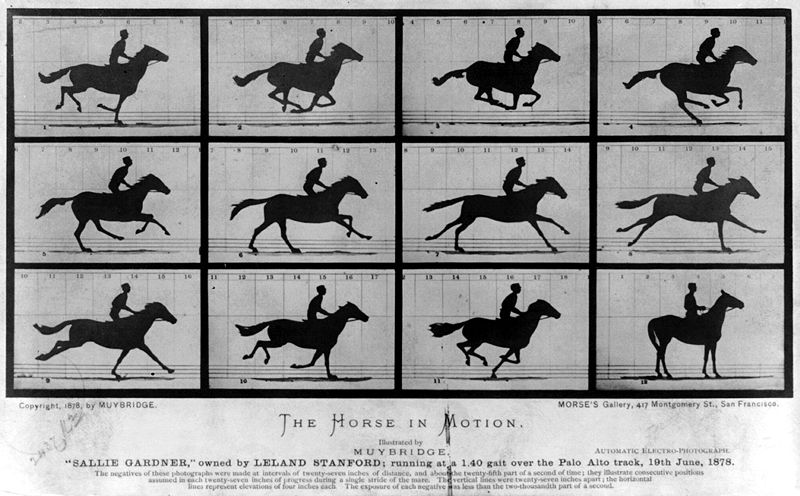
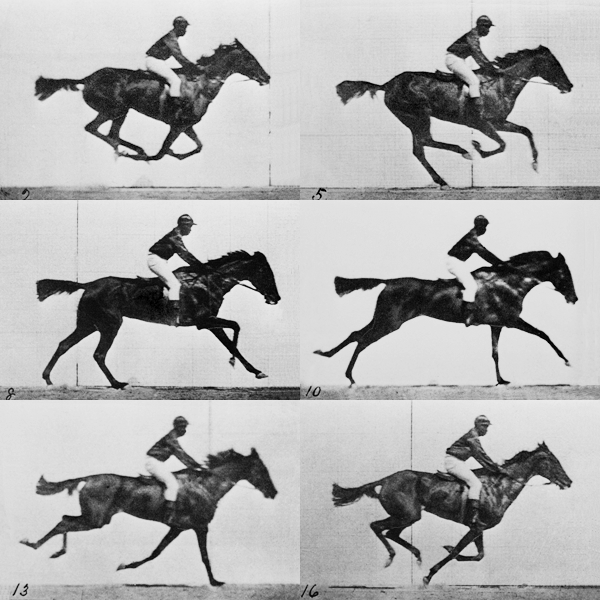
Around the same time a popular debate in the USA was about the movement of horses. People wanted to know whether all four hooves of a horse were off the ground at the same time while trotting or galloping. Eadweard Muybridge, allegedly inspired and influenced by the works of Étienne-Jules Marey, was asked to settle the debate by using his photographic skills.

To study the gallop, Muybridge planned to take a series of photos on June 19, 1878 at Stanford’s Palo Alto Stock Farm. He placed numerous large glass-plate cameras in a line along the edge of the track; the shutter of each was triggered by a thread as the horse passed. (In later studies he used a clockwork device to set off the shutters and capture the images.) He copied the images in the form of silhouettes onto a disc to be viewed in a machine he had invented, which he called a zoopraxiscope. This device was later regarded as an early movie projector, and the process as an intermediate stage toward motion pictures or cinematography.
(source: Wikipedi
a)

So there you have it. The invention of photography kickstarted the understanding of movement, the movie industry, animations and GIFs.
UPDATE
I came across this video by coincidence today (4/13). I thought I would share it with you. Since it fits so perfectly in this post about Muybridge. It is a movie from 1965.
 

Read More

Junk Development

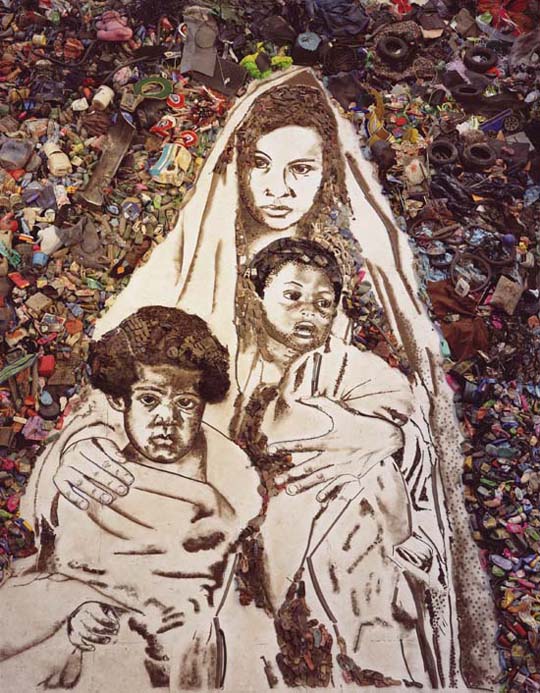
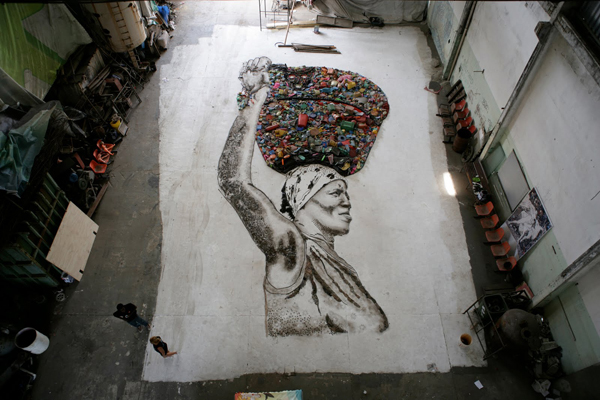
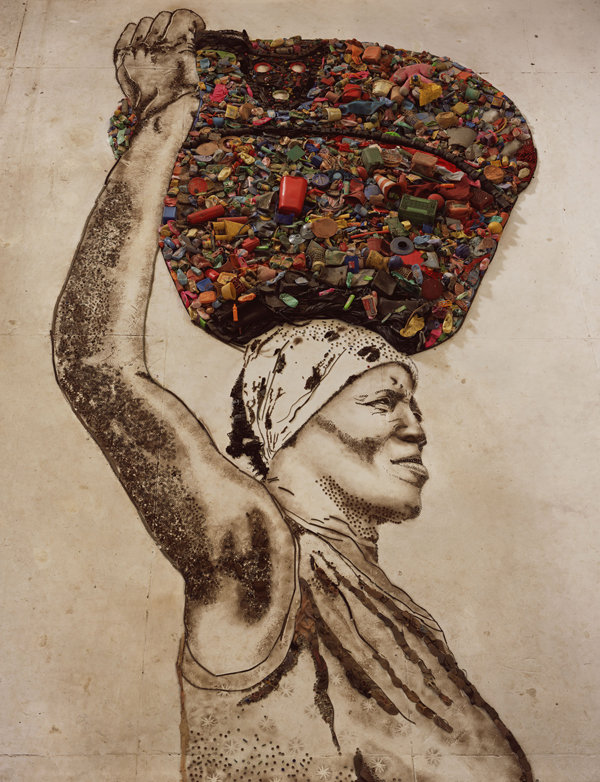
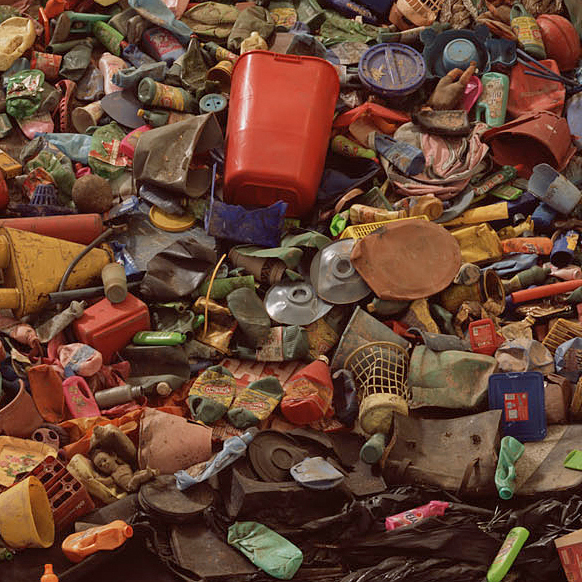
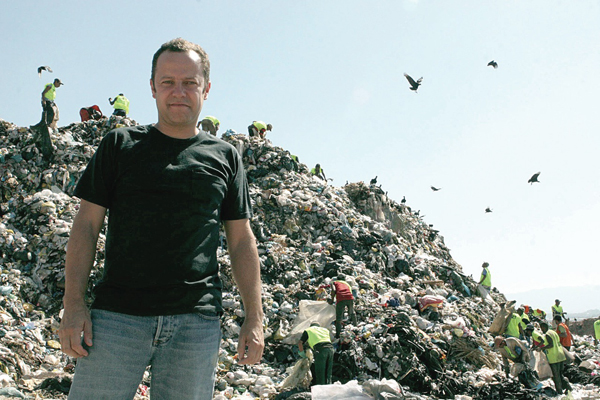
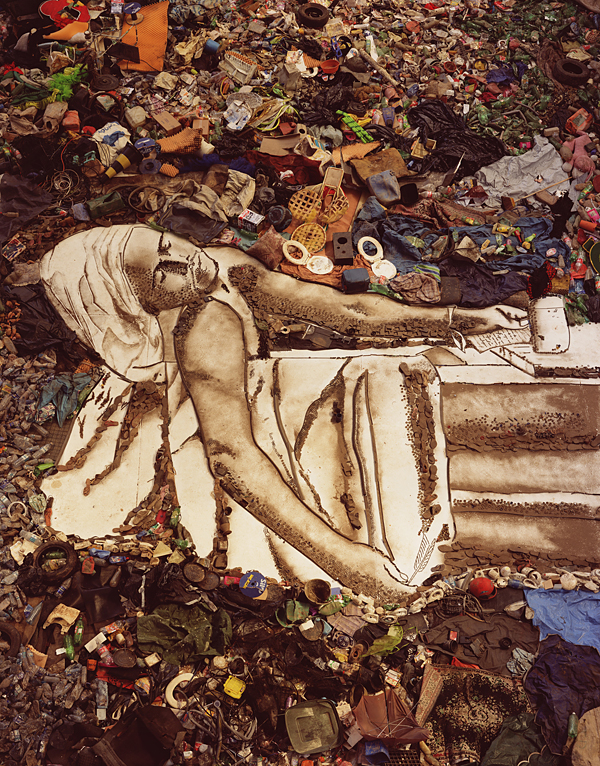
To develop an image one can use different techniques. Especially when photographing analog. And usually the end result is presented on paper. But Brazilian artist Vicente Jose de Oliveria Muniz, also known as Vik Muniz, takes a different approach. In his series “Pictures of Garbage” he uses, well its in the name, garbage.

In this series he is portraying the garbage pickers of Jardim Gramacho, a 321-acre open-air dump just outside Rio that is one of the largest landfills in Latin America. In the wonderful documentary “Waste Land” we follow him during this project. In it we see the lives of the portrayed garbage pickers. We see what it means to have a job at such a landfill. We see how proud people are for the work that they do. And Vik Muniz brings it all together in those wonderful portraits. The story, the people and the proudness. Luckily for us, Vic did also developed the portraits on paper. It makes the exposure for this project some what easier.

Read More

Documenting the ordinary

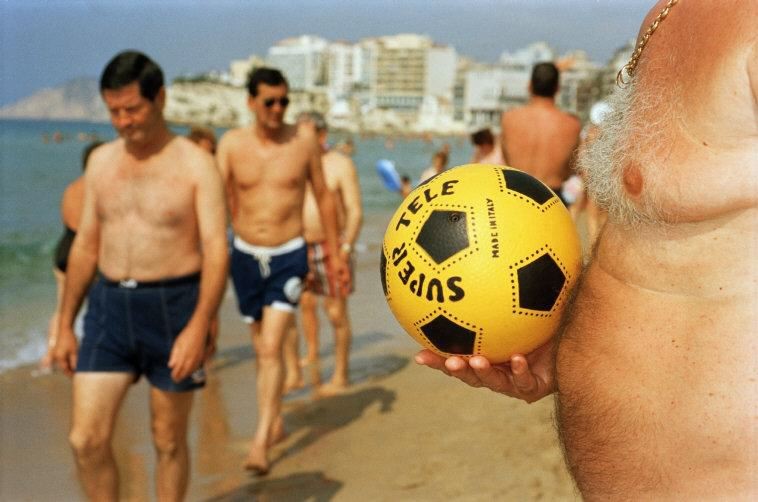
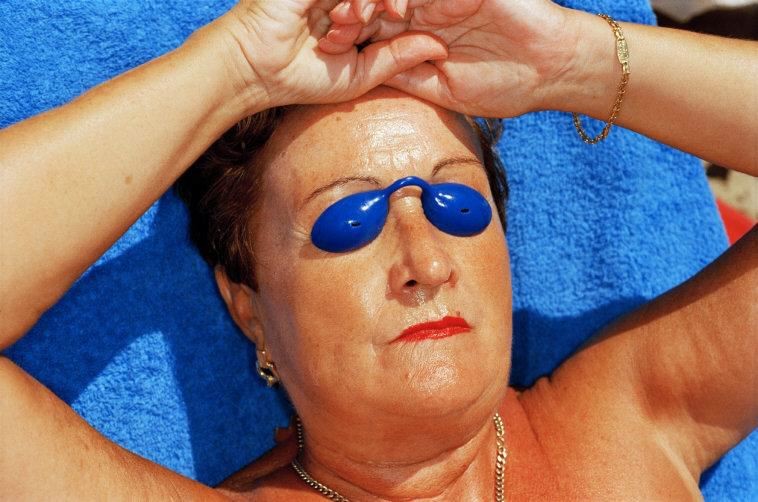
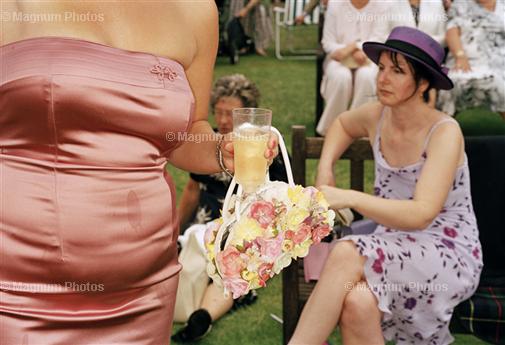
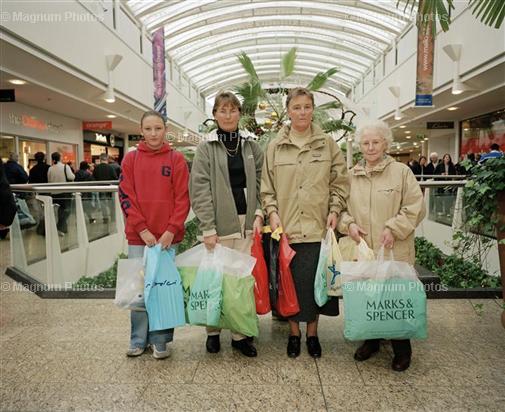
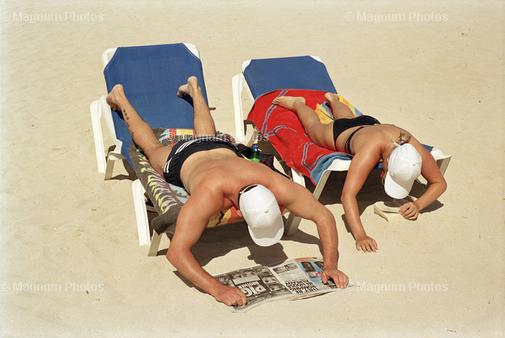
Magnum photographer Martin Parr documents the ordinary and extraordinary. He considers himself to be a documentary photographer. And documenting he does. The way we ‘normally’ would label documentary photography is when the subject is that of war, hunger or poverty. Martin Parr gives us quite the opposite. He directs his camera upon the rich western social life.

His work looks like point and shoot photography. Of the normal things we encounter day by day. Like supermarkets, fast food and our fashion style at the beach. But the way he constructs an image makes us giggle and laugh at the weirdness that we all can relate to. He manages to come very close to the subject, almost always using a wide-angle lens. And by using the flash (often a ring flash) his photographs get that signature look. The look of something very colorful that shows us a raw or weird view of the way some of us behave or dresses at for example the beach. When I look at his work I get a cheap feeling of the richness we all enjoy in the west.

Read More

Encounters of the tribal kind

Twitter, Facebook, tablets and smartphones. Just a couple of our twenty-first centuries’ perks that make our lives a bit more easy and fun.  These manmade inventions are examples that we as westerners are moving away from nature. Step by step.

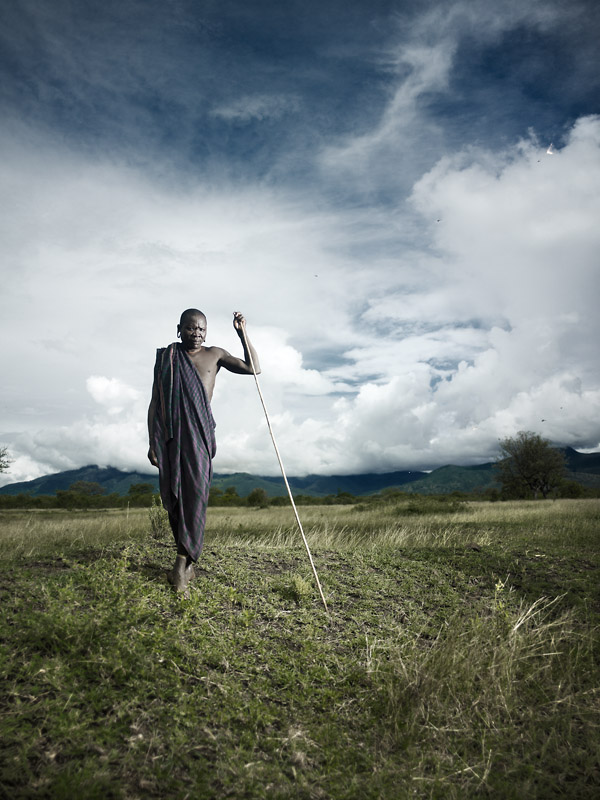
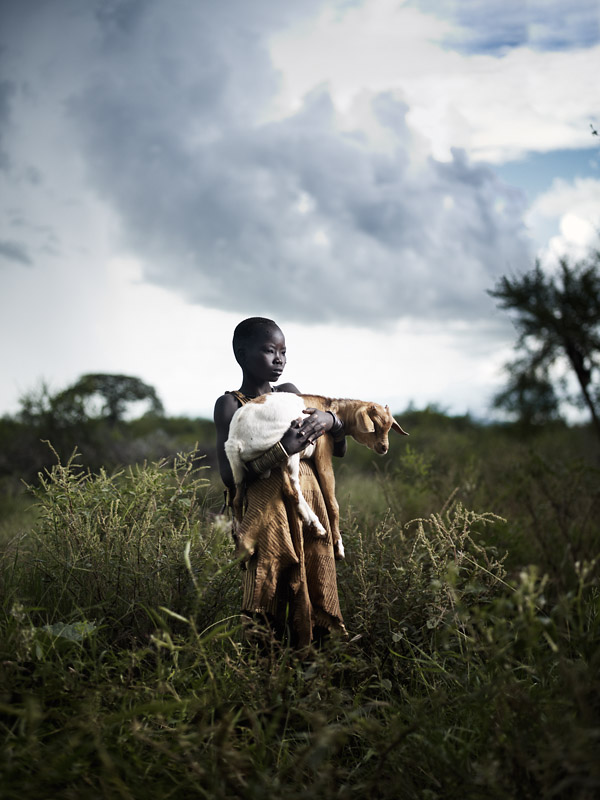
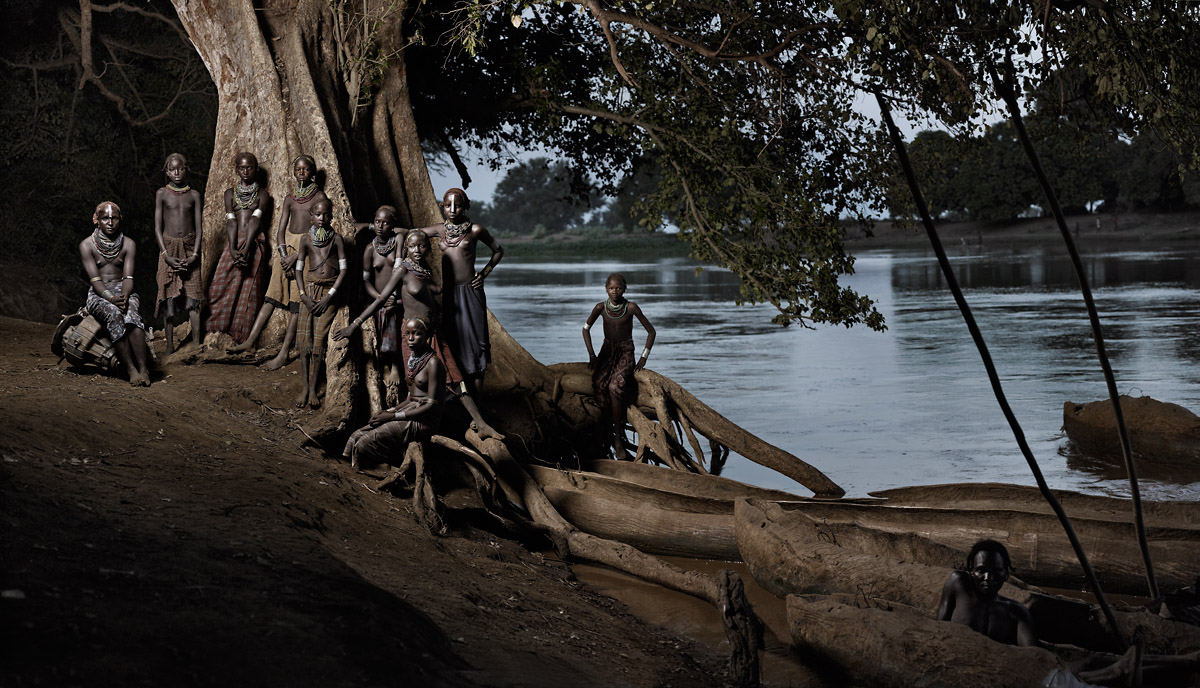
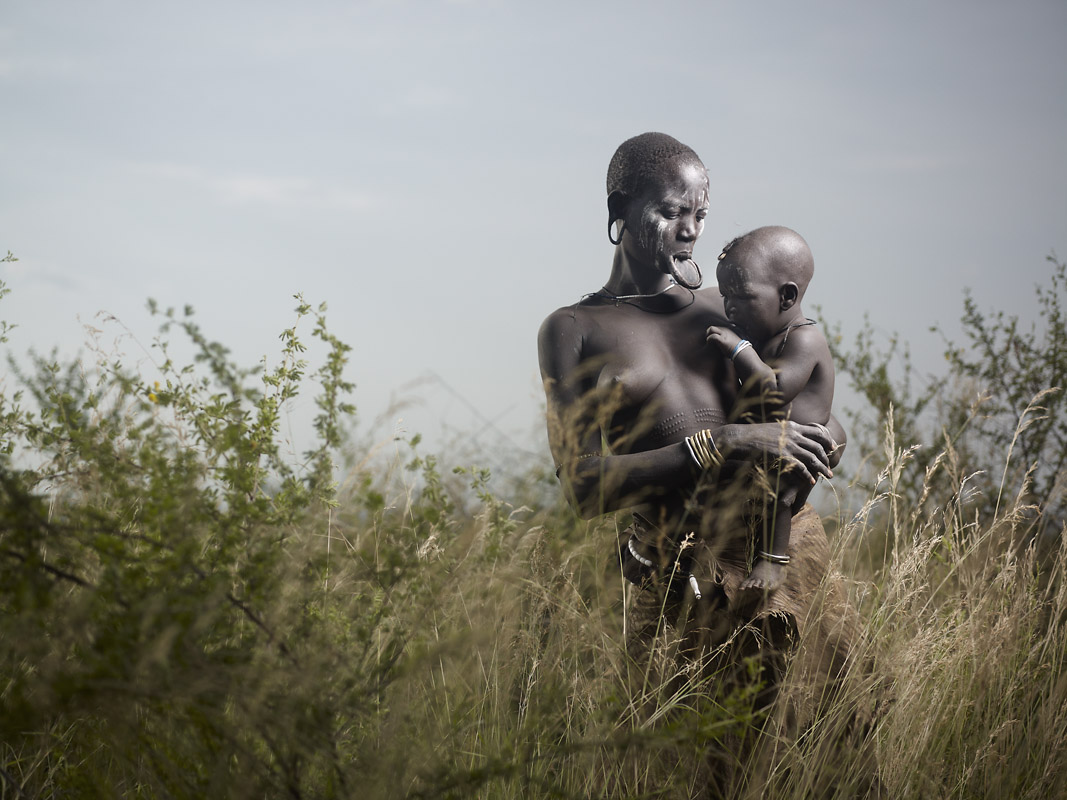
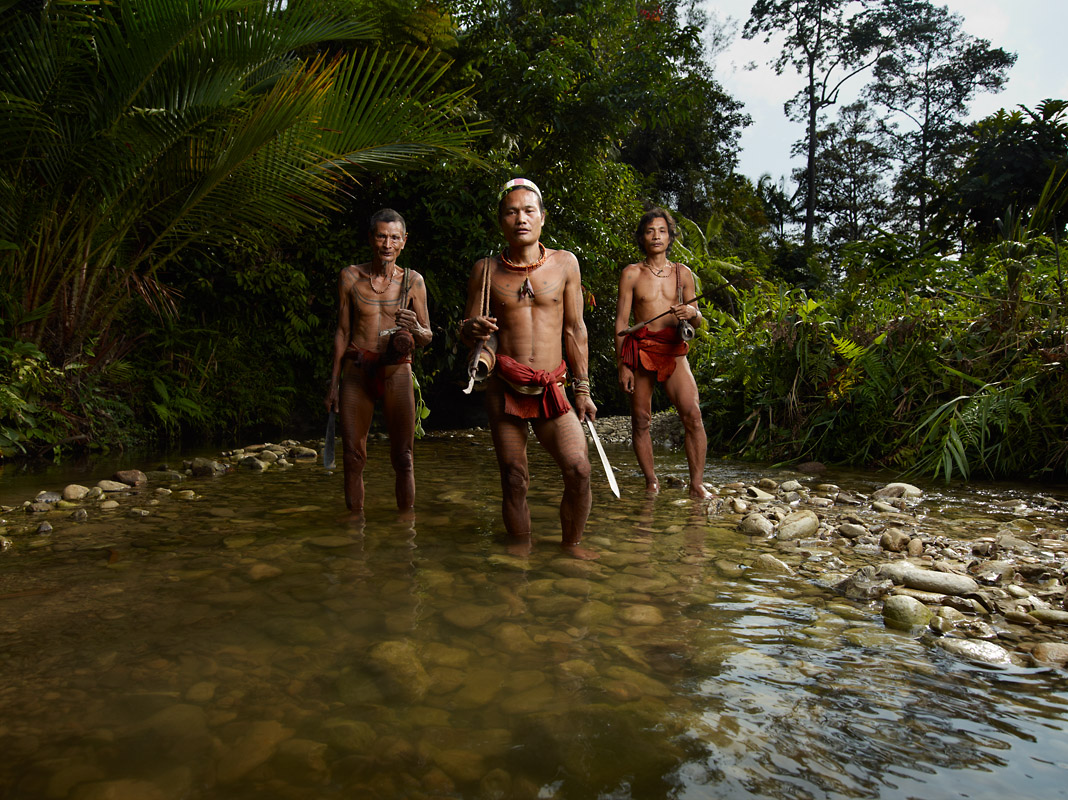
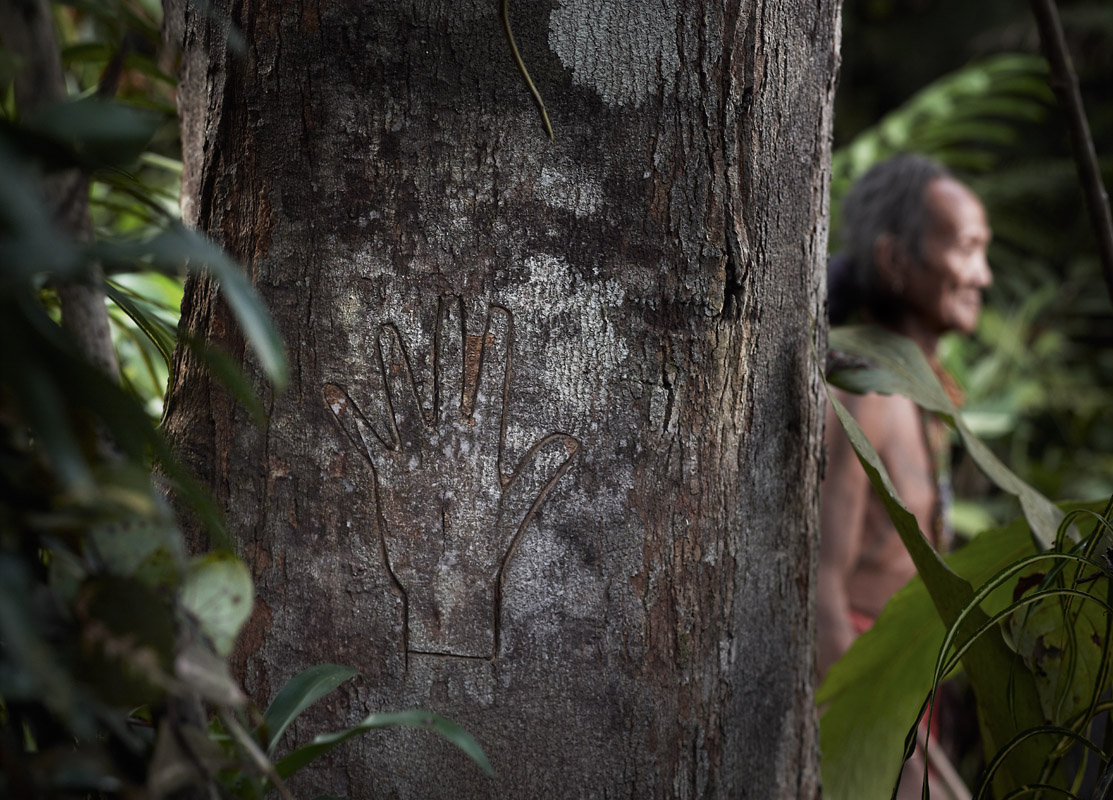
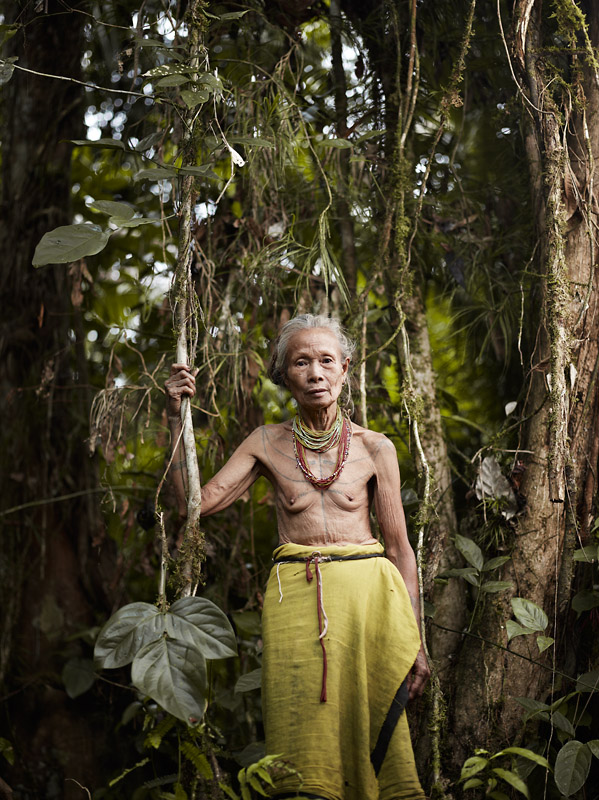
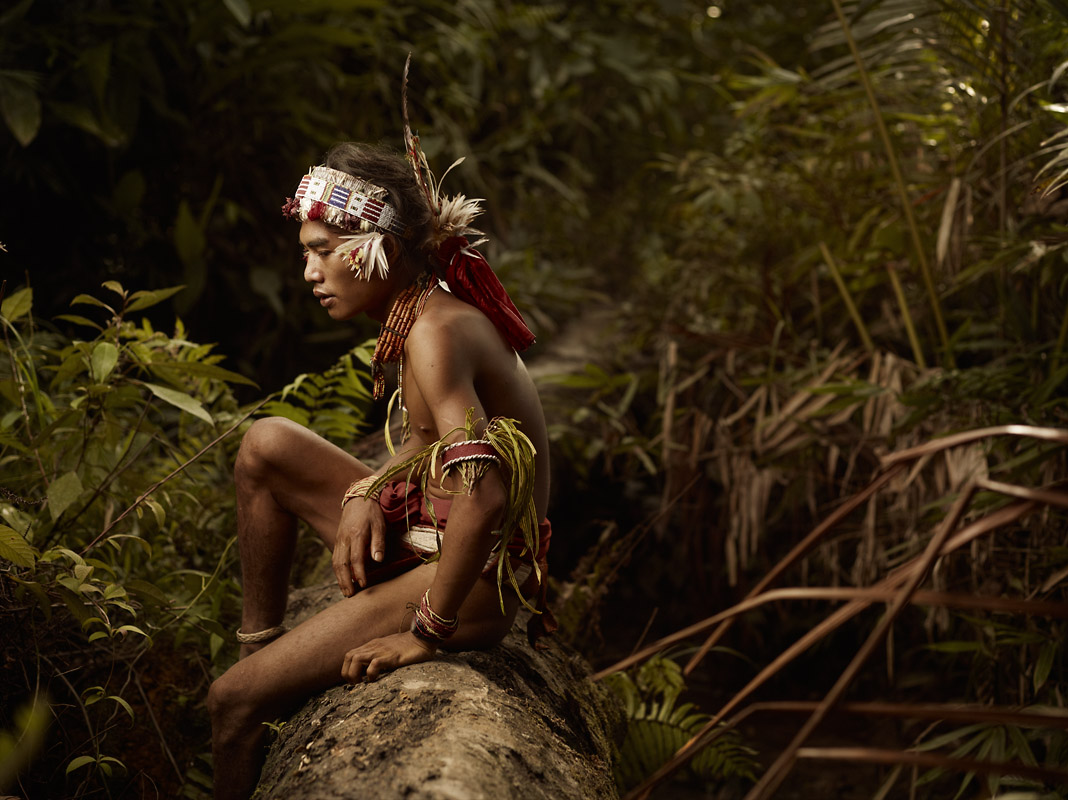
But some of our fellow worldly residents stay closer to nature. They understand mother earth as no other. Small tribes in the jungles of Africa and South America still stay true to their heritage. Joey Lawrence traveled to these tribes and captured them beautifully. By using our modern techniques (medium format camera and strobes) we get a look into their distant world. As distant as our world is to them.

Read More